

 15 hours ago
4
15 hours ago
4
ARTICLE AD BOX
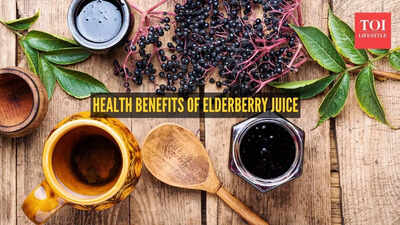
Abandoned remedies usually fade into folklore, but elderberry never quite disappeared. It survived the centuries because people kept reaching for it whenever cold season hit, swearing it soothed sore throats, settled fevers, and somehow made the body feel less defeated.
Today, science hasn’t crowned it a miracle cure,but it has started to explain why this deep-purple juice keeps earning its place in wellness conversations. Elderberry isn’t magic; it’s chemistry, immune signaling, and antioxidant force packed into a deceptively tart sip.
It may shorten the duration of colds and flu
Elderberry’s biggest reputation, helping you bounce back faster, has scientific backing. Its bioactive compounds appear to interfere with viral entry and replication, especially in upper-respiratory infections. A research published in Sage Journal found that adults with influenza who took elderberry extract recovered 4 days faster than those on placebo.
It supports the immune response, without overstimulating it
Elderberries contain anthocyanins that help regulate cytokine activity, not just boosting immunity but modulating it. This means elderberry may support better immune signaling when the body is fighting infections. In a lab study, elderberry extract increased inflammatory cytokines only in immune cells that needed activation, suggesting it assists rather than overstimulates.
It’s rich in antioxidants that protect against oxidative stress
The deep color of elderberry juice isn’t aesthetic, it’s chemistry. The pigments (anthocyanins) neutralize oxidative stress, which is linked to aging, chronic disease, and cellular damage. One comparative analysis found that elderberries have higher antioxidant capacity than blueberries, cranberries, or blackberries.
It may help lower cholesterol and improve heart health
Elderberry’s flavonoids appear to influence lipid metabolism, which can support cardiovascular function. While not a substitute for medical treatment, emerging research shows promising effects. A 2020 research showed that flavonoids help prevent plaque buildup, reduce blood clot formation, and fight the oxidative stress that drives cardiovascular disease.
It may help manage blood sugar levels
Elderberry may also support healthier blood sugar levels. Its polyphenols appear to influence how the body breaks down and absorbs carbohydrates, which can help prevent sharp spikes in glucose after meals. This idea is backed by animal research: in one study on diabetic rats, elderberry extracts helped lower fasting blood sugar, improved insulin sensitivity, and reduced insulin resistance, all key factors in better blood sugar control.
It may reduce inflammation naturally
Chronic inflammation sits behind many health issues, joint pain, metabolic disorders, aging, and more. Elderberry’s anti-inflammatory flavonoids help suppress inflammatory markers and oxidative pathways.Note: The information provided in this article is for educational purposes only and is not intended as medical advice. Always consult with a qualified healthcare professional before starting any new medication or treatment and before changing your diet or supplement regimen.









 English (US) ·