

 1 day ago
6
1 day ago
6
ARTICLE AD BOX
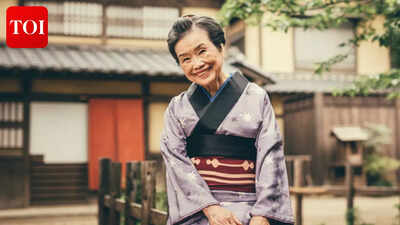
Discover Japan's secrets to a long, happy life, rooted in ancient wisdom. Practices like 'Hara Hachi Bu' (eating until 80% full) and finding 'Ikigai' (purpose) promote well-being. Embracing nature through 'Shinrin-yoku', mindful movement, relaxing 'Ofuro' baths, and sipping 'Sencha' green tea contribute to a healthier, more resilient lifestyle.
It’s no secret that Japan consistently ranks among the countries with the highest life expectancy in the world. This is no coincidence. While genetics and health care systems do play a role, the major contributor is something else: their way of living.
Japanese wellness is rooted in ancient wisdom, mindful habits, and deep cultural reverence. From matcha rituals to rice-water beauty treatments, many Japanese practices have already found their way into global routines. Let’s dig deeper and explore some Japanese secrets worth adopting to live a long and happy life.
Hara Hachi Bu
The Japanese population follows this 300-year-old dietary principle—Hara Hachi Bu. What does this mean? You stop eating when you feel about 80 percent full.
Yes, that’s right. Don’t fill up. As the stomach takes roughly 20 minutes to signal to the brain that it’s “full,” try to eat slowly. Put your spoon or chopsticks down between bites, chew thoroughly, and pace yourself. This principle prevents overeating. The idea is to eat mindfully.
Ikigai
Ikigai is a Japanese concept that translates roughly to “a reason to get up in the morning.” You heard it right. Having a purpose in life, regardless of how big or small it is, helps you live healthier and happier.
This clear sense of purpose is strongly linked to lower rates of stress and depression, and even better heart health. You don’t need over-the-top reasons. Something as simple as a hobby or something you care about will do.
Purpose fuels resilience.
Karada o Ugokasu
This Japanese phrase simply means “move the body.” Remember, humans are not designed to be glued to a seat. Movement is an essential part of life. This doesn’t mean spending hours in the gym or following an intense fitness regimen.
Something as simple as walking will do. Maybe dance your heart out. Or perhaps help your mom in the garden. All of these count as movement.
Shinrin-yoku
Shinrin-Yoku is a Japanese ritual that roughly translates to “forest bathing.” It is a simple practice of embracing nature. No, you’re not hiking for exercise, but to be in nature. Time spent outdoors can lower stress levels, improve immunity, and boost your mood. Perhaps take a simple walk among the trees or in a green space for at least 20 to 30 minutes.
Ofuro
Ofuro refers to the traditional Japanese bathtub. In the evenings, taking a bath has almost become a ritual in Japanese households. The idea is to enjoy a relaxing hot bath at the end of the day. The benefits? Your nervous system calms down, stress fades, and you’ll sleep like a baby.
Sencha
Sencha is a type of Japanese green tea. This tea is an integral part of daily life. From morning through evening, many Japanese people enjoy green tea instead of sugary beverages.
Rich in catechins, it helps protect the body against aging, improves skin health, and may reduce the risk of heart disease. It’s often sipped several times a day.
Zazen
Zazen is the heart of Japanese Sōtō Zen Buddhism. Think of it as a seated form of meditation. You don’t have to be an expert to practice it because Zazen is that simple. You sit quietly, without doing anything else. Stop dwelling on the past or worrying about the future, and simply be in the present moment. This 1,000-year-old tradition of mindfulness cultivates inner peace.







 English (US) ·