

 1 hour ago
7
1 hour ago
7
ARTICLE AD BOX
3 min readThiruvanananthapuramJun 22, 2026 05:40 AM IST
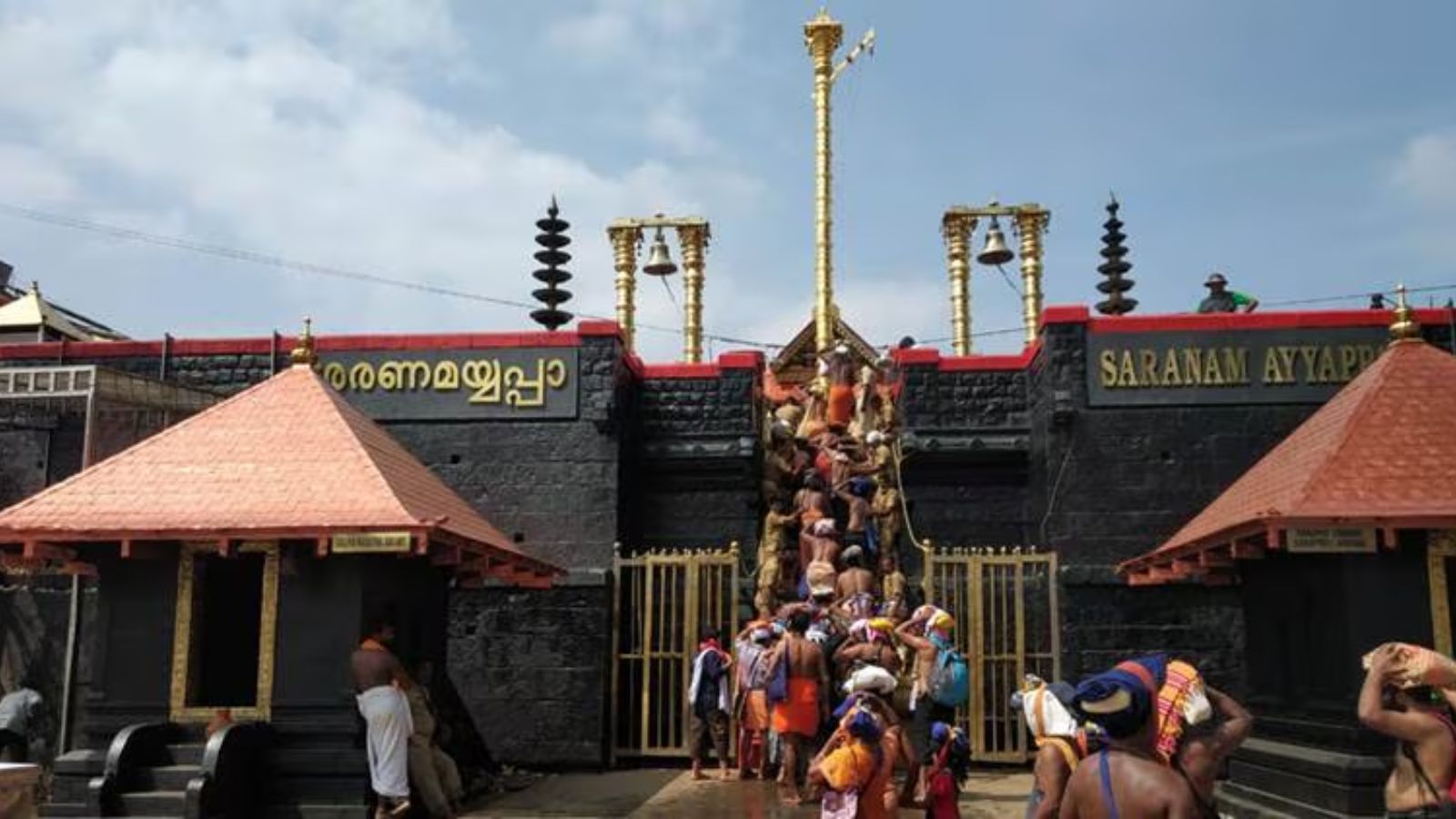 The pilgrimage season at the hill shrine will begin in the second week of November. Last year, the shrine, situated in Kerala’s Pathanamthitta district, witnessed a footfall of 51 lakh devotees.
The upcoming annual pilgrimage to the Sabarimala temple in Kerala could see the use of AI-based crowd management systems. The Travancore Devaswom Board (TDB), which manages the temple, and officers of the Kerala Police held a meeting with an expert committee on Saturday in this regard, officials said.
The pilgrimage season at the hill shrine will begin in the second week of November. Last year, the shrine, situated in Kerala’s Pathanamthitta district, witnessed a footfall of 51 lakh devotees.
Representatives of three AI firms from Delhi, Chennai and Mumbai briefed the expert committee, as well as senior TDB functionaries and police officers, about the proposal.
Pathanamthitta district police superintendent R Anand, who was tasked with preparing a report on the project, said AI technology would be used in Sabarimala in a phased manner for effective crowd management, coordination between various departments, and the safety of pilgrims.
‘Tailor made’
“AI-enabled crowd management has been effectively used in the Maha Kumbh Mela and other festivals with large gatherings. Sabarimala requires tailor-made AI solutions, considering that the temple is situated within a dense forest. We are planning to deploy the system in a phased manner in the coming season,” he said.
The SP said the AI-enabled crowd management system can offer solutions for a lot of issues in Sabarimala. “It will ensure safe and hassle-free darshan for the devotees; people who go missing at the shrine can be easily traced; and movement of pilgrims from 26 parking grounds can be managed without human intervention. This will also ease the heavy load on police personnel deployed at the shrine during the festival,” he said.
The AI-enabled crowd monitoring and management system will comprise AI cameras, drones and GIS mapping. Officials said that by analysing video feeds, the AI will predict crowd density, and the control room will be frequently alerted about the movement of the crowd. The system can also give forecasts about congestion. The real-time data will also help authorities solve issues without delay, officials said, adding that the men on duty at various centres will get instant alerts via digital devices.
Virtual queue
Story continues below this ad
At present, police have erected a virtual queue system for the pilgrims, who have to register online before their visit. They can select a day and time slot for the visit to the temple and have to report at the base station accordingly, before trekking to the shrine. However, pilgrims sometimes have to wait for several hours at various camps on the way to the temple as part of crowd control measures. The virtual queue system will continue even after the AI-enabled crowd management system is deployed, officials clarified.







 English (US) ·