

 1 week ago
7
1 week ago
7
ARTICLE AD BOX
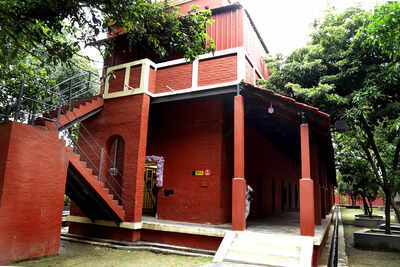
As Calcutta Times turns 25, we look at 25 places that have transformed over the past two-and-a-half decades. Alipore Museum is one of them - a colonial prison turned public history space that is steadily evolving into one of the city’s most layered cultural sites.What it was For most of its existence, the complex functioned not as a public institution but as a site of confinement. Established in 1906, it operated as a jail for over a century and remained a correctional home until 2019, reopening as a museum only in September 2022. “The transformation itself is an act of historical justice,” says museum director Jayanta Sengupta, noting that a space which once punished freedom fighters now honours them.
The prison once held figures such as Subhas Chandra Bose, Jawaharlal Nehru, Maulana Abul Kalam Azad, Chittaranjan Das and Kazi Nazrul Islam, while others like Dinesh Gupta were executed here. When the museum opened, much of the site remained unfinished by design, allowing it to evolve gradually. Physically too, the structure was fragile but recoverable: as conservation architect Partha Ranjan Das explains, “the structures were neglected but not in poor condition,” though roofs required waterproofing, floors repairs and infrastructure strengthening.
He emphasises that “structurally nothing was changed , the old buildings were retained and adapted,” with restoration revealing hidden arches and architectural details and reinforcing blocks like the hospital wing for public use. The approach prioritised stabilisation over reconstruction, leaving even one ward unrestored to show its earlier decay. At the time of its opening, the Alipore Jail Museum was still finding its identity -a historic site searching for a public voice.
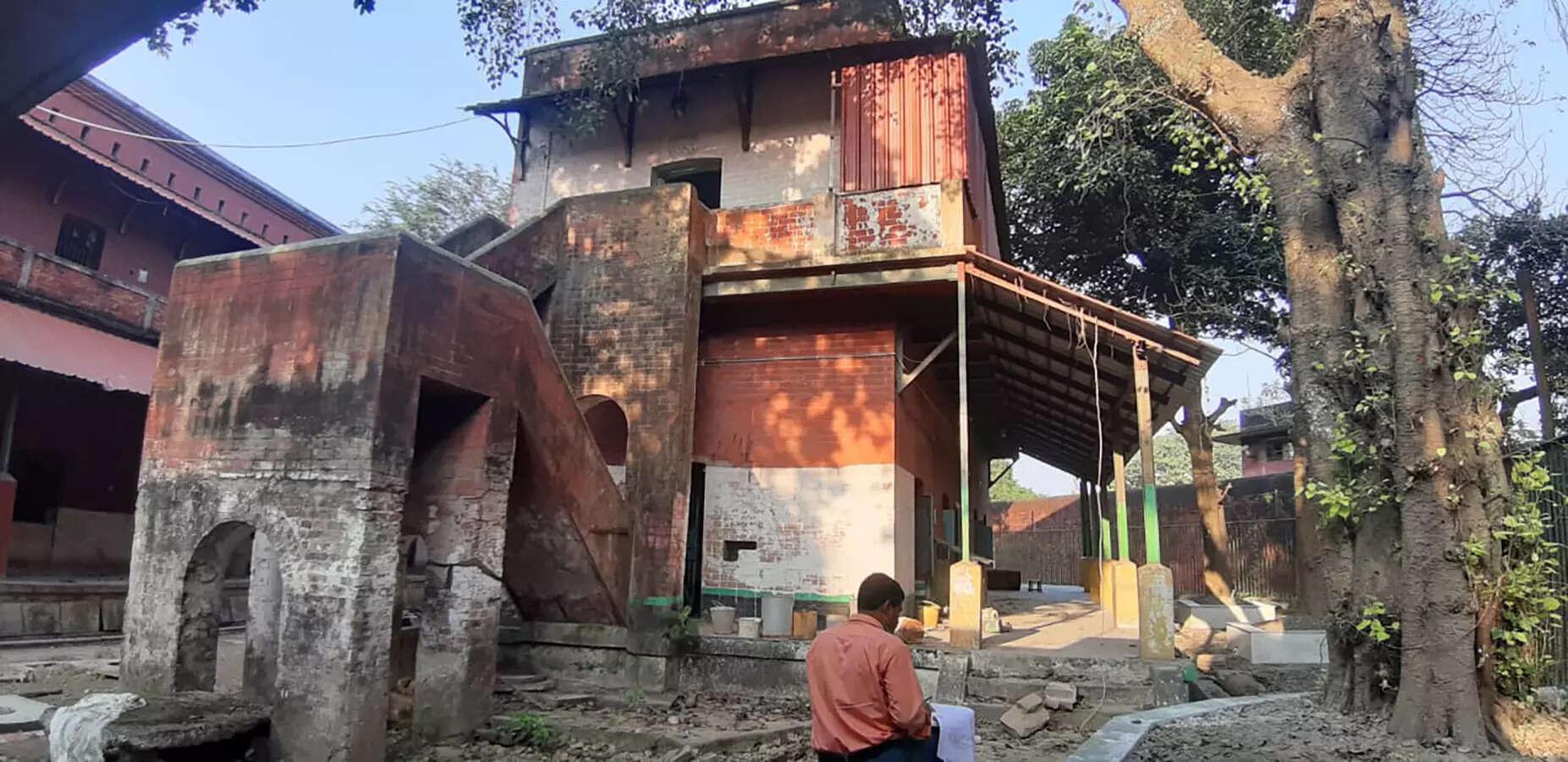
What its like now Three years on, the space is beginning to function not just as a memorial but as a cultural ecosystem. The early phase saw small but significant experiments. Vacant halls hosted lectures, workshops and exhibitions, including the long-running Freedom and Awakening show that explored the idea of freedom through art. But the turning point came when the Bengal Biennale used one of the empty halls as an exhibition venue in 2024–25.
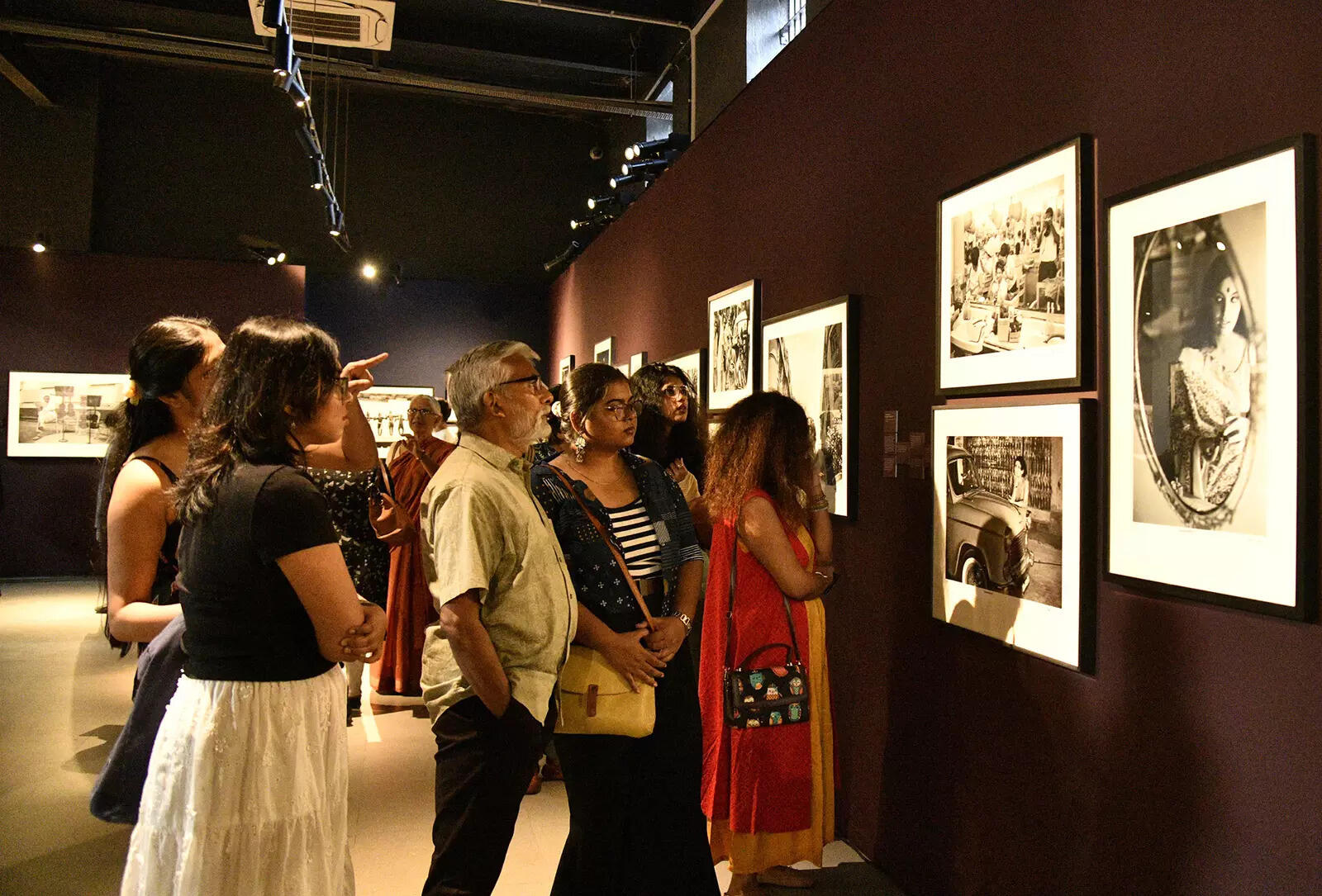
The experience demonstrated how adaptable the site could be.Since then, several structural additions have changed how the museum operates. Former storage halls have been converted into a fully air-conditioned auditorium and a dedicated exhibition gallery, allowing the museum to host institutional programmes, screenings and curated shows. New galleries with more permanent design infrastructure have also been added, making it easier to host professional exhibitions.Accessibility has improved too. Entrance maps, Braille guides and better visitor navigation systems have made the space more inclusive. Landscaping, improved lighting and restored courtyards have softened the prison’s austerity without erasing its historic character.The programming has expanded alongside the infrastructure. The museum now hosts lectures, exhibitions, dance festivals, seasonal art initiatives and even a vintage car showcase that draws new audiences into the space.
Literary events and cultural festivals have begun proposing the venue as well, reflecting its growing stature. “What people respond to most is the atmosphere,” Sengupta says. “The history is palpable, but the space is alive and evolving.
That balance between remembrance and reinvention defines the museum today.”Footfall reflects that shift. Weekends now see roughly 1,500–2,000 visitors a day, while weekdays draw large student groups and researchers.
The museum’s early record of nearly 16,000 visitors in a single day still stands, but steady growth rather than spikes now marks its trajectory. What began as a silent colonial prison has become a public space where history, culture and contemporary programming coexist.
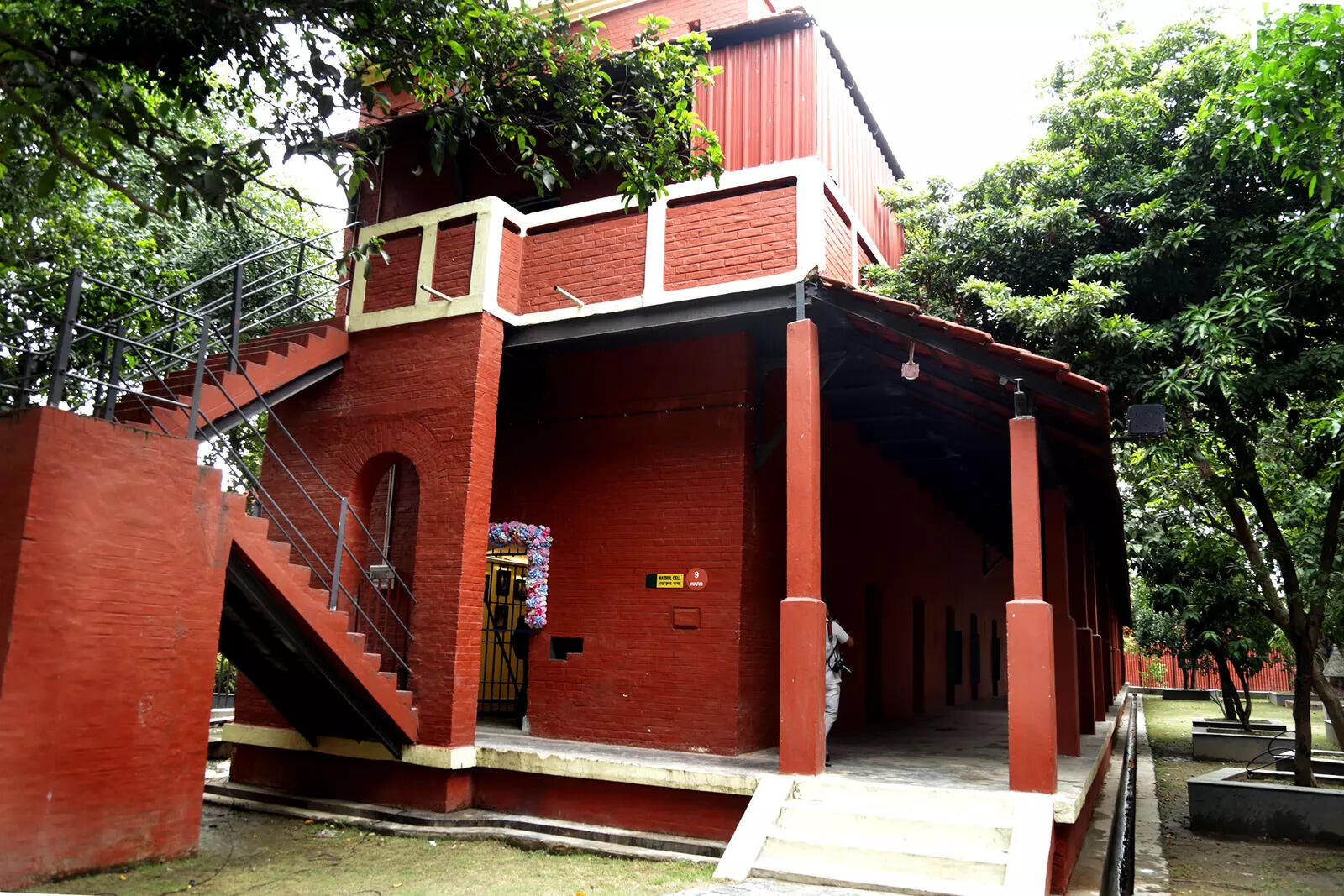
Why we love itBecause it has transformed a former jail into a public space of remembrance - history here feels reclaimed, not merely displayed.Because you can still sense the original prison architecture, making the experience visceral rather than abstract.Because it is evolving instead of fossilising - new galleries, research projects and exhibitions keep adding layers.Because it’s becoming one of Kolkata’s most unusual cultural venues, where art, lectures and performances unfold inside a historic jail complex.And most of all, because Alipore Museum shows how a city can reinterpret its past - not by erasing it, but by giving it a new purpose.






 English (US) ·