

 1 hour ago
4
1 hour ago
4
ARTICLE AD BOX
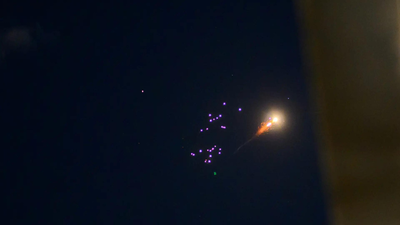
The expanding conflict between the United States, Israel and Iran is increasingly becoming a contest of endurance — a battle not only of strategy but also of weapons stockpiles. Since the first wave of coordinated US–Israeli strikes on Iranian military infrastructure, both sides have fired large numbers of missiles and drones, rapidly consuming munitions that take months or years to produce.Data compiled by the Tel Aviv–based Institute for National Security Studies suggests Iran has already launched 571 missiles and 1,391 drones since the conflict began. Many were intercepted by US, Israeli and Gulf air defence systems, but the scale of the exchange is raising questions about how long such a tempo of combat can be sustained.Washington insists it retains overwhelming capacity. US President Donald Trump has claimed American stockpiles of key weapons are “virtually unlimited”, while the Pentagon says defence companies have been placed under emergency orders to accelerate production.
At the same time, US officials acknowledge that modern air defence interceptors are expensive, complex and produced in limited numbers.
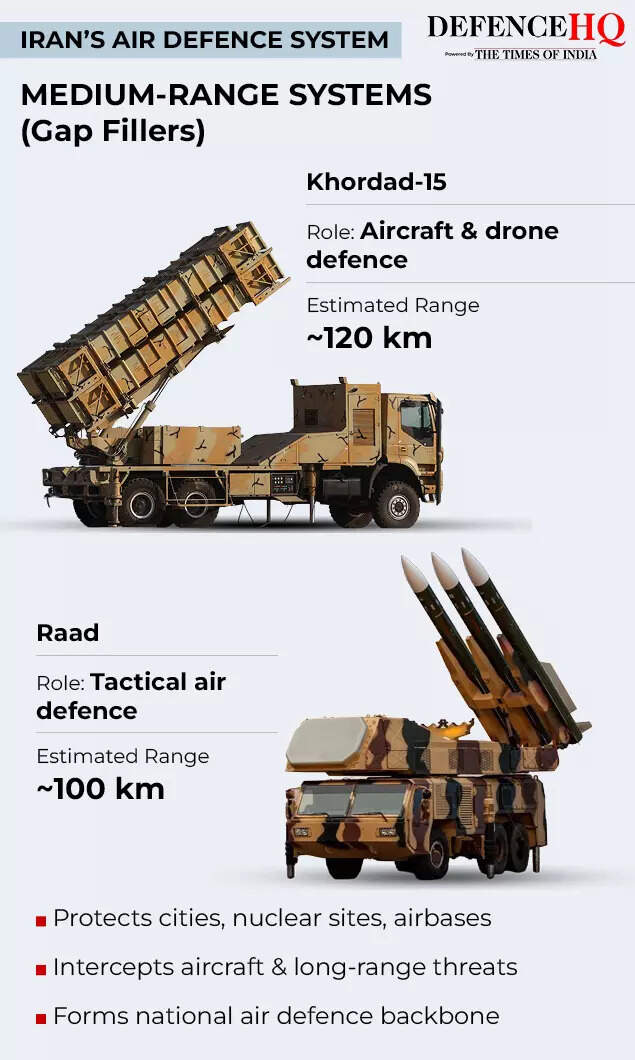
Iran, for its part, maintains that it has the capacity to continue fighting despite heavy strikes on its air defences and military infrastructure. But with US and Israeli aircraft now operating with increasing freedom over Iranian territory, analysts say the key question is whether Tehran can sustain its missile launches faster than its launchers and production sites are destroyed.
Iran’s missile barrages slowing after intense early attacksIn the first days of the war, Iran responded to US–Israeli strikes with waves of missiles and drones targeting Israel and American-linked assets across the Gulf. Hundreds were launched in a single day at the height of the exchange.However, US military officials say the pace has slowed dramatically. Chairman of the Joint Chiefs of Staff General Dan Caine said Iranian ballistic missile launches have fallen 86% compared with the first day of fighting, with a further 23% drop recorded in the past 24 hours.
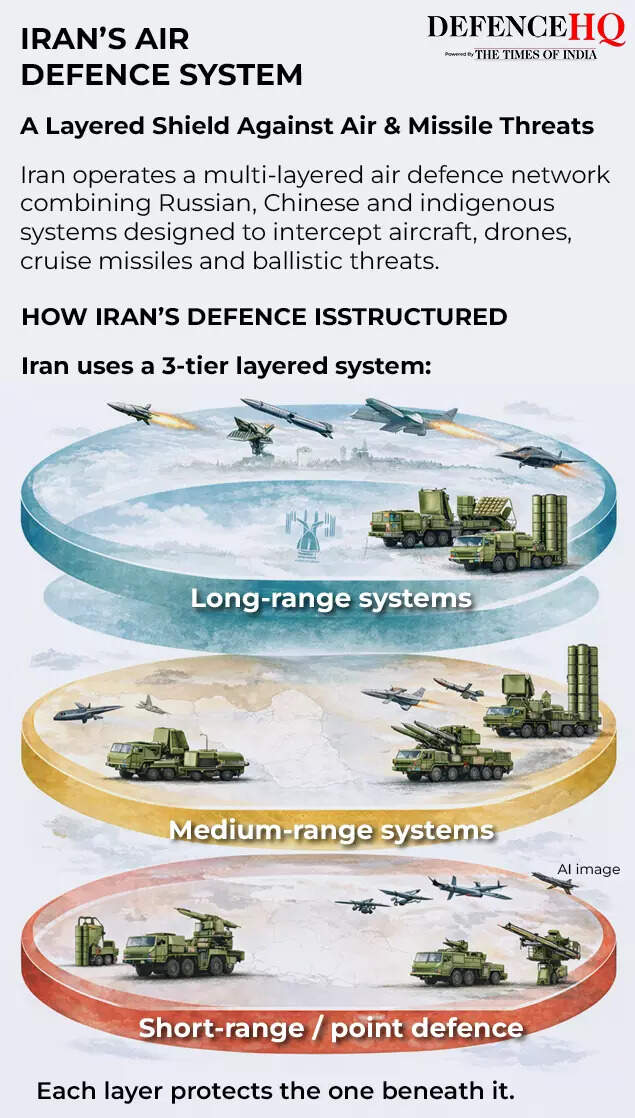
Drone activity has also declined sharply. According to Caine, Iran’s one-way attack drone launches are down 73% since the start of the conflict.US Central Command says American and Israeli forces have struck nearly 2,000 Iranian targets using more than 2,000 munitions, destroying missile launchers, storage facilities and large sections of Iran’s air defence network.With much of Iran’s air defence suppressed and its air force largely neutralised, US and Israeli aircraft are now focusing on locating and destroying missile launchers and production sites.
Still, analysts caution that Iran’s vast geography — more than three times the size of France — makes it difficult to eliminate all hidden stockpiles.Interceptors and drones: the hidden strain on US defencesWhile Iran’s missile launches appear to be declining, American officials warn that defending against them is costly. Each interception requires advanced air defence missiles such as Patriot or THAAD interceptors, which are expensive and produced in limited quantities.US forces have already intercepted hundreds of Iranian ballistic missiles, protecting bases, regional allies and shipping routes. But experts say the risk remains that interceptors could be used faster than they can be replaced.Senator Mark Kelly warned on Capitol Hill that Iran still has the ability to produce large numbers of drones and missiles. “At some point this becomes a math problem,” he said, referring to the challenge of replenishing air defence munitions.Iran’s Shahed-type drones present a particular challenge. Flying low and slowly, they are harder to detect and can overwhelm air defences when launched in swarms. US officials have privately acknowledged that not every drone can be intercepted.Meanwhile, demand for missile defence systems is rising globally. Patriot interceptors — each costing more than $4 million — are already heavily used in Ukraine and across the Middle East.
Analysts estimate the United States produces roughly 700 Patriot missiles annually, limiting how quickly stocks can be rebuilt.A war of stockpiles, production and enduranceDespite concerns about air defence supplies, analysts say the United States retains a decisive advantage in overall military capacity. Once initial long-range strikes were completed, US forces began shifting to cheaper “stand-in” weapons such as JDAM bombs rather than expensive cruise missiles.This change could allow sustained air operations for a long period. Some experts believe the US could maintain its strike campaign almost indefinitely, particularly as the number of viable Iranian targets gradually decreases.However, the defensive side of the war — intercepting missiles and drones — remains the more difficult challenge. Estimates suggest the United States may have around 1,600 Patriot interceptors in reserve, and heavy use during the conflict could deplete those numbers.Ultimately, both sides are burning through weapons faster than they can manufacture them. For Iran, the challenge is maintaining missile launches while launchers and factories are targeted. For the United States and its allies, the key question is whether expensive air defence interceptors can keep pace with Iranian missiles and drones.







 English (US) ·