

 15 hours ago
6
15 hours ago
6
ARTICLE AD BOX

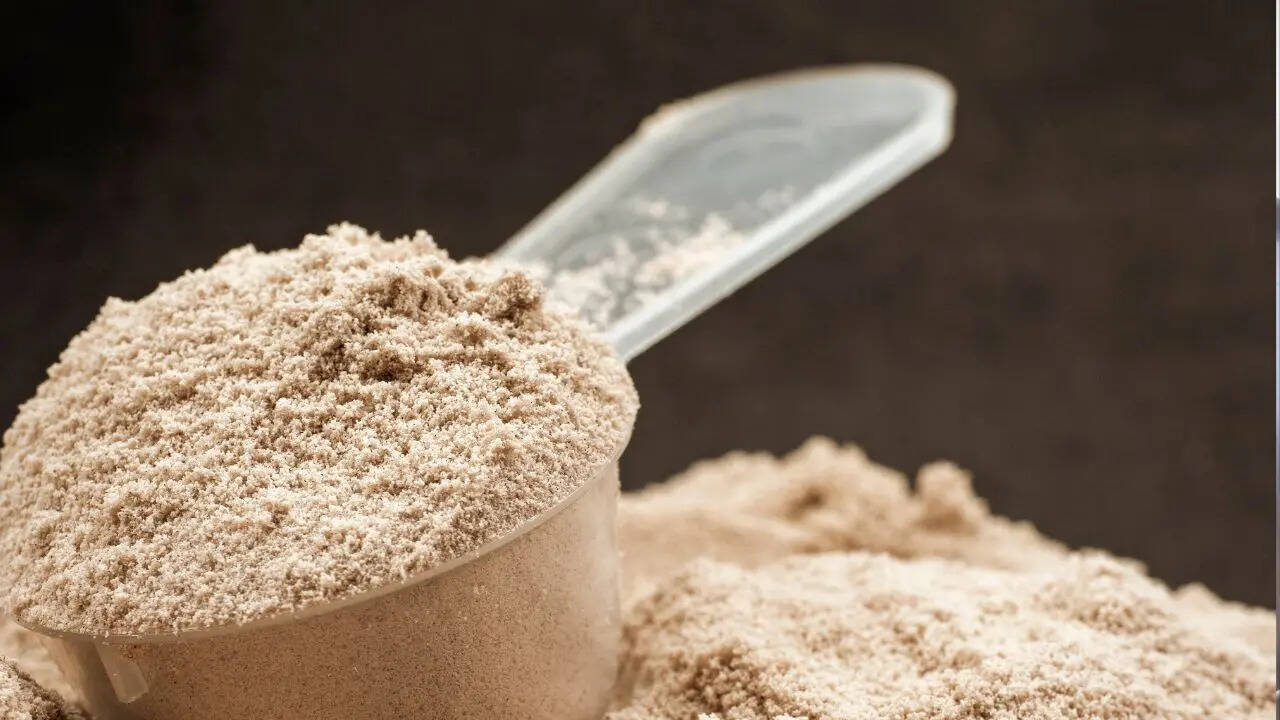
Most fitness enthusiasts around the world believe that food alone isn’t sufficient for a healthy body and mind, and this need for extra nutrition has been fueling the pharma industry and the world of nutrient-based supplements and protein rice powders, but are these supplements actually healthy? Let’s delve deep and find out how a recent study claims that men may be reducing their lifespan by an increased intake of these nutrient-based supplements.Filling the nutrient voidOf late, a common narrative about the need for that extra dose of amino acid found through supplements and powders is believed to give a healthy boost of energy and strength and may help in boosting brain health as well, but a study published in the journal of ScienceDaily found a strange link between these supplements and an unexpected connection to longevity. As per a new study that appeared in the journal Aging-US, the scientists reported that they examined whether two amino acids, phenylalanine and tyrosine, could influence how long people live.
Their findings suggest that higher levels of tyrosine in the blood are associated with a shorter life expectancy in men, raising new questions about the role this nutrient may play in aging.

Understanding Phenylalanine and TyrosineThe study was done by Jie V. Zhao, Yitang Sun, Junmeng Zhang and Kaixiong Ye from the University of Hong Kong and the University of Georgia. They did this study to learn more about amino acids.
Amino acids are the building blocks of proteins. The body uses proteins to build tissue and create enzymes. Amino acids also support biological functions. There are two acids that are very important. These are phenylalanine and tyrosine.
Phenylalanine and tyrosine help regulate our metabolism and brain activity. You can find phenylalanine and tyrosine in food. They are in meat, fish, eggs and dairy. These amino acids are also in supplements.
People take these supplements to have energy to focus and to have better brain performance. Tyrosine is very important, as it helps produce brain chemicals. These brain chemicals are dopamine, norepinephrine and epinephrine. Dopamine, norepinephrine and epinephrine control our mood, attention, memory and stress responses. This is why scientists are so interested in tyrosine. Scientists who study aging and brain health find it very interesting to study this nutrient, tyrosine.Study findingsTo see if these amino acids truly affect how long we live, the research team analyzed the health and genetic data of more than 270,000 people using the UK Biobank, a massive long-term health database. The team looked at the direct relationships between amino acid levels and death rates. They also used a genetic method called Mendelian randomization, which helps scientists determine if a link is actually a cause-and-effect relationship or just a coincidence.
By combining these methods, the researchers were able to look past basic correlations and find stronger evidence regarding how these amino acids directly impact lifespan.
Tyrosine Identified as a Potential RiskInitially, both phenylalanine and tyrosine seemed to be linked to a higher risk of death. However, after adjusting for other variables, only tyrosine consistently showed a negative relationship with lifespan.
The data indicated that high tyrosine levels were tied to a reduced life expectancy, but only in men. Based on the genetic data, researchers estimated that elevated tyrosine could shorten a man's life by nearly a year.Interestingly, women did not show this same pattern, as there was no significant link between tyrosine and lifespan for female participants.
The researchers pointed out that men generally have higher tyrosine levels than women anyway.
This difference might explain part of the long-standing gap in life expectancy between the sexes. Meanwhile, phenylalanine showed no impact on lifespan for either gender once tyrosine was accounted for.Why Does Tyrosine Affect Aging?Scientists are not sure why this happens. They have some ideas. One idea is that it has something to do with insulin resistance, where the body's cells do not respond well to insulin.
This is a problem that gets worse with age and is linked to things like type 2 diabetes and heart disease. Tyrosine might also change how the body makes hormones. When these stress systems are not working well, it can be bad for our health. How we age over time.
The way hormones work in the body could also be a factor. Because men and women have hormone systems, this might explain why only men in the study had a shorter lifespan.What this means?Tyrosine is a supplement that people take to be more alert and focused and to handle stress.. These new findings suggest that it might not be as simple as that. It could have some effects on our health in the long run. It is worth noting that this study did not look at tyrosine supplements directly and it did not prove that taking them will make our lives shorter. The study only looked at the levels of tyrosine that're already in our blood.
So we should not think that supplements are bad because of this study.. It does suggest that we should be careful about having too much tyrosine in our bodies. The people who did the study think that changing our diet like eating protein might help lower our tyrosine levels. We need to do studies to see if this can really help us age healthier.Moving forward This study gives us some of the evidence so far that tyrosine is linked to how long we live.
It also leaves us with a lot of questions. Scientists need to do studies to see if they get the same results with different groups of people. They also want to figure out exactly what is happening in our bodies when we have much tyrosine. They want to know if there are specific things we can do with our diet or lifestyle to manage our tyrosine levels and live longer healthier lives.
For now this study shows us something: a nutrient that is good for our brains might also have a say in how long we live. Tyrosine is a nutrient that's famous for helping our brainpower but it might also be important for our lifespan. The study of tyrosine and its effects on our health is ongoing. We can expect to learn more about tyrosine and its role in our bodies.









 English (US) ·