

 1 hour ago
2
1 hour ago
2
ARTICLE AD BOX
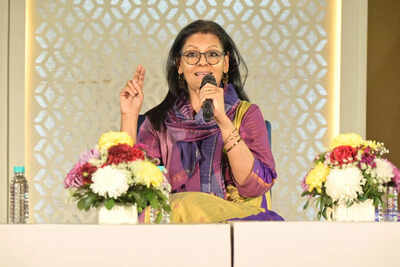
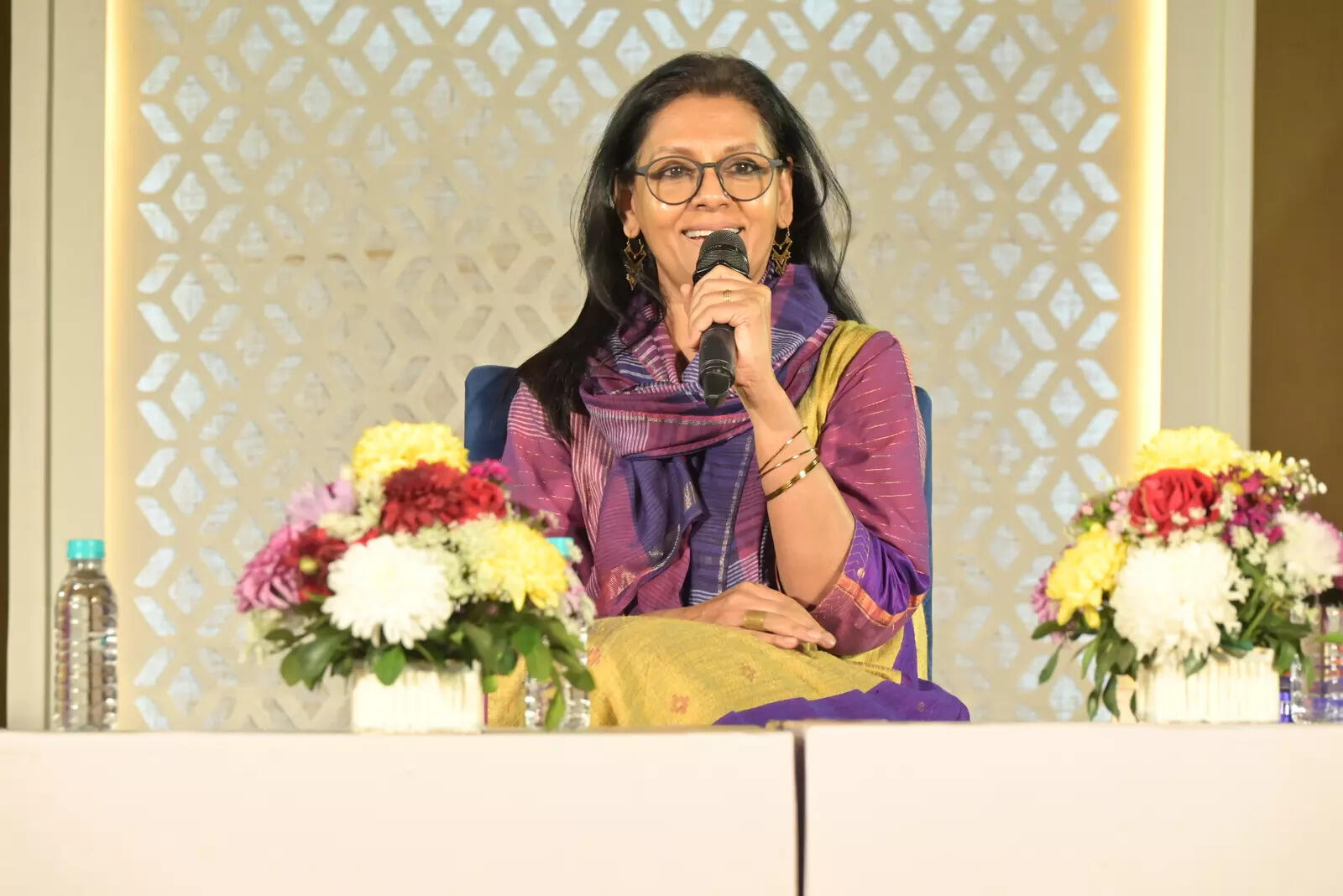
Filmmaker Nandita Das joined author and researcher Vandana Vasudevan in Kolkata to peel back the glossy surface of India’s booming gig economy and reveal the human cost behind food deliveries, quick commerce and app-driven labour.
In a wide-ranging conversation at a city literary festival, drawing from Das’s film Zigato and Vasudevan’s book OTP, Please, the two explored how algorithms, consumer entitlement and deep-rooted social hierarchies have made millions of workers both essential and invisible.
“These lives are hidden in plain sight”
Das said her interest in delivery workers began during the pandemic, when dependence on them grew even as their vulnerability intensified.
Recalling a rider who anxiously apologised for being five minutes late, she said the fear built into the system struck her deeply. “During COVID we became dependent on them, but they were anything but partners,” she said, noting how working-class lives once central to cinema have vanished from mainstream storytelling.
What began as a short film idea evolved into Zigato as she learned about ratings, incentives and algorithmic control.
“The challenge was to humanise a world that had been reduced to data.”
“Convenience is built on inequality”
Vasudevan described today’s delivery culture as an unprecedented era of consumer pampering, where instant gratification has become normalised. From meals ordered every few seconds to groceries arriving within minutes, she argued that platforms and consumers now fuel a cycle of endless desire. “No distance is too far and no worker too expendable in the service of convenience,” she said.
While customers are treated as all-powerful and companies protected from loss, the worker absorbs the pressure.
Das added that India’s long-standing caste and class hierarchies have made such inequality feel natural. “We’ve normalised it so deeply that we don’t even recognise it as cruelty anymore.”
“We are not passive participants”
Both speakers stressed that the gig economy is designed to remove human accountability, with workers managed entirely through apps, monitored by algorithms and often left to resolve grievances through automated systems. Yet they argued that consumers still hold real power. “Every rating we give and every complaint we make shapes someone’s livelihood,” Das said, urging greater mindfulness. Storytelling, she added, is aimed not at platforms or workers but at society itself, to restore empathy and expose complicity.
“The question isn’t whether technology should exist,” she said. “It’s whether we’re willing to see the people carrying its weight.”





 English (US) ·