

 1 hour ago
5
1 hour ago
5
ARTICLE AD BOX

Momo, a staple food of the hilly Himalayan and Nepali terrains, and which has now permeated most pin codes in India, is the central theme of a 114-minute-long feature film. The 'Shape of Momo' which has completed the festival circuit in style - from Goa to Busan, San Sebastian, and Seattle - recently released in theatres. Director Tribeny Raiuses the simple, everyday food item to build a powerful and layered narrative in Nepali on women empowerment, gender, and stereotyping of Northeastern society that won the prestigious Songwon Vision Award. In an interview with Lopamudra Ghatak, the Satyajit Ray Film and Television Institute alumna talks about moving beyond the ‘postcard image’ of the mountainous folk and bridging the gap with the NE via emotional investment. The debutante director also reflects on how women still end up shouldering a disproportionate share of the emotional labour in relationships. How did the germ of this idea come to you? Tell us about the grammar behind the film’s name, 'Shape of Momo'. The germ of the idea came from observing the women around me while growing up in the hills of Sikkim. The film grew out of a desire to tell a story that felt deeply rooted in my home, language, and culture.The 'Shape of Momo' title works both literally and metaphorically. A momo is something almost everyone in our region knows and loves, but its shape is determined by the hands that make it. The film’s title becomes a metaphor - for how identities are shaped by family, tradition, gender roles, and the expectations imposed by society.From Busan to San Sebastian, 'SoM' has done the international festival rounds and premieres to high praise and acclaim. How do you feel? It is reassuring when a story that comes from a very specific place resonates with people who have never been there.
People from very different backgrounds connected with the characters and brought their own experiences to the film. It has been especially gratifying to see audiences reflect on their own families and engage with a culture that may be unfamiliar to them.What has surprised me is how, in so many cultures, there is a particular food that somehow becomes tied to ideas of womanhood. In Punjabi households, it is often the roundness of a roti.
In Korea, there is a belief that if a woman makes beautiful mandu, her children will be beautiful. These traditions may seem harmless, even playful, but they also reveal how societies have historically linked a woman's worth to domestic skills and caregiving.
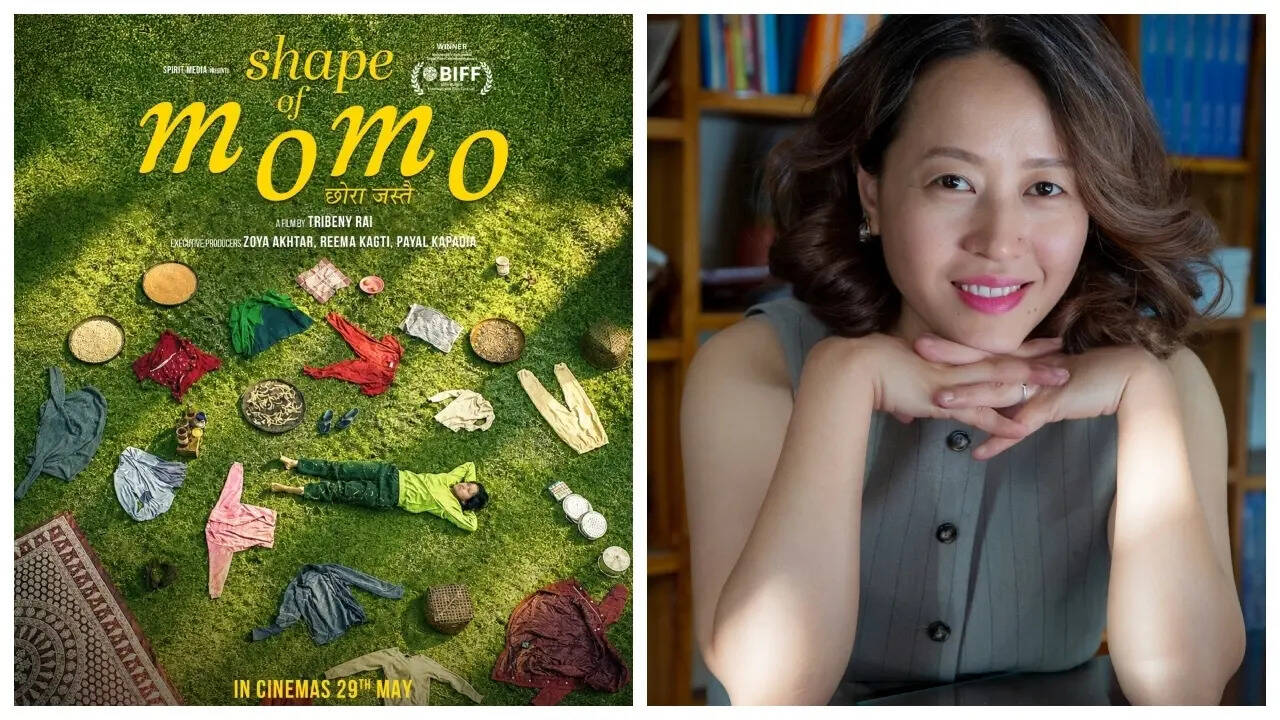
Stories about men are seen as universal, the ones about women become a category, says Tribeny Rai, the director of 'Shape of Momo.'
Instead of romanticising the mountain communities, you have portrayed the realistic side where women are seen managing empowerment and expectations. What made you choose this angle? A big reason was the lack of representation. Stories from the mountains are often told through a romantic lens, and the everyday realities of the people who live there, especially women, rarely find space on screen.
I wanted to move beyond the postcard image and portray the community as I know it: complex, evolving, and full of contradictions. Women are often expected to balance personal aspirations with family and societal expectations, and yet their experiences are rarely told.
Through the film, I wanted to portray these women not as symbols of empowerment or victimhood, but as fully human individuals navigating complicated lives.India now has migrants across states, driven by factors of economic growth, aspiration and freedom. At the same time there is a sense of rootlessness and lack of belonging in the film’s protagonist, Bishnu. How does one address this conflict? I think the conflict comes from trying to belong to fixed ideas of identity, community, or home in a world that is constantly changing. Bishnu's struggle is not just geographical; it is emotional and existential. She feels caught between who she is expected to be and who she is becoming. The film does not see this conflict as something to be resolved.Belonging is not a final state but an ongoing negotiation between the past and the future.
Perhaps being human means learning to live with that uncertainty rather than trying to overcome it. You want your past to remain fixed while you explore your present, but when you come back, you find that it has changed. I think this is true for so many of us.
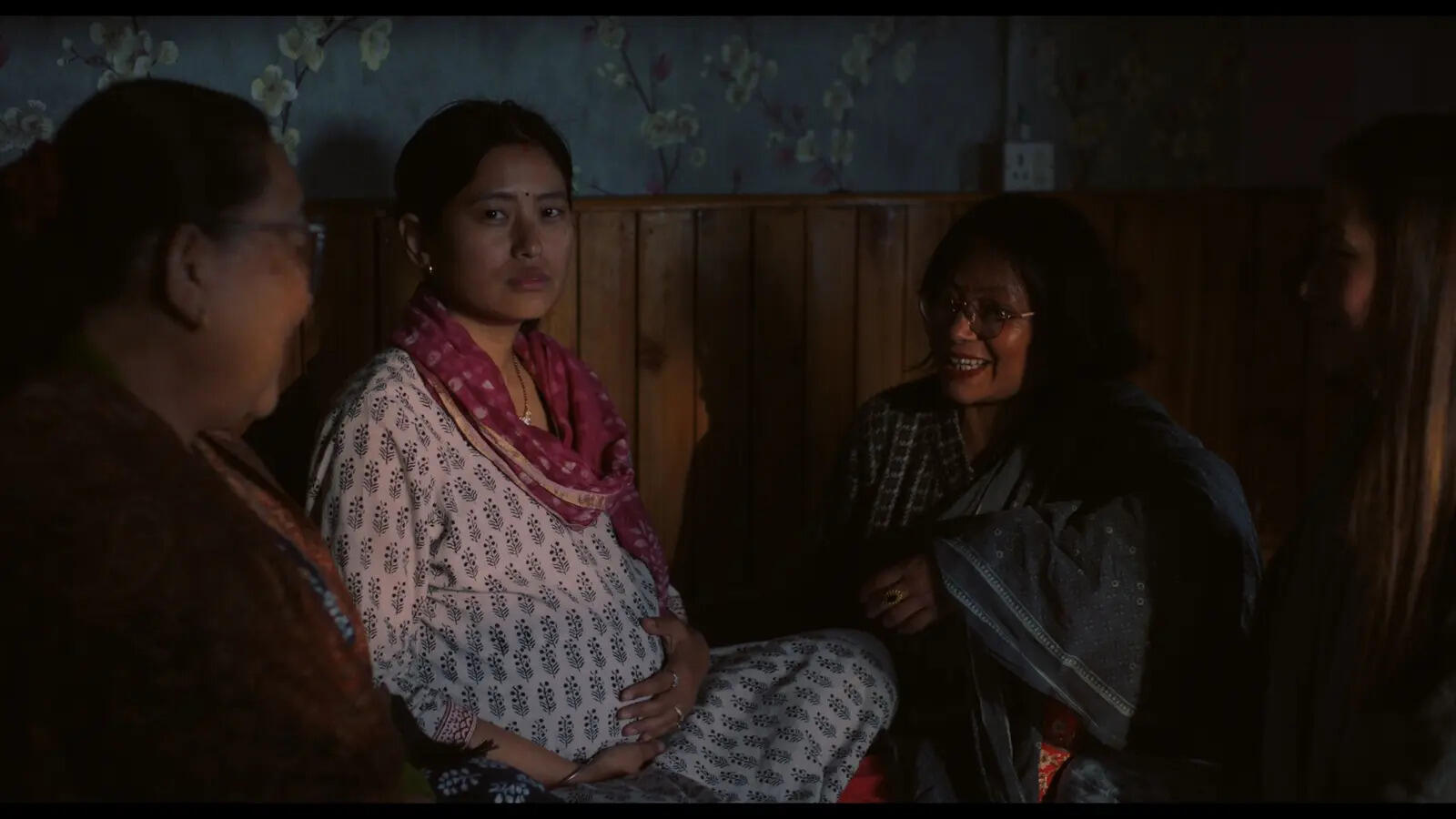
Women are often expected to balance personal aspirations with family and societal expectations, and yet their experiences are rarely told.
Korean popular culture now enjoys an unusually strong following in the Northeast. Why do you think that connection runs deeper there than elsewhere in India? From my understanding, the popularity of Korean pop culture in the Northeast comes from a slightly different place than it does in the rest of the country. For the longest time, many of us didn't see people who looked like us represented on screen.
When Korean music, films, and television broke through, there was an immediate sense of familiarity and affinity.As for the broader cultural shift, I see young people in Sikkim consuming content from Seoul, Mumbai, and New York with equal ease, even though our material realities remain very different. In many ways, that is a positive development as it gives people access to different ways of seeing the world.But we also need to ask what that engagement leads to. If it encourages curiosity, understanding, and meaningful exchange, it can be enriching.
If it only produces shallow interactions and aspirations disconnected from our lived realities, then that is something worth reflecting on.
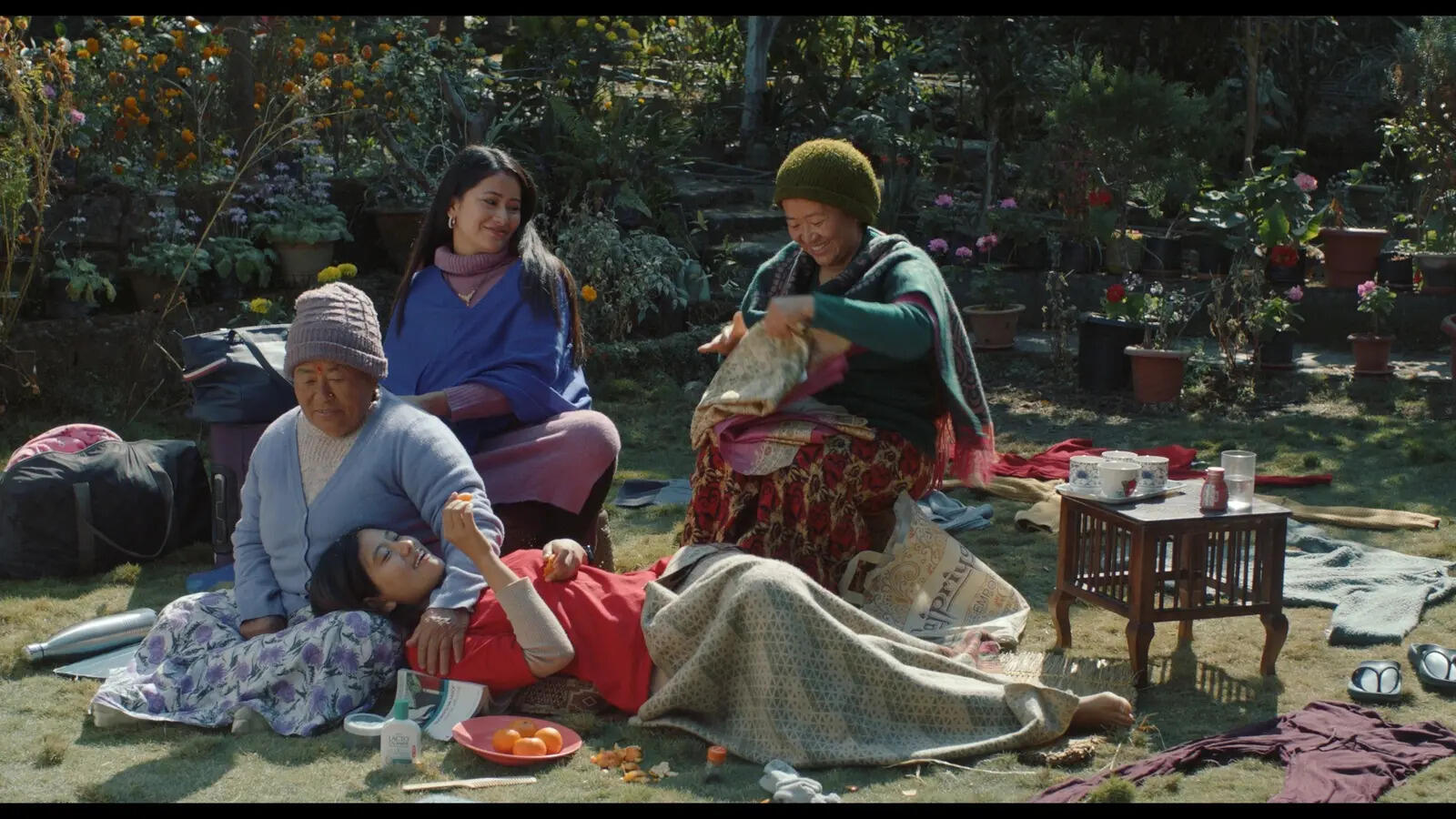
Belonging is not a final state but an ongoing negotiation between the past and the future., says director Tribeny Rai.
“Tyranny of distance” - a phrase that has often been used to describe the NE’s relationship with the rest of India. With improved infrastructure and access, do you think this has been addressed somewhat? I think the idea of distance was never purely geographical. It was also about representation, understanding, and a sense of inclusion. While progress has been made, there is still work to be done. Meaningful connection comes not just from roads and technology, but from a willingness to listen to one another's stories and recognise each other as part of the same conversation.Do you think the modern language of love places unrealistic burdens/ expectations on women (in the case of heterosexual relationships)? I think the modern language of love often asks people to be everything for one another: partner, emotional anchor, and source of fulfilment. While these expectations can affect everyone, women frequently end up carrying a disproportionate share of the emotional labour within relationships.At the same time, I don't think this is simply a problem of modern love. It is also shaped by older social expectations around care, sacrifice, and responsibility that women have long been expected to embody.
What interests me is how these expectations persist even as ideas of freedom, choice, and equality evolve.You have portrayed the female experience with the 'Shape of Momo'. Does the ‘woman director’ tag make you conscious, does it box you into a particular genre? I understand why the label exists, especially in an industry where women have historically been underrepresented behind the camera. But I don't think of myself as a woman director first: I think of myself as a filmmaker. Of course, my experiences as a woman shape the way I see the world and the stories I am drawn to, just as anyone's background influences their work.
But I would be hesitant to see that as a limitation.I hope to make films about many different subjects and people over the course of my career. The only thing I would question is why stories about women are often seen as a category, while stories about men are seen as universal.You studied filmmaking at Satyajit Ray Film and TV Institute in Kolkata. What was the most memorable takeaway from your time there? The biggest takeaway was learning to trust my own voice. Film school introduced me to a wide range of cinema and ideas, but it also made me realise that there is no right way to tell a story. You have to find your own way. It was also the first time I met people from very different backgrounds who were equally passionate about cinema. Those collaborations and friendships shaped me as much as the classroom did.Three film directors whom you absolutely adore. Nuri Bilge Ceylan, Yasujiro Ozu and Satyajit Ray..





 English (US) ·