

 1 hour ago
7
1 hour ago
7
ARTICLE AD BOX
Last Updated:June 11, 2026, 13:02 IST
A University of Oxford study has ranked 14 Indian cities among the world's top 50 for heat risk. Ahmedabad tops the Indian list, while Bengaluru ranks above Mumbai

Heat is no longer just about how high the mercury climbs. A new University of Oxford study, published in the journal Sustainable Cities and Society, has ranked 205 big cities worldwide on heat risk — and 14 Indian cities figure in its top 50. The researchers looked beyond temperature, scoring each city on three counts: how much heat its people actually face, how vulnerable they are because of age and income, and whether they have the means to cope — green cover, affordable electricity, access to cooling. (PTI)
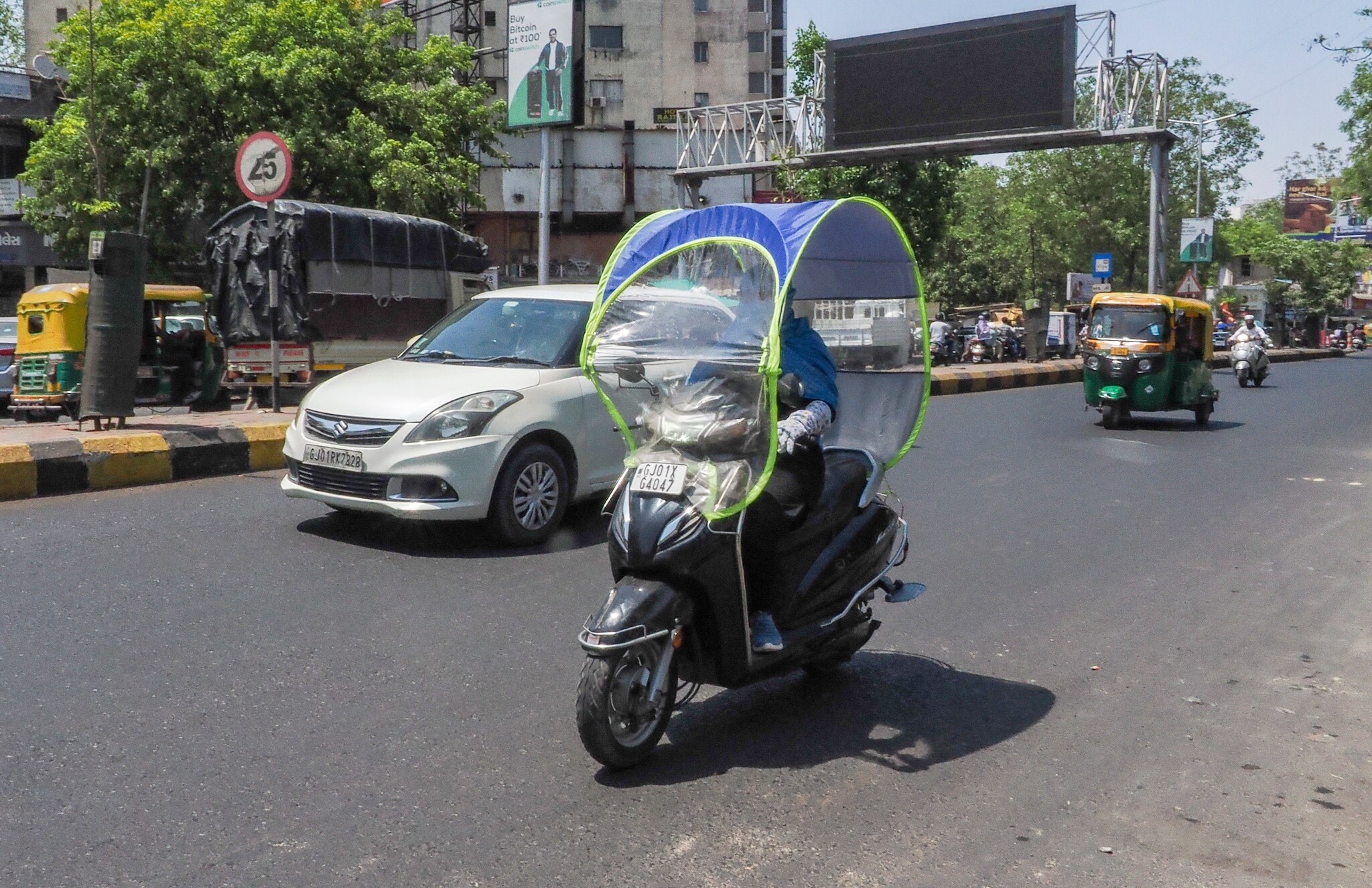
Ahmedabad (Risk score: 0.79): Ahmedabad tops the Indian list and is among the highest-risk cities in the world, according to the study. Its heat exposure score of 0.89 is one of the worst recorded, and weak coping capacity adds to the burden. There is a silver lining: the city's Heat Action Plan — South Asia's first — with its early warnings and cool roofs for low-income homes, has been credited with saving lives. The study itself cites it as a model other cities should follow. (PTI)
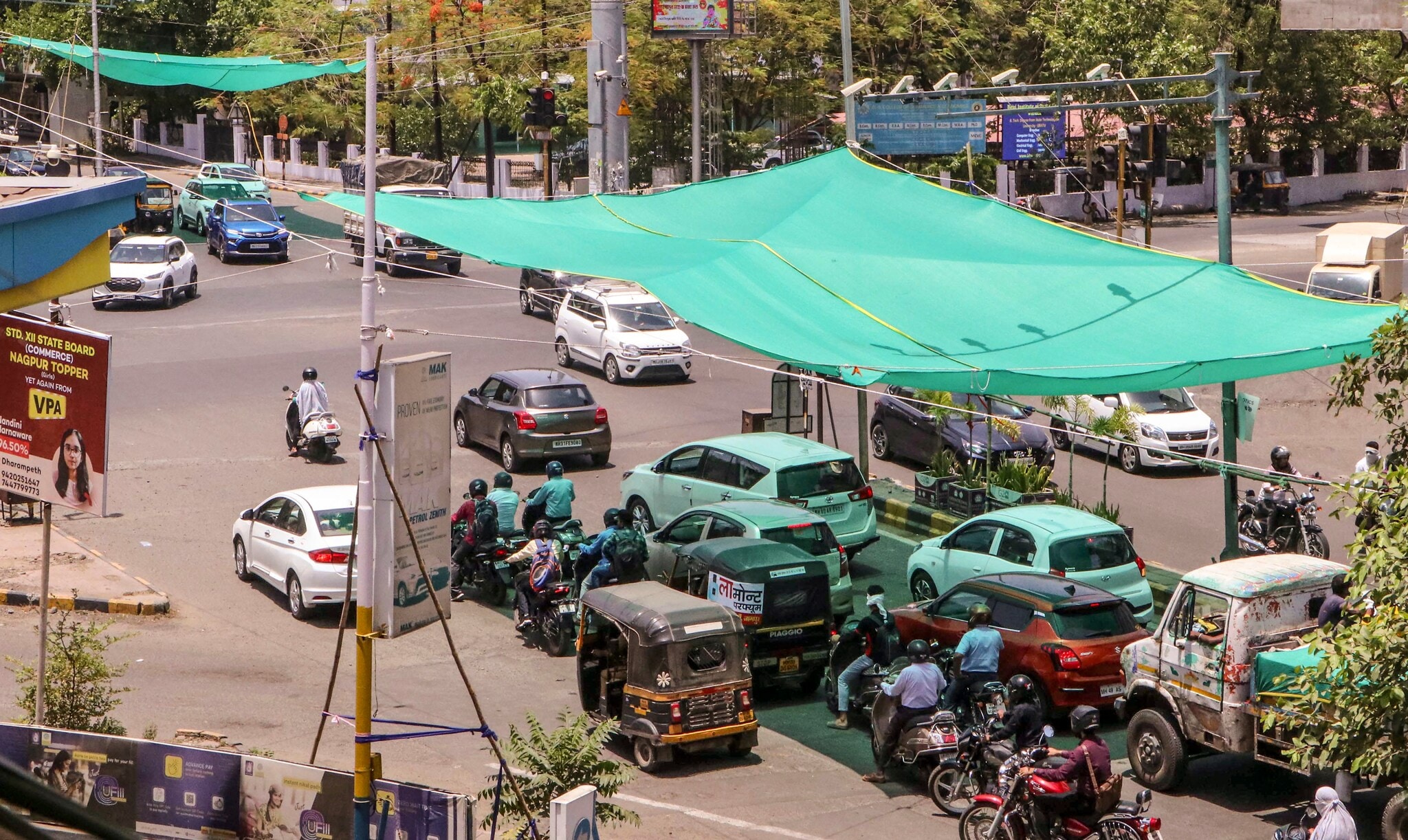
Nagpur (Risk score: 0.76): The Orange City is also one of India's hottest, and the study confirms what Nagpur residents feel every summer. With a heat exposure score of 0.86, the city ranks second among Indian cities on overall risk. For a city used to 45-degree summers, the finding is a reminder that rising heat is not just discomfort — it hits health, electricity bills and daily wage earners who work outdoors the hardest. (PTI)

Bhopal (Risk score: 0.75): Madhya Pradesh's capital may not make national headlines for heatwaves, but it ranks third among Indian cities in the Oxford study. What pushes Bhopal up the list is not extreme exposure alone — its vulnerability score of 0.66 reflects how age profile and income levels make residents more susceptible when temperatures spike. (PTI)
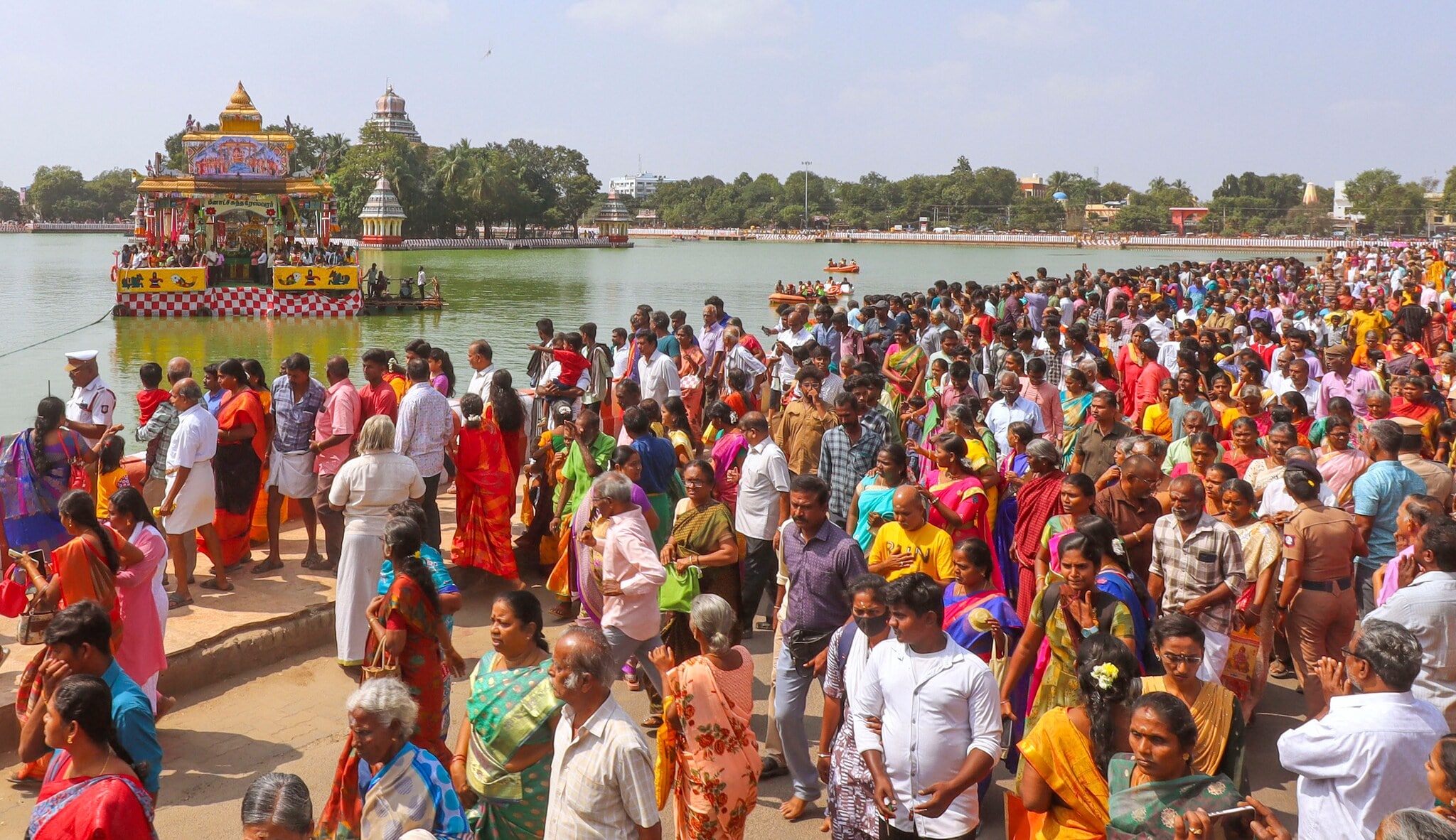
Madurai (Risk score: 0.73): Madurai has the second-highest heat exposure score in the entire world — 0.99, behind only Ho Chi Minh City. The study measured 'feels-like' heat, which counts humidity along with temperature, and Tamil Nadu's temple city fares worse on it than Delhi, Mumbai or Chennai. For Madurai's residents, the sticky, draining heat they live with has now been quantified — and it is globally exceptional. (PTI)

Patna (Risk score: 0.73): Patna records the highest vulnerability score among all Indian cities on the list — 0.77. In plain terms, the study finds Bihar's capital has more people who are at greater risk when heat strikes: young children, the elderly, and households without the income to afford cooling. Combined with poor green cover, it makes Patna's summers a serious public health concern. (PTI)

Jaipur (Risk score: 0.70): The Pink City scores high on both heat exposure (0.78) and lack of coping capacity (0.77), according to the study. Rajasthan's desert heat is nothing new, but the findings suggest Jaipur's defences — vegetation, affordable cooling — have not kept pace with its growth. That gap is what turns a hot city into a high-risk one. (PTI)

Bengaluru (Risk score: 0.69): The biggest surprise on the list. India's 'air-conditioned city' has the lowest heat exposure score among all 14 Indian entries — just 0.64 — yet ranks above Hyderabad, Mumbai and Chennai on overall risk. The reason, per the study's framework: shrinking green cover and gaps in coping capacity. Bengaluru's famous weather is changing faster than the city is preparing for it. (PTI)

Hyderabad (Risk score: 0.68): Hyderabad's core urban area, home to nearly 78 lakh people, faces high heat exposure (0.76) and a coping capacity deficit (0.71), the study finds. As concrete spreads and the city builds upward, the findings suggest its ability to absorb extreme heat is not keeping up — a concern for a city that has already seen punishing summer spells in recent years. (PTI)
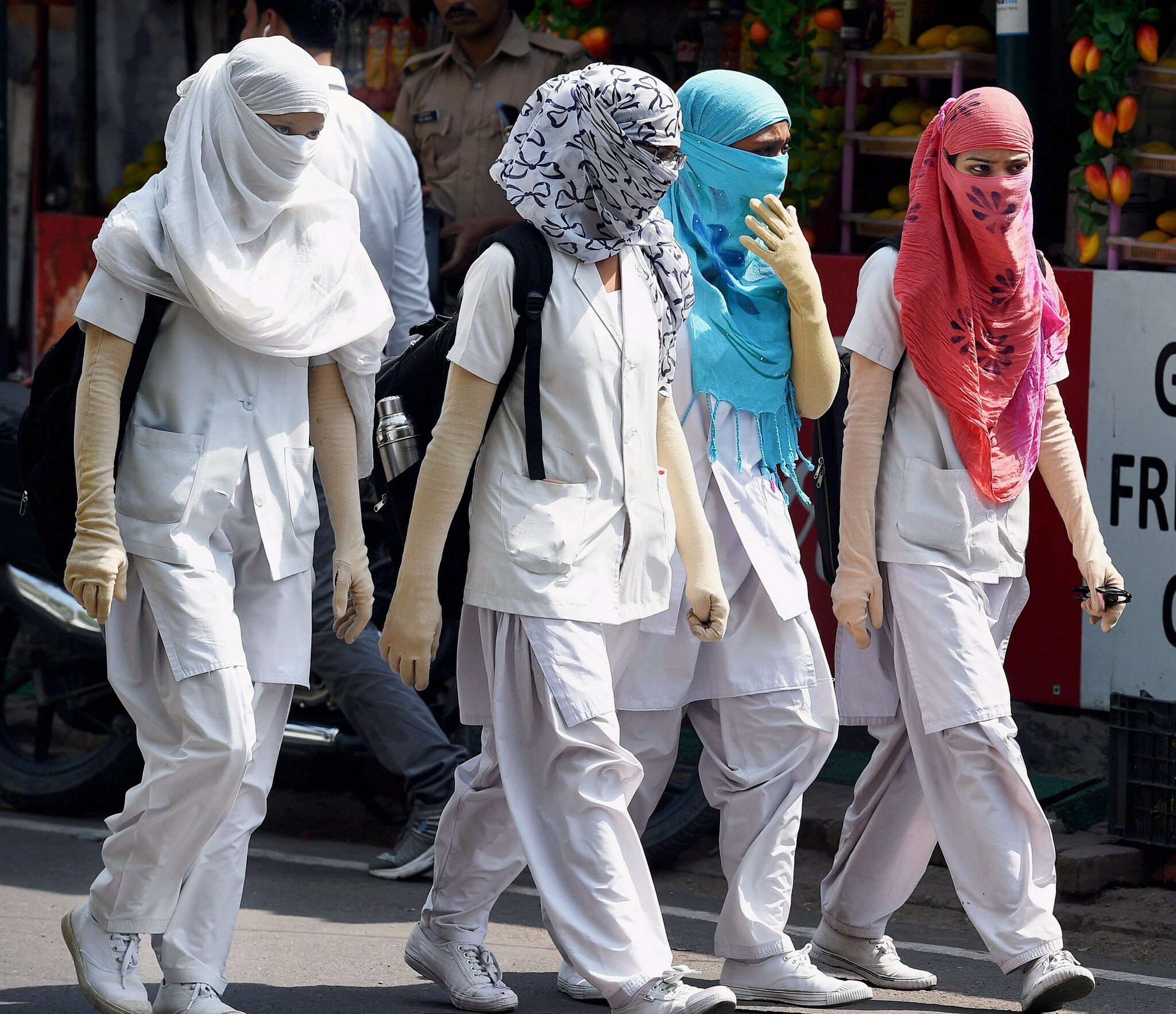
Lucknow (Risk score: 0.68): The City of Nawabs ties with Hyderabad on overall risk. The study gives Lucknow fairly even scores across the board — exposure, vulnerability and coping deficit all around 0.7 — meaning there is no single villain. For residents, that translates to a city where heat, demographics and weak buffers quietly compound each other every summer. (PTI)
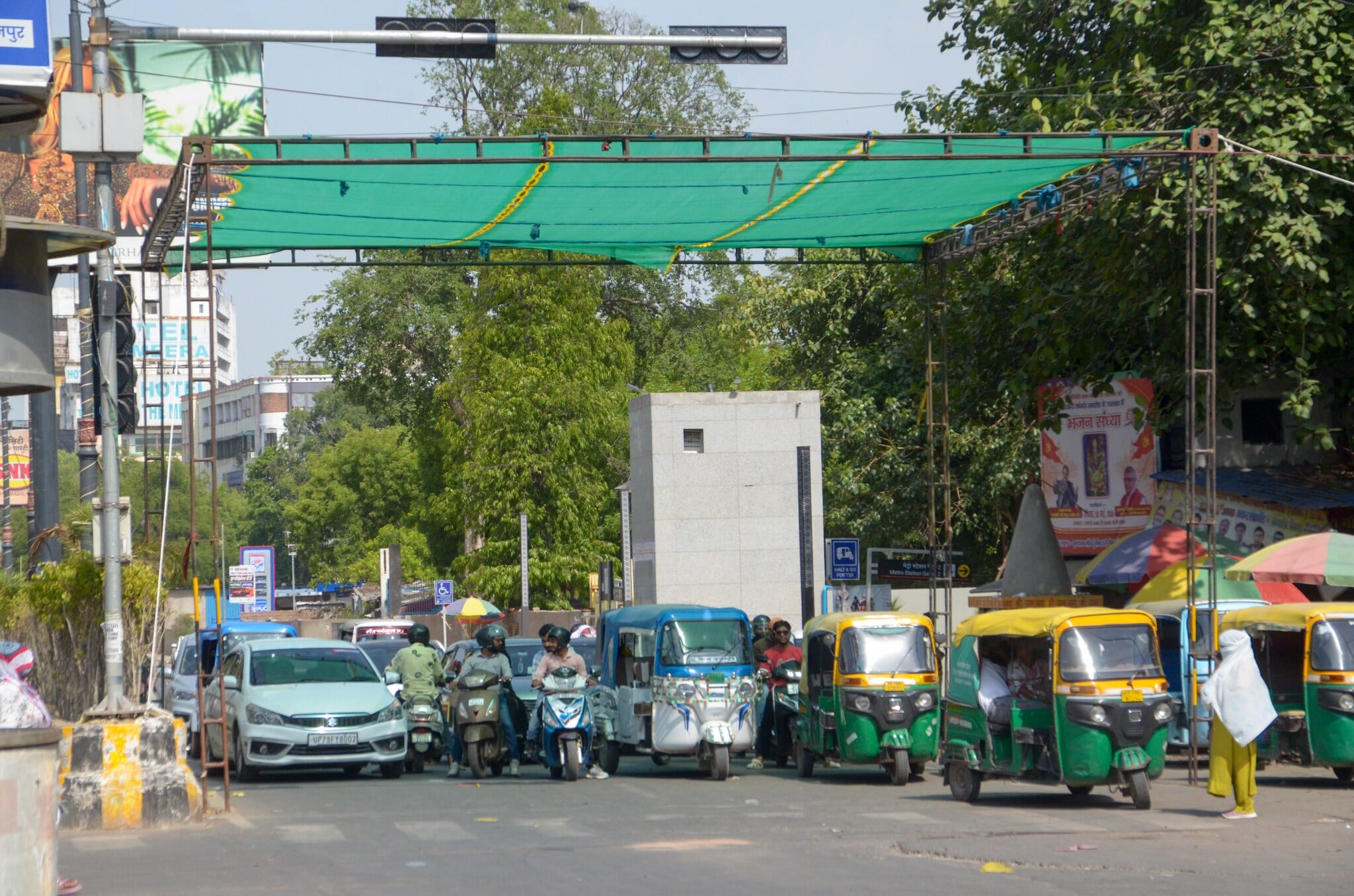
Kanpur (Risk score: 0.67): Uttar Pradesh's industrial hub faces heat exposure of 0.77, among the higher figures on the Indian list. For a city of factory workers, traders and daily commuters — many of whom cannot escape into air-conditioned spaces — the study's message is direct: those who work outdoors bear the heaviest cost of rising heat. (PTI)

Pune (Risk score: 0.66): Pune's pleasant reputation takes a hit in this ranking. With heat exposure at 0.74, the study places it above Mumbai and Chennai on overall risk. The city's rapid expansion into its green fringes may be eroding exactly the kind of natural cooling that once set it apart from other metros. (PTI)
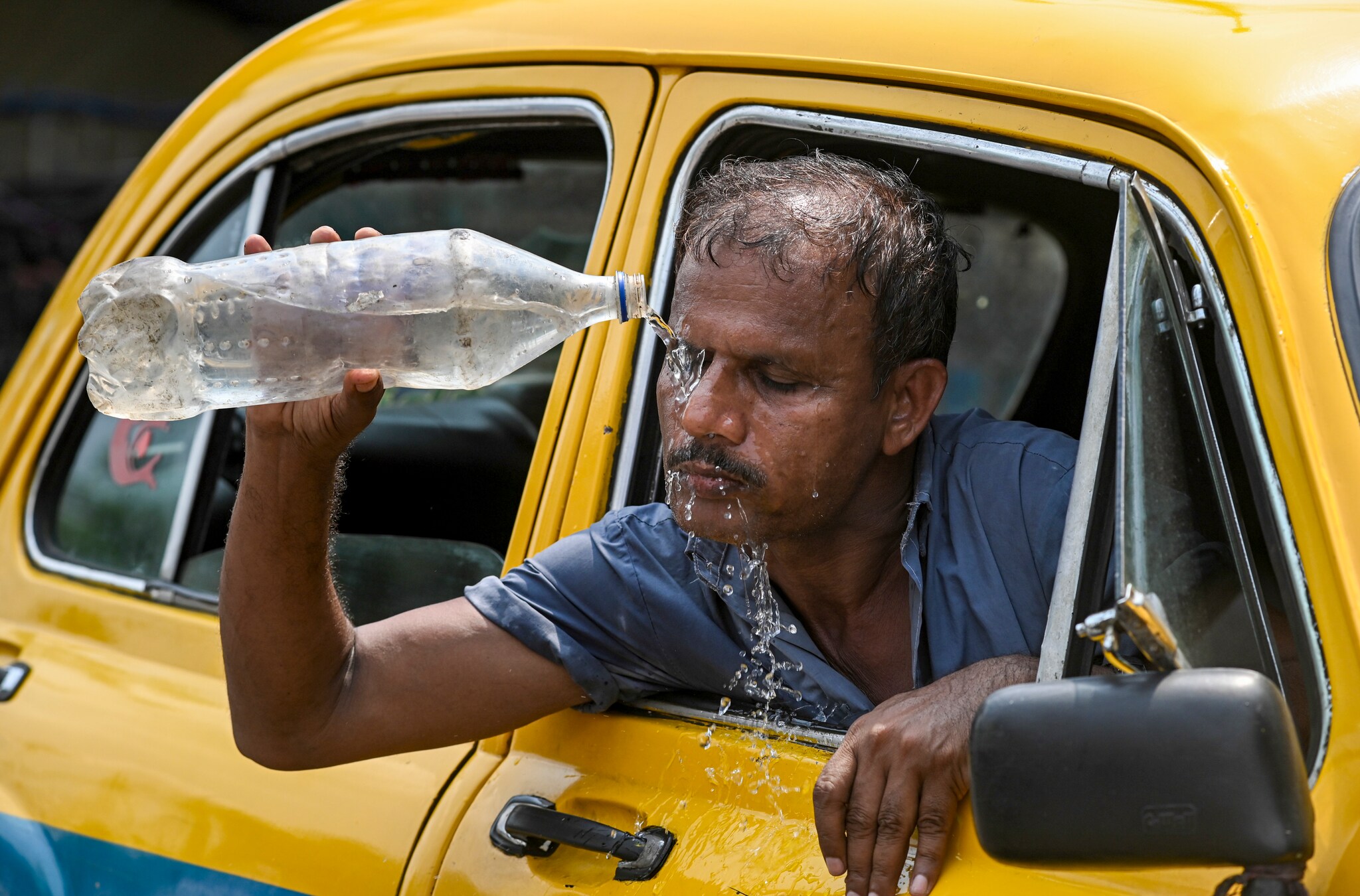
Kolkata (Risk score: 0.66): Kolkata has the highest heat exposure among India's four biggest metros — 0.82 — driven by its brutal combination of heat and humidity, which the study's 'feels-like' measure captures. What keeps its overall risk lower is relatively better coping capacity. But for a city of 1.4 crore people, even a middling score means crores of residents exposed. (PTI)
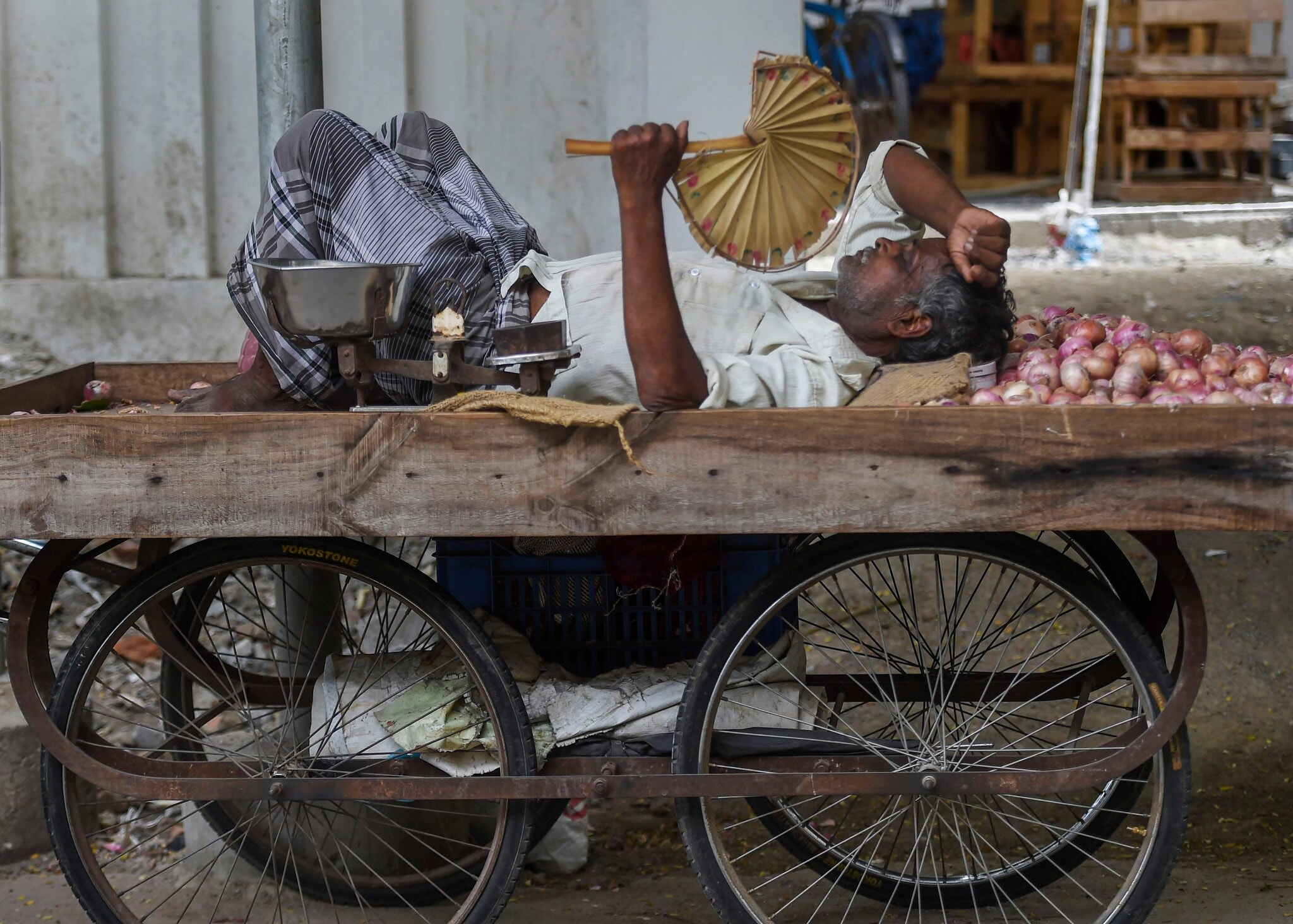
Chennai (Risk score: 0.64): Chennai's coastal humidity gives it a high heat exposure score of 0.79, but the city fares comparatively better on vulnerability and coping capacity, the study finds. The takeaway for Chennaiites: the sweat-soaked summers are real and measurable, but the city has more buffers than many others on this list — for now. (PTI)
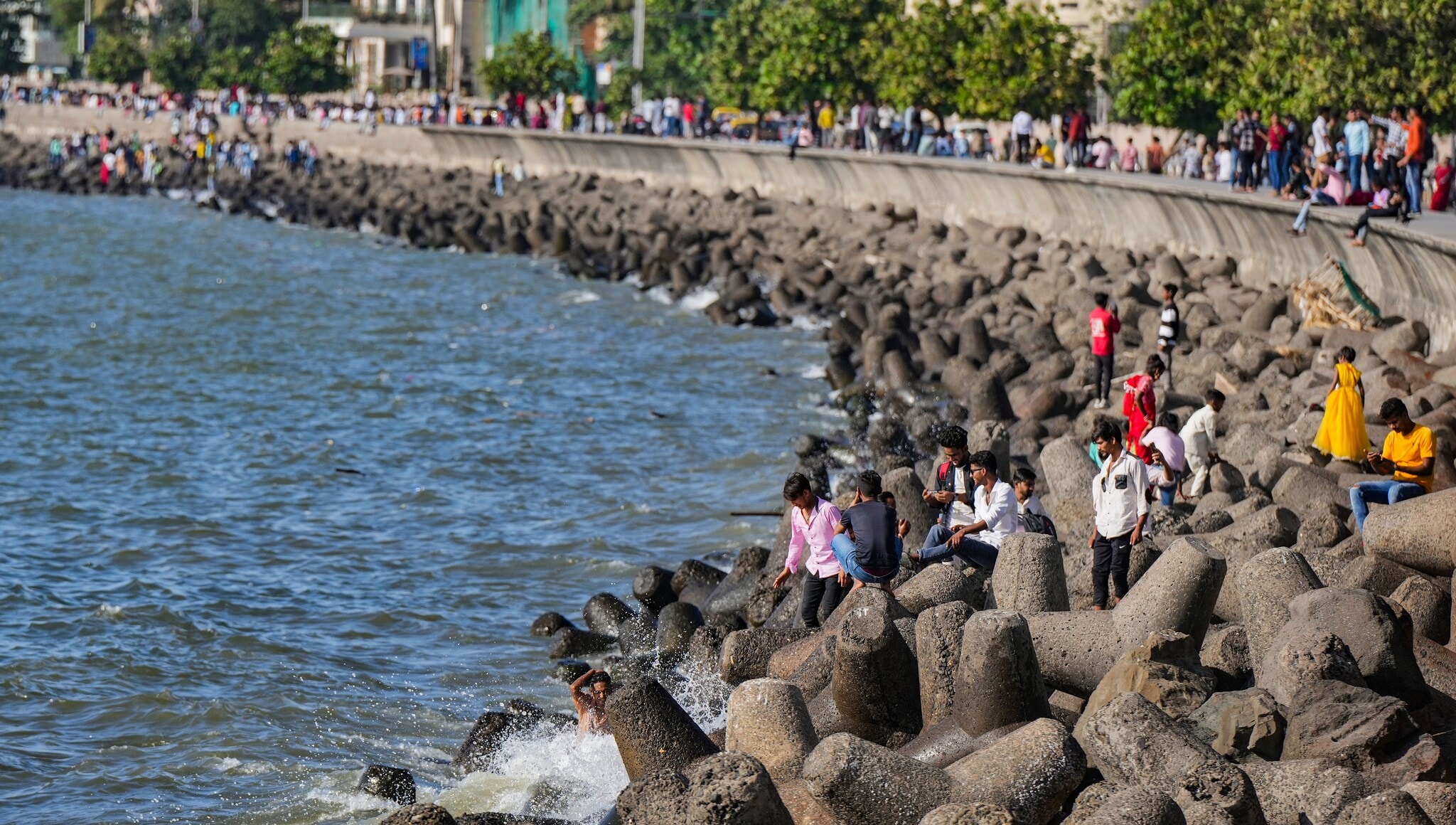
Mumbai (Risk score: 0.63): India's financial capital closes the list with the lowest risk score among the 14 — but that is relative comfort, not safety. With over 1.5 crore people in its urban core, even Mumbai's 'moderate' score covers more exposed residents than most countries have. And as the study notes, city-level scores hide what happens inside slums and informal settlements, where the heat hits hardest. (PTI)









 English (US) ·