

 1 hour ago
5
1 hour ago
5
ARTICLE AD BOX
Last Updated:December 23, 2025, 14:22 IST
Long before playlists and charts, a radio signal from across the sea brought India to a standstill each week. Binaca Geetmala’s journey on Radio Ceylon shaped a golden age of music

Binaca Geetmala was first broadcast on December 3, 1952 and initially, featured just seven songs.
On December 16, 1925, a radio station was launched in Sri Lanka that would go on to leave an extraordinary mark on the Indian subcontinent. Radio Ceylon soon became a household name, especially after the launch of Binaca Geetmala. Despite broadcasting from across the sea, its signal could be heard clearly across India.
When radio announcer Ameen Sayani’s voice announced Binaca Geetmala once a week, life seemed to pause as people gathered around their radios to soak in the music. Yet, the programme’s arrival on Radio Ceylon has a fascinating backstory.
Why Radio Ceylon Stood Out
Even a century later, Radio Ceylon remains remarkable for the sheer power of its transmitter. Although All India Radio (AIR) was already operating in India at the time, its transmission strength was far weaker. As a result, when Binaca Geetmala began airing on Radio Ceylon, the station’s popularity surged dramatically.
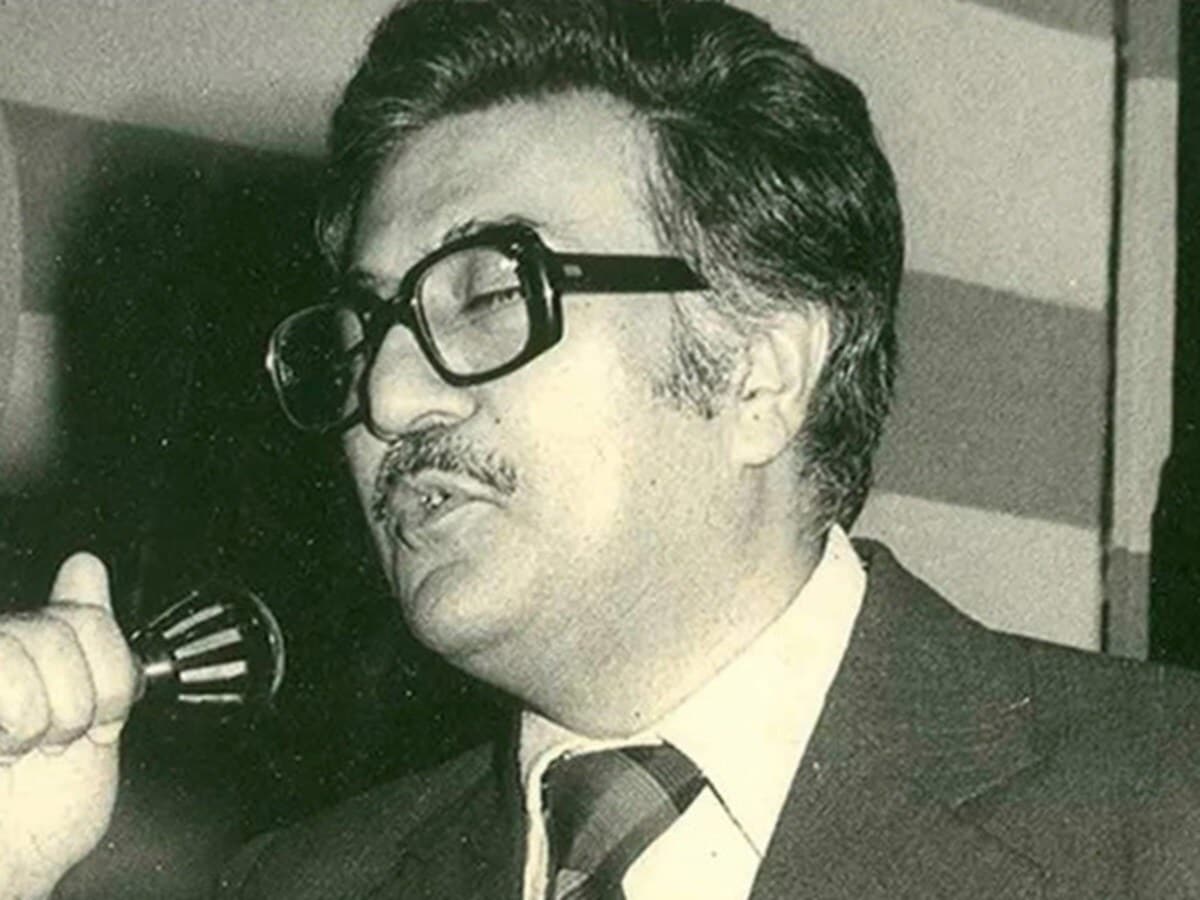
In many ways, Radio Ceylon’s centenary is remembered largely because of Binaca Geetmala.
The station was originally operated by a private entity, the Ceylon Broadcasting Service, before being nationalised in 1967 and renamed the Sri Lanka Broadcasting Corporation (SLBC). By the 1950s, Radio Ceylon had clearly overtaken AIR in popularity across large parts of India.
South Asia’s First Radio Station
Radio Ceylon holds the distinction of being South Asia’s first radio station. It was established in Colombo during British colonial rule. A powerful medium-wave transmitter was installed in Akungama, near Colombo, with an estimated output ranging from 35 kW to 100 kW, exceptionally high for its time.
Its seaside location proved crucial. The flat water surface offered minimal resistance to radio waves, allowing signals to travel vast distances without significant loss of strength.
Initially, broadcasts were mainly in English and local languages, but Hindi programmes were later introduced to appeal to Indian listeners.
A Vast Musical Archive
Marking its centenary, the SLBC stated that National Radio holds Asia’s largest archive of recorded songs, including rare Hindi tracks unavailable even in India, along with a unique collection of recordings of world leaders.
Today, Sri Lanka Radio operates three Sinhala, two Tamil, and one English domestic service, in addition to foreign-language services in Hindi, Kannada, Telugu, and Malayalam.
During centenary celebrations on December 16, a Sri Lankan radio anchor and Hindi announcer recalled that Hindi film songs from the 1960s and 1970s, the golden age of Bollywood music, were so popular in Sri Lanka that Sinhala versions were also produced.
The Launch Of Binaca Geetmala
Binaca Geetmala was first broadcast on December 3, 1952. Initially, it featured just seven songs and had no ranking system. The programme aired every Wednesday from 8 pm to 9 pm on Radio Ceylon.
Listeners eagerly awaited Ameen Sayani’s iconic greeting: ‘Yes, brothers and sisters, I am your friend Ameen Sayani, and you are listening to Binaca Geetmala!’
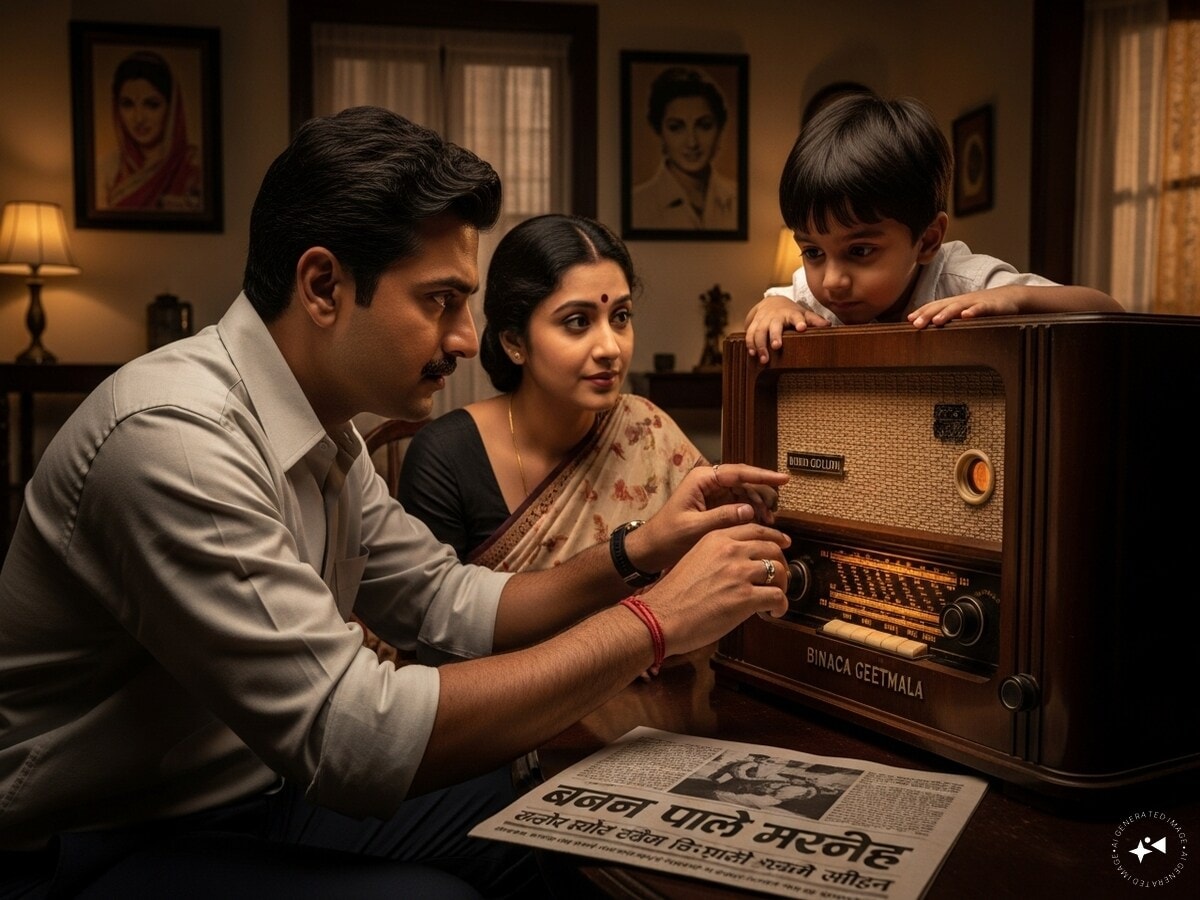
In 1954, the show evolved into a countdown format, further boosting the station’s popularity.
Ameen Sayani recorded his commentary at Filmistan Studios in Mumbai and other studios. These recordings were sent to Colombo by air or sea mail. At the Radio Ceylon studio, Sayani’s commentary was combined with recorded Hindi film songs to prepare the final broadcast.
Why Binaca Geetmala Moved To Radio Ceylon
Although immensely popular in India, Binaca Geetmala could not air on All India Radio in the early 1950s. Hindi film songs were banned by AIR following a decision by India’s Information and Broadcasting Minister, BV Keskar, who labelled them ‘vulgar’, ‘cheap’, and ‘Western-influenced’. He believed such music was corrupting young minds and promoted only classical music instead.
Keskar, an alumnus of Kashi Vidyapeeth with a PhD from the Sorbonne, was a staunch classical music enthusiast. His decision sparked outrage in the film industry. The August 1952 edition of Filmfare described the ban as a direct attack on Indian cinema’s reputation and an attempt to erase film music from public life.
As a result, film songs vanished from AIR, and Radio Ceylon’s popularity in India soared. Programmes like Binaca Geetmala filled the gap. When AIR launched its Vividh Bharati service in 1957, film songs were partially reinstated.
A 36-Year Run On Radio Ceylon
Binaca Geetmala aired on Radio Ceylon from 1952 to 1988. Initially a 30-minute programme, it later expanded to a full hour. The show received anywhere between 35,000 and millions of letters each week, with an estimated listenership of around 20 million.
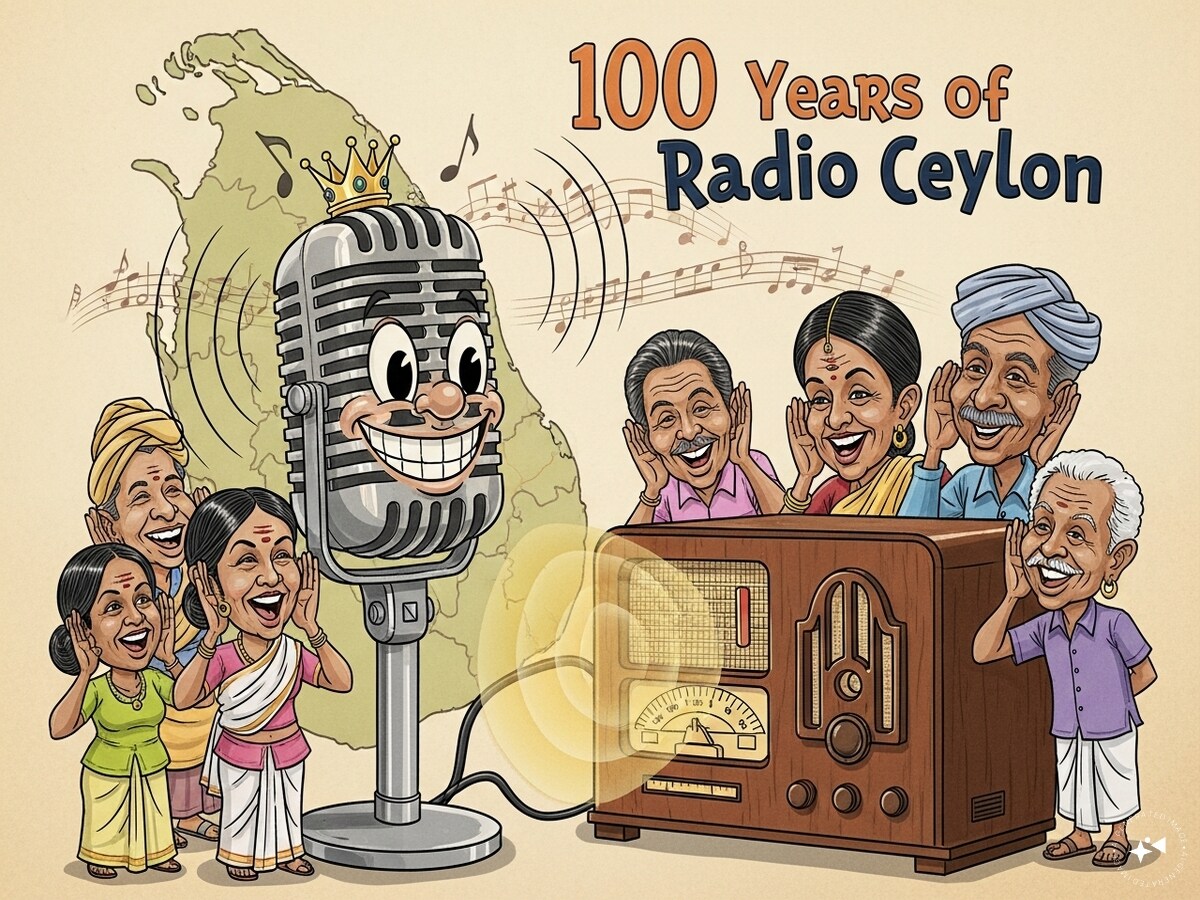
It offered invaluable promotion to filmmakers and musicians, with chart-topping songs driving record sales. The programme also helped expand Bollywood’s reach and provided a platform for emerging artists.
Earnings And Sponsorship
Exact revenue figures remain unknown, but sponsorship deals are believed to have brought in thousands of US dollars. The programme began on a shoestring weekly budget of just Rs 125, including Ameen Sayani’s fee of Rs 25.
Despite its modest beginnings, Binaca Geetmala became an instant sensation. Listener mail surged from 35,000 letters to millions per week. Sponsors such as Binaca paid Radio Ceylon in foreign currency, making it one of Asia’s leading commercial radio stations and enabling it to employ Indian presenters for its Hindi service.
The End Of An Era
In 1988, following a change of sponsor, Binaca Geetmala became Sibaka Geetmala.
A year later, in 1989, the programme moved to All India Radio’s Vividh Bharati service, where it continued until 1994, marking the end of one of the most iconic chapters in South Asian broadcasting history.
First Published:
December 23, 2025, 14:22 IST
News india Binaca Geetmala: The Radio Show India Wasn’t Allowed To Hear, But Did Anyway
Disclaimer: Comments reflect users’ views, not News18’s. Please keep discussions respectful and constructive. Abusive, defamatory, or illegal comments will be removed. News18 may disable any comment at its discretion. By posting, you agree to our Terms of Use and Privacy Policy.
Read More





 English (US) ·