

 2 days ago
6
2 days ago
6
ARTICLE AD BOX
Shoveling snow is a routine winter chore for many, but could it carry hidden dangers for the heart? Scientists have begun uncovering why a cold winter’s day and a shovel might be more dangerous than they appear.
Here we’ll separate fact from myth and examine what research really says about the risks of this seemingly ordinary activity. Let’s find out.Why snow shoveling raises questions
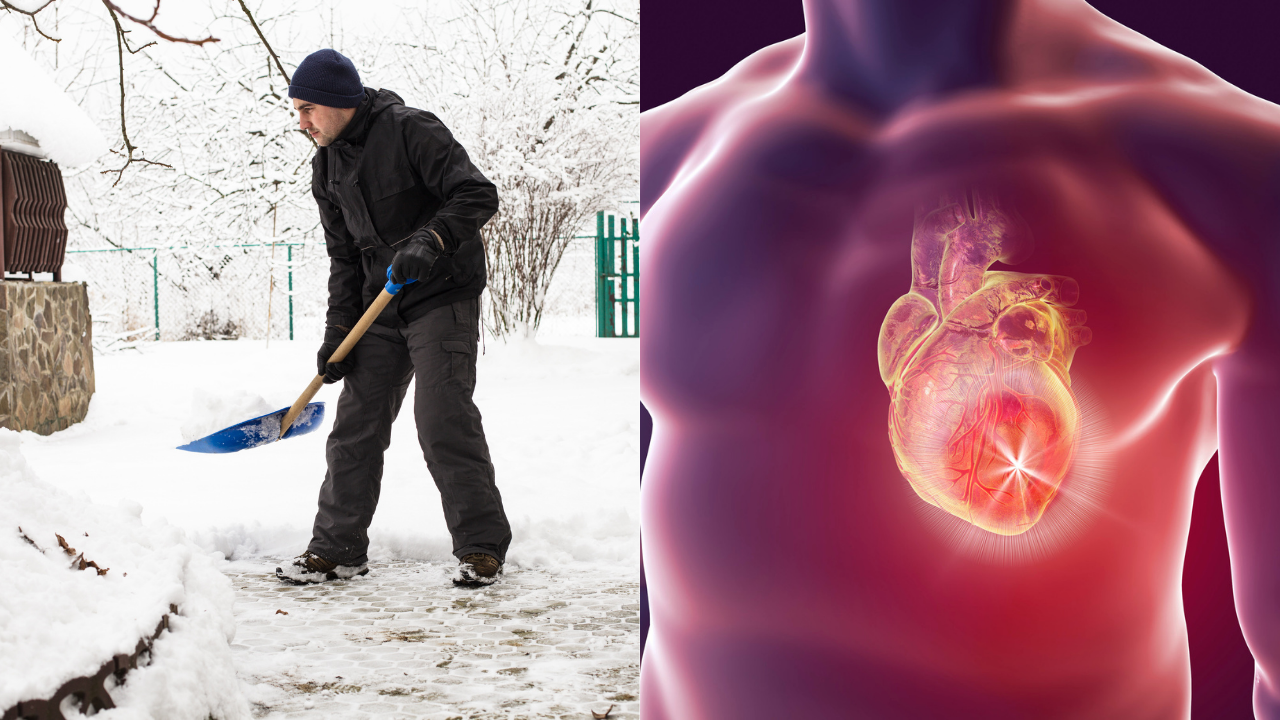
At first glance, shoveling snow seems like harmless exercise, brisk, purposeful, and even calorie-burning. But for some, this everyday winter task can act like a sudden stress test for the heart. The activity involves rapid lifting, twisting, and shoveling heavy, wet snow in freezing temperatures.
This fluctuating chemistry is what raises the alarm.Read also: Vascular Surgeon reveals why healthy arteries get blocked, warns against 5 symptoms that are commonly ignoredWhat evidence says
It uses mostly arms, which is harder on the heartUnlike walking or running, snow shoveling relies heavily on arm and upper‑body strength, not leg muscles. This kind of exertion is more taxing on the cardiovascular system, because the arms require more heart‑power per unit of work than legs do.Cold air tightens arteriesWorking in freezing weather adds a dangerous twist: cold causes blood vessels throughout the body, including coronary (heart) arteries, to constrict.
Who is most vulnerable

According to the American Heart Association, the people most at risk are those who are sedentary, middle-aged or older, or have underlying risk factors such as high blood pressure, obesity, diabetes, smoking, or a history of heart disease. For someone unaccustomed to heavy exertion, tackling a snowstorm in one long session can sharply increase the likelihood of a heart attack. Read also: How to know if your heart is healthy: Simple checks you can do at home
Practical tips for safe snow shoveling
American Heart Association volunteer Barry Franklin recommends the following strategies to practice safe shoveling: Warm up firstBefore stepping outside, do 5–10 minutes of light stretching or marching.
This increases heart rate and prepares muscles for exertion, reducing sudden strain.Avoid long, continuous shoveling sessionsTake frequent breaks, especially if snow is heavy or wet. Work in short intervals to prevent overloading the heart. Use proper techniquePush snow instead of lifting whenever possibleIf you must lift, bend at the knees, not the waist, and lift small amounts at a time.Wear layered clothing and stay hydratedStaying hydrated supports cardiovascular function and overall endurance, and proper clothing protects against cold-induced blood vessel constriction.Listen to warning signsStop immediately if you experience chest pain, shortness of breath, dizziness, or palpitations.









 English (US) ·