

 1 hour ago
3
1 hour ago
3
ARTICLE AD BOX
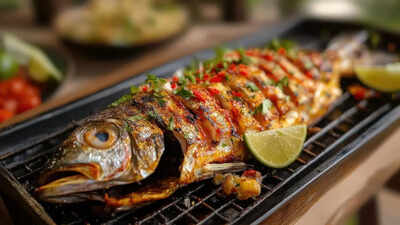
Anyone who has grown up eating freshwater fish knows the drill. You eat slowly. You chew twice. You stop mid-bite because something sharp might be hiding there. Fish is healthy, comforting, familiar, yet somehow stressful.
The bones turn what should be a relaxed meal into a cautious one. This is why many people quietly avoid fish at home, especially when cooking for children or older family members. It is not about taste. It is about fear. That fear is what Chinese scientists are now trying to remove with a bone-free fish created specifically for everyday eating.Fish bones are one of the most common food-related causes of throat injuries worldwide. A peer-reviewed study published in the journal Aquaculture explains how Chinese researchers successfully created a bone-free strain of gibel carp by editing the runx2b gene, which controls the formation of intermuscular bones. The researchers used precise CRISPR gene editing to stop these fine bones from developing while allowing the fish to grow normally. The study confirms that the fish retained healthy skeletal structure, normal growth, and survival rates, but without the tiny bones that make freshwater fish difficult and risky to eat
How China created a bone-free fish for the dinner table
The fish at the centre of this development is the Gibel carp, a freshwater species eaten widely across China.
It is nutritious, affordable, and deeply rooted in traditional cooking. It is also notorious for the number of tiny bones embedded in its flesh. These are not large bones you can spot easily. They are thin, hair like, and often missed until it is too late.Researchers at the Chinese Academy of Sciences focused on understanding why these bones form in the first place. They identified a specific gene responsible for triggering the growth of intermuscular bones.
Using precise gene editing, they switched off that function. The fish still grows normally. Its skeleton remains intact. Only the fine bones inside the flesh no longer develop.This is not a cosmetic change. It does not alter the flavour or texture. It simply removes the most frustrating part of eating the fish.
Why bone-free fish matters to people who love seafood
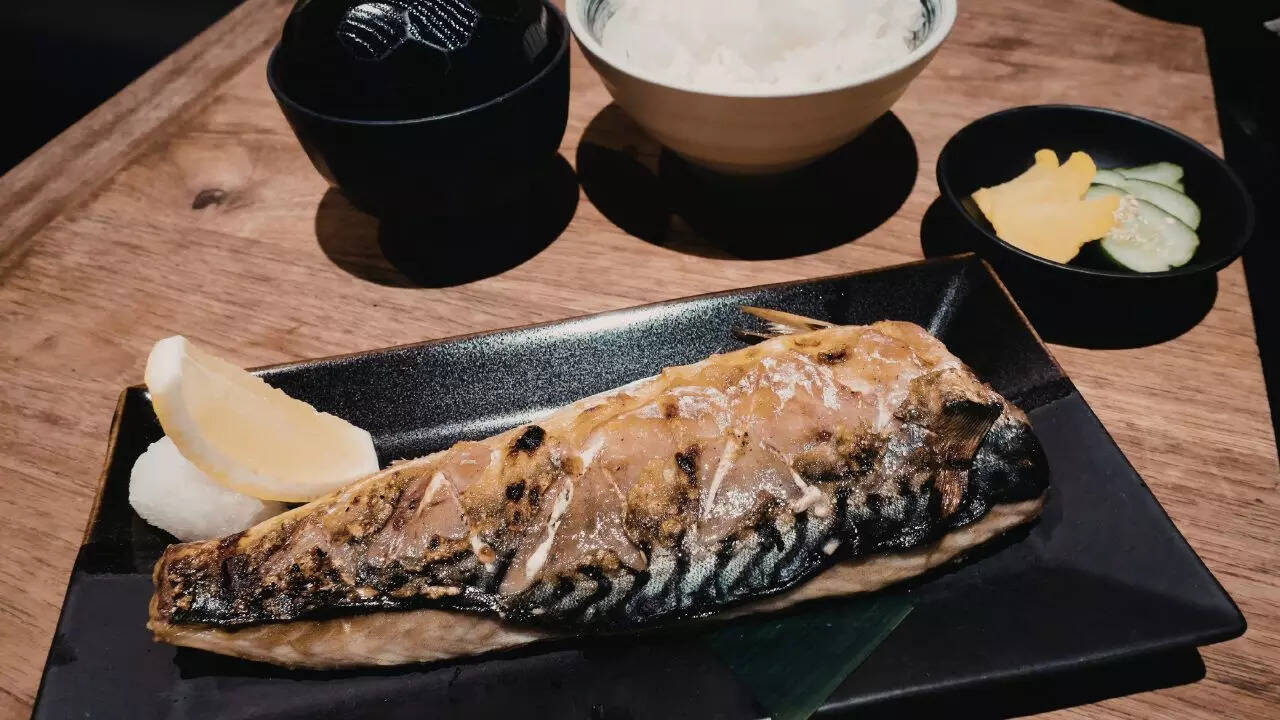
Seafood lovers often say they prefer ocean fish because freshwater fish feel risky. Bone-free fish challenges that idea.
It makes freshwater species easier to cook, easier to serve, and easier to enjoy without constant attention.For families, this matters more than people admit. Parents often delay introducing fish to children because of choking fears. Older adults reduce fish intake despite its health benefits because swallowing injuries can be serious at that age. Bone-free fish lowers those barriers quietly, without changing eating habits or recipes.It also makes shared meals less tense. No warnings at the table. No checking every bite. Just food.
What bone-free fish means for farming and food systems
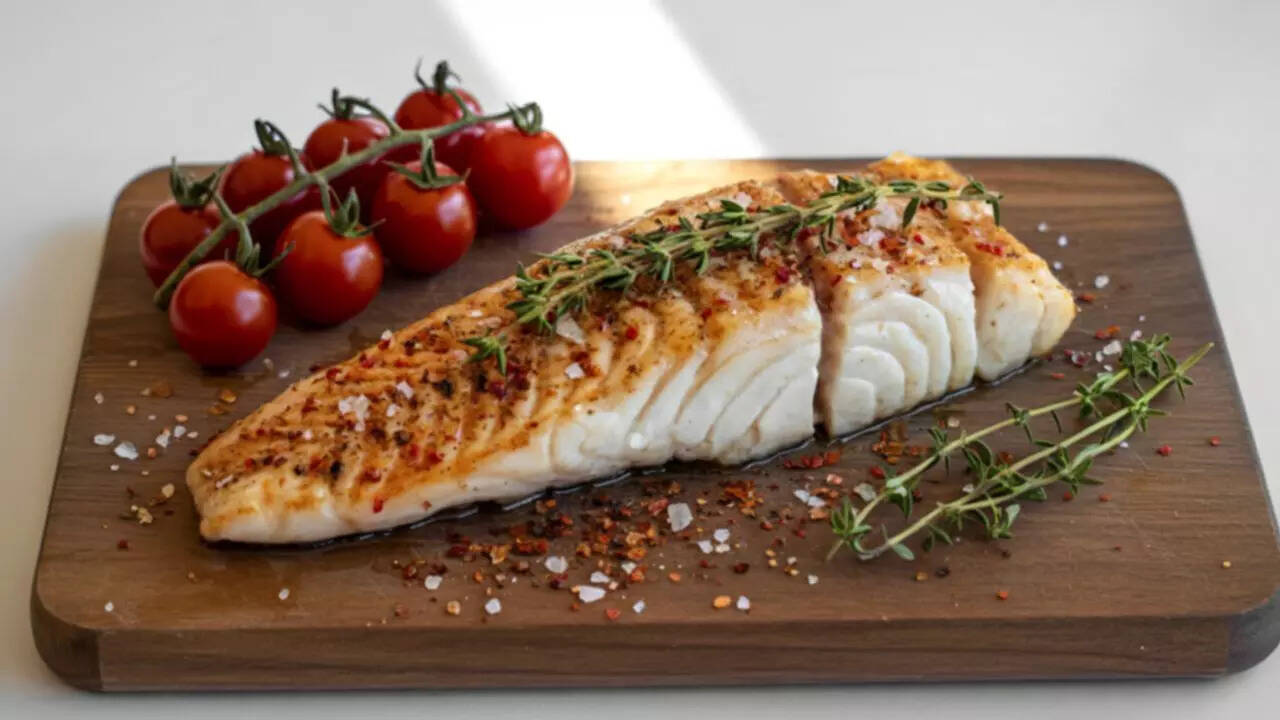
This innovation is not only about the plate. It affects the entire food chain. Removing bones during processing requires time, skill, and labour. When the fish is bone-free from the start, processing becomes simpler, and waste is reduced.The edited fish also shows better resistance to disease and faster growth. That means fewer losses for farmers and more efficient use of feed and water.
In a world where protein demand is rising and resources are limited, these small efficiencies add up.Bone-free fish fits neatly into a future where food is designed to be both nutritious and practical.China creating a bone-free fish is not about novelty. It is about removing a quiet discomfort people have lived with for generations. It keeps the taste, the nutrition, and the cultural connection intact while taking away the anxiety.For seafood lovers, this could mean eating fish more often, cooking it more confidently, and finally enjoying it without hesitation. Sometimes progress is not louder or bigger. Sometimes it is simply smoother, safer, and easier to swallow.Disclaimer: This content is intended purely for informational use and is not a substitute for professional medical, nutritional or scientific advice. Always seek support from certified professionals for personalised recommendations.Also read| How eating strawberries in winter supports immunity, heart health and digestion









 English (US) ·