

 1 hour ago
6
1 hour ago
6
ARTICLE AD BOX
Bengaluru: After Infosys, Cognizant has encouraged employees to adopt BYOF (Bring Your Own Food) wherever feasible, as part of efforts to reduce reliance on office cafeterias while it monitors the evolving situation linked to the West Asia crisis.
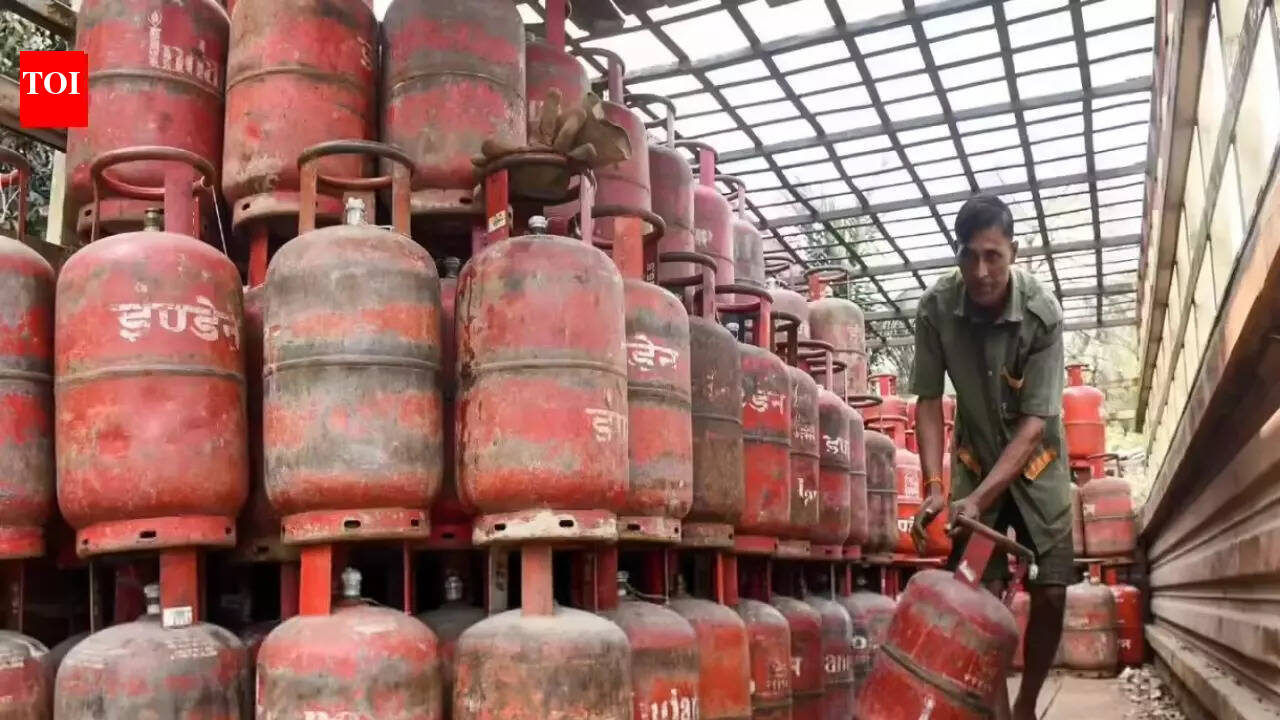
The advisory comes as tensions in the region begin to ripple through global energy markets, particularly affecting shipments of oil, LNG and LPG moving through the Strait of Hormuz. Cognizant said it is preparing for possible disruptions driven by price volatility, supply prioritisation and strain on vendors.As part of contingency planning for facilities and food services, Cognizant has pre-identified alternate food vendors that do not rely on commercial LPG, including those using induction or solar-based cooking.
The company is also exploring partnerships with cloud kitchens operating on electric or solar power to meet meal requirements if conventional supplies are disrupted.According to an internal impact assessment reviewed by TOI, the company said the current situation does not indicate an immediate disruption but could evolve into a prolonged period of operational pressure. “The risk is not a sudden outage scenario, but a prolonged stress environment,” the document noted, pointing to factors such as commercial fuel pricing, LPG availability for commercial purposes and third-party vendor resilience.
The assessment identifies cafeteria and food services as the most vulnerable areas. Cognizant said there is a “high likelihood of intermittent disruption to cafeteria and food services where there is heavy dependence on commercial LPG.” The note also highlighted that many locations have “limited electric or induction-based kitchens to fall back on,” increasing reliance on LPG supply.Transport services are another area being closely monitored.
The email to employees noted a “moderate risk of service strain” in commute operations due to fuel cost escalation impacting cab and shuttle vendors, and the “potential reduction in fleet availability if vendors throttle operations.”However, Cognizant clarified that “no immediate service suspension [is] expected, but vendor resilience varies by city and contract model.”To prepare for potential disruption, the company is evaluating the deployment of electric vehicles for employee commute, while also planning to rationalise routes and avoid low-occupancy shuttles to reduce fuel consumption.
The document further suggests enabling “WFH / hybrid arrangements for non-critical roles to reduce commute exposure.”Operationally, the company said the risk to its technology delivery operations remains minimal. “Low operational risk at present,” the email states in its assessment of IT and delivery services, though it cautions that prolonged energy volatility could increase reliance on work-from-home infrastructure, VPN (virtual private network) access and internet service redundancies.Cognizant is also maintaining diesel reserves for generator operations and tracking early warning indicators such as LPG refill restrictions, diesel price changes and logistics advisories. The company said it will continue monitoring the situation and strengthening vendor checks to preserve delivery stability.When TOI reached out to Cognizant, the company's spokesperson said, “A this point in time, it is business as usual. In line with standard business continuity practices, Cognizant regularly engages in scenario planning. By anticipating and preparing for potential challenges, the company remains committed to ensuring uninterrupted service for all stakeholders.”






 English (US) ·