

 1 week ago
10
1 week ago
10
ARTICLE AD BOX

As the country prepares to celebrate Holi, a new drama is turning the spotlight on a contradiction embedded in everyday life. Rang Nahi Soch Badlo, directed by Deboprasad Haldar, confronts India’s long standing obsession with fairness and the subtle prejudices tied to skin tone.The film stars Anujoy Chattopadhyay and Ankita Das, and has been produced by House of Vision Studios. Positioned as a social drama, the narrative explores how colourism operates not through overt hostility but through casual remarks, preferences and cultural conditioning.The story follows a young man grappling with the psychological weight of unspoken bias in modern India, where fairness is often subconsciously equated with success, desirability and dignity.
What appears to be harmless commentary gradually becomes a deeply personal crisis, eroding confidence and self worth.

Filmmaker Deboprasad Haldar
Speaking about the film’s intent, Deboprasad Haldar said, “As a society, we often believe racism is loud, existing only in extreme acts or explicit hatred. But in India, it frequently operates in whispers. It lives in casual remarks, matrimonial preferences and the way beauty and success are visually defined.”
He added that the film seeks to examine how subtle colour bias seeps into an individual’s consciousness over time. “My protagonist’s crisis is not merely external conflict. It is the internal erosion of confidence caused by years of normalised prejudice. Through this story, I wanted to hold up a mirror, not to accuse, but to initiate reflection.”To be screened at various short film festivals, the film deliberately aligns itself with the festival’s symbolism. Holi celebrates every shade, yet social attitudes towards complexion often remain unchanged beyond the festivities. The film frames this irony with a central question: if colour is embraced for a day, why does discrimination return the next morning?
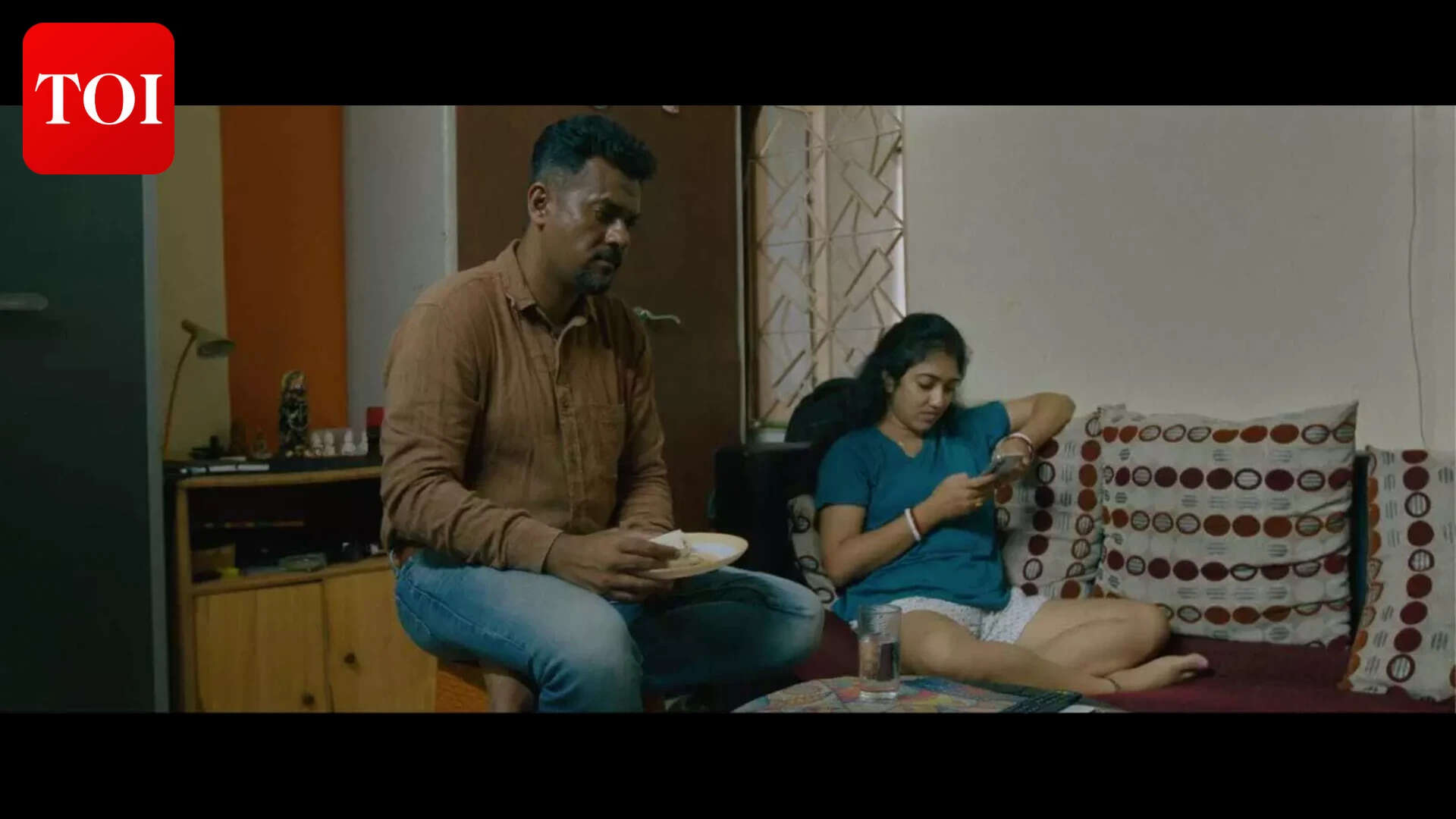
A still from the film
Rather than adopting a confrontational tone, Rang Nahi Soch Badlo highlights the quiet, pervasive nature of colourism, visible in beauty standards, matrimonial advertisements and media representation.With its release timed to the season of colours, the film attempts to provoke conversation around inherited notions of beauty and the unseen emotional cost of prejudice.







 English (US) ·