

 1 hour ago
8
1 hour ago
8
ARTICLE AD BOX

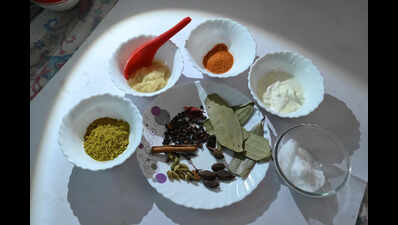
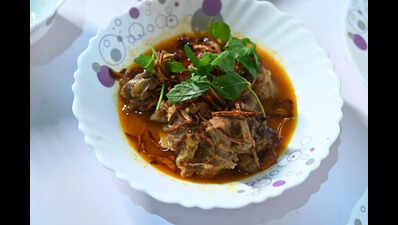
Bhopal: Cities don’t define food; it’s the other way round. Even the idea of a “melting pot” feels inaccurate for a city like Bhopal, says noted cultural historian Pushpesh Pant. He says it is closer to several culinary streams running alongside each other, sometimes intersecting, but never fully merging.“There is a very strong local, Afghani and Rohilkhand impact on Bhopali food,” he says. “But people forget where Bhopal exists. It exists in the heart of India.”Bhopal’s culinary story is often traced to its Nawabi past, but that reading misses its depth. The city was shaped not only by rulers and courts but also by the region around it.Pant points to the Begums themselves as an influence on the city’s food culture. Known for their marksmanship, they were said to hunt and even shoot fish in the lakes around Bhopal, a skill he describes as requiring remarkable precision.
He says the fish preparations associated with Bhopal developed a character of their own.The Begums were also attentive to the communities around them. Pant notes that food traditions of tribal groups, including Gonds living around the princely state’s boundaries, found their way into Bhopal’s culinary landscape. Techniques travelled with cooks and attendants from across the country. And preparations involving dried and rehydrated meat, for instance, became part of the broader food culture.
Over time, these influences settled into everyday cooking across households. The result was not a single style, but multiple layers coexisting.Bhopal’s food evolved through constant movement. Families from Banaras, Allahabad, Rajasthan and Kashmir brought recipes that slowly entered local kitchens. Some remained close to their origins, others changed as they adapted to new surroundings.Dishes such as aloo korma travelled through these routes, shifting shape as they settled into Bhopali homes.
Pant describes Bhopali cuisine as sitting between extremes. “It is not as robust as Rampur’s food. Nor is it as delicate as Lucknow’s,” he says.In older parts of the city, that rhythm still defines everyday cooking. The air fills with frying onions, warming spices and gravies thickening over time. Patience is both a skill and technique employed in Bhopal.At Jehan Numa Palace Hotel, chef Narayan Prasad Pandey says diners continue to return to traditional dishes despite changing tastes.
Rezala and Korma remain among the most requested items on the menu, even as recipes are adapted for contemporary diners.He notes that while biryani and nihari exist across northern India, Bhopal’s versions carry a distinct balance shaped by local preference.Street food, too, grew alongside household cooking, forming another layer of the city’s food identity. Kebabs became everyday fare, eaten across neighbourhoods in quick, filling portions that cut across class and occasion.Pant recalls that the legendary murg musallam prepared by Bade Miyan of Madina Hotel had admirers well beyond the city. Among them, he says, was former PM Atal Bihari Vajpayee, for whom the dish was occasionally dispatched from Bhopal.Old establishments such as Jameel Hotel became part of the city’s food memory as well. Pant speaks fondly of its distinctive ‘ishtu’, which drew loyal customers for decades. He remembers his son once missing a train after insisting on staying back to eat the dish when it was not yet ready.Pant also remembers Hakeem, an old eatery known for its korma. As New Bhopal expanded and the city’s historic core receded from everyday attention, he says, places like Hakeem helped keep older culinary traditions alive.Today, Bhopal’s food landscape includes cafés, hotel dining rooms and global chains. Yet older dishes continue to anchor its culinary identity.








 English (US) ·