

 4 days ago
12
4 days ago
12
ARTICLE AD BOX

In her enlightening guide, Dr. Deepti Sinha sheds light on five overlooked indicators of ear health that should not be dismissed: consistent ear pain, changes in hearing ability, ringing in the ears (tinnitus), episodes of dizziness, and unusual ear discharge. Consulting an ENT specialist early can avert severe issues like infections that may threaten brain or bone health.
I have often observed how easily people overlook early warning signs related to their ears. Many patients seek medical help only when their problems worsen, sometimes reaching a stage where treatment becomes more complicated.
The ears do more than just hear; they are closely linked to balance, brain function, and overall well-being. Recognizing early symptoms and seeking timely medical care can prevent long-term damage and even serious complications. Here are five important signs that indicate your ears may need a professional health check.Persistent ear pain or discomfort should never be ignored. A feeling of fullness, blockage, or ongoing dull ache might come from impacted earwax, fungal infections, middle ear infections, or issues with the eustachian tube.
In people with uncontrolled diabetes, ear infections can be particularly risky. Such patients are at risk of developing malignant otitis externa, a severe infection that can spread to the temporal bone and lead to skull base osteomyelitis, a life-threatening condition.
Chronic middle ear infections, such as unsafe CSOM, can damage delicate hearing bones and, in advanced cases, lead to serious complications like meningitis or brain abscess.
The good news is that treatment is much simpler and more effective when ear diseases are detected early.Hearing loss is another important warning sign. If you often ask others to repeat themselves, increase the television volume, or find it hard to follow conversations in noisy places, it’s time to get a hearing evaluation. In seniors, hearing assessments should be part of an annual health check, especially for those with high blood pressure, diabetes, or kidney disease, as these conditions can speed up hearing decline.
Hearing loss may also suggest middle ear problems like secretory otitis media or chronic infections. Structural issues such as perforated tympanic membranes or ossicular erosion can often be fixed through microscopic ear surgery. Sudden sensorineural hearing loss, which can happen after a viral infection or cold, is an emergency and requires immediate treatment to improve recovery chances.
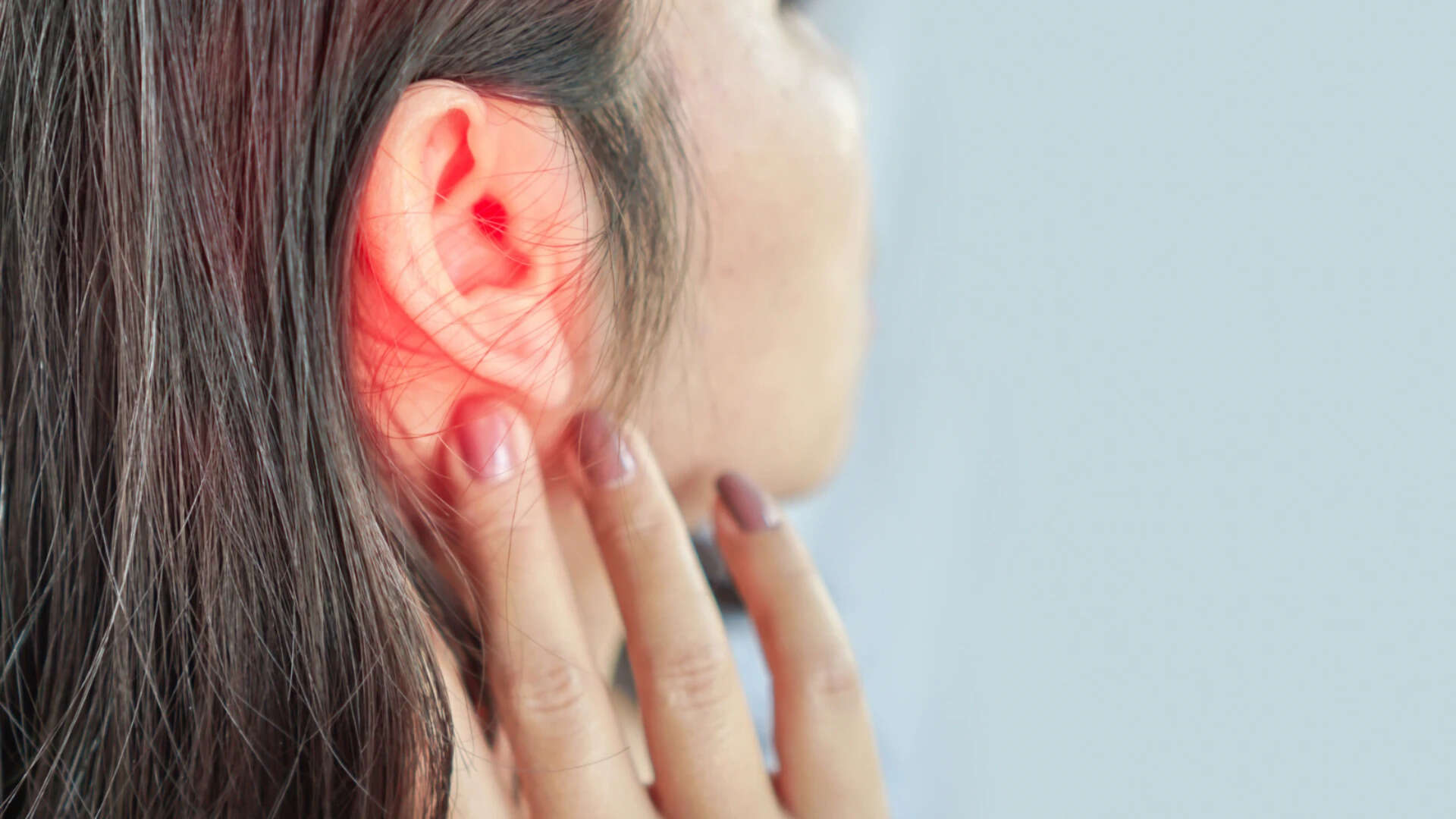
ear infection
Ringing, buzzing, or strange sounds in the ear, known as tinnitus, can greatly affect your quality of life.
Tinnitus may be linked to inner ear disorders, damage to the auditory nerve, prolonged noise exposure, or circulation problems. While it may seem minor at times, persistent or worsening tinnitus should always be checked. Identifying and treating the underlying cause can help manage symptoms and prevent further issues.Dizziness, vertigo, and balance problems often relate to inner ear disorders. The inner ear is crucial for maintaining balance.
Conditions like vestibular neuritis, positional vertigo, or labyrinthitis can cause spinning sensations, nausea, and instability. Though these issues can be bothersome and debilitating, quick diagnosis and proper treatment usually lead to significant improvement.Finally, discharge, itching, bad odor, or visible debris from the ear are clear indicators of underlying problems. These symptoms may indicate infection, a perforated eardrum, or even a foreign object stuck in the ear canal.
In children, items like beads, crayons, or button batteries are commonly found. Trying to remove such objects at home can cause more harm. A trained ENT specialist can safely evaluate and manage the problem.Don’t wait for symptoms to get worse. Early consultation makes treatment simpler, prevents complications, and protects your hearing. Maintain good ear health by avoiding cotton buds, protecting your ears from loud noises, keeping them dry, and scheduling regular check-ups, especially after the age of 50. Your ears are valuable; timely care can preserve them for life.







 English (US) ·