

 1 hour ago
4
1 hour ago
4
ARTICLE AD BOX
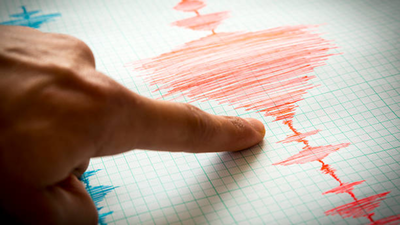
A 5.6 magnitude earthquake hit Northern California Wednesday morning. The quake struck around 8:10 a.m. PT, centered about seven miles north of Redwood Valley, near the town of Willits, USA today reported.
The U.S. Geological Survey put the depth at roughly five miles, based on an 8.1-kilometer measurement. Willits sits in one of the more seismically active corners of Northern California, sitting near the Maacama Fault and not far from the Mendocino Triple Junction, where several tectonic plates grind against each other. USGS mapping shows California has more than a 95% chance of seeing at least a moderately damaging quake sometime in the next hundred years. The last significant quake in California, meaning 6.5 or higher, or one that caused deaths or serious damage, was the 6.4 magnitude earthquake near Ferndale back in December 2022, which indirectly caused two deaths and damaged homes and roads in Humboldt County. So Wednesday's quake, while strong, falls a notch below that threshold.A new research about California's fault lines was published a few days ago. Scientists at the University of Hawaiʻi at Mānoa found that stress along the San Andreas and San Jacinto fault systems has reached the highest level recorded in the past thousand years.
The lead researcher said the stress driving major earthquakes has been building steadily since 1857, and her team's model shows it's now exceeded anything seen in a millennium of earthquake history.
How bad is a 5.6 earthquake, really?
A magnitude 5.6 earthquake is strong enough to genuinely scare you. Cracked plaster, pictures falling off walls, dishes rattling out of cabinets, and the occasional power outage can happen if the shaking hits near substations.
USGS classified this week's 5.6 quake near Mendocino County with a yellow impact alert, meaning some damage is possible. So why does it feel so intense at the moment? Depth and distance matter a lot more than people realize. This particular quake hit about five miles deep, which is shallow enough to deliver a sharp, immediate jolt rather than a slow rolling one. Shallow quakes punch harder even at the same magnitude.
What to actually do once the shaking stops
First, don't bolt for the door right away. Most injuries during earthquakes happen from falling objects, not collapsing buildings, so give it a few seconds and make sure the shaking has actually stopped before you move.Once it has, check yourself and the people near you for injuries before anything else. Then check for gas leaks, you'll usually smell it before you see anything, and shut off the gas line if you do. Don't light candles or flip light switches until you're sure there's no leak.Expect aftershocks. They're normal, they're usually smaller, and they can rattle nerves more than the windows. Keep your phone charged if you can.Have a flashlight somewhere you can find in the dark. Know where your gas shutoff valve actually is.









 English (US) ·