

 1 day ago
2
1 day ago
2
ARTICLE AD BOX
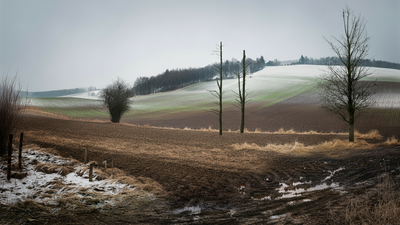
Europe's winters are significantly shrinking, with snow seasons starting later and ending sooner. A six-century study reveals unprecedented modern decreases in snowfall, particularly in December and January, now down by 20%.
Europe’s winter landscapes are changing as snow cover declines. December typically brought predictable snowfall that blanketed fields, forests and mountains, affecting many activities across Europe.
But Europe’s weather and climate records show a significant change in winter conditions.The change appears to reflect longer-term shifts rather than normal year-to-year variation or short regional warm spells. The study found that the winter season has shrunk considerably at both ends. In other words, the snow season starts later and ends sooner. As snowpack shrinks, the effects spread through ecosystems, freshwater supplies and seasonal patterns.A six-century overview reveals unprecedented modern decreasesTo assess how unusual the decline is, scientists examined historical records that predate satellite observations. Indeed, in an environmental paper titled Unprecedented ongoing shrinkage of European winters revealed by a six-century snow cover reconstruction, published in Communications Earth and Environment, specialists recreated a picture spanning six centuries. The findings suggest that the decrease in snowfall is the largest in the six-century record.
The reconstruction found a sharp drop in snow cover during the peak winter months. The research suggests that snow cover in December and January has fallen by up to 20% compared with past levels. As a result, winters are more fragmented, with sub-zero temperatures no longer producing the lasting snow cover seen year after year. Instead of a steady snow layer, winter snow in Europe now melts quickly when temperatures rise unexpectedly.
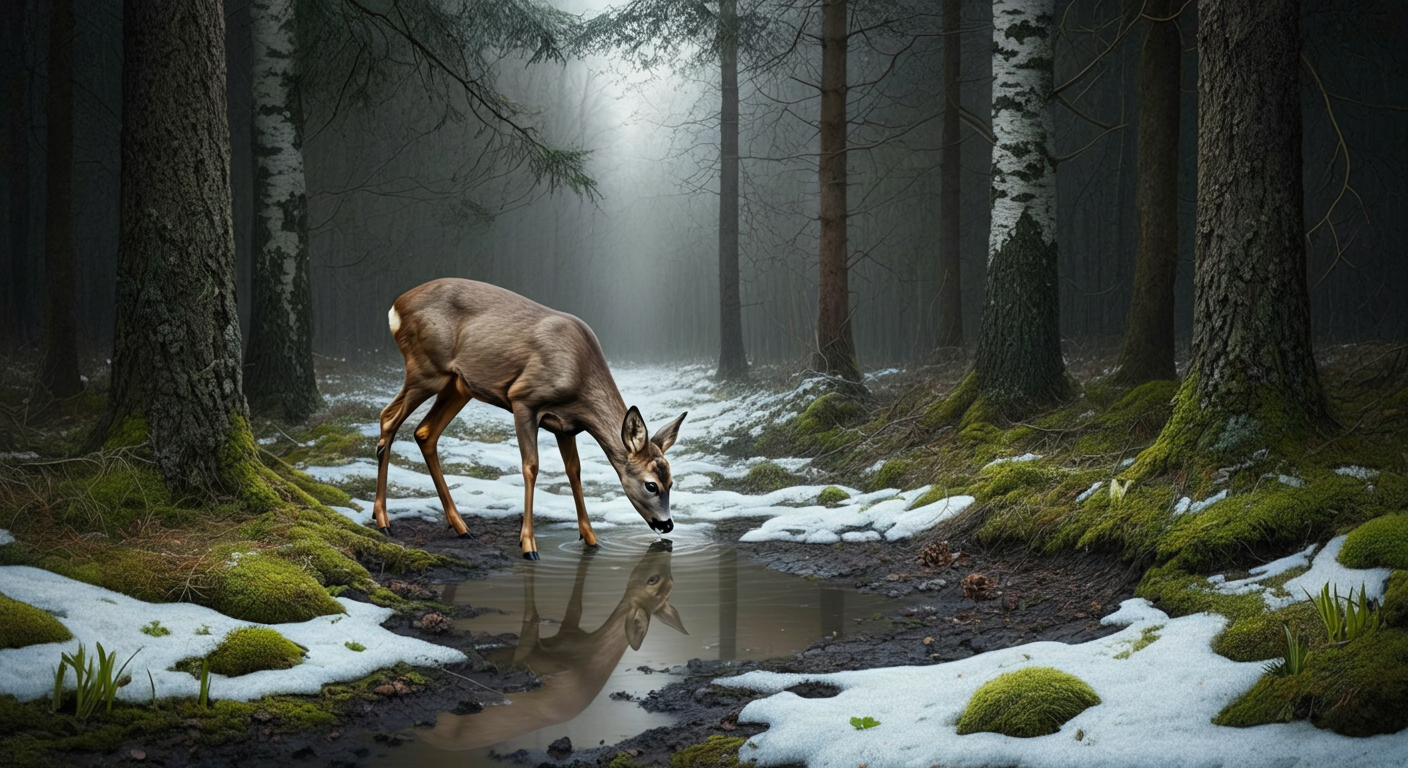
Spring months face even greater losses, up to 30%, impacting water supplies, wildlife, and flora. This historical record confirms climate change is altering long-standing seasonal patterns across the continent.
The drastic drop in snowfall in the spring and its effectsIt is quite true that the reduction in the initial winter months has been drastic, but it appears that the spring season is facing an even greater threat to the environment, according to the findings from the study. According to the data, April and May have seen snow cover losses of up to 30%. Rapid spring snowmelt can cause mountain and northern regions to lose snow earlier in the year, reducing the gradual release of water into rivers.Early spring snowmelt also affects wildlife and people. It should be noted that premature melting of snow leads to lower moisture in the soil, which may lead to drought before the summer period begins and affect the flowering pattern of local flora. Heat will adversely influence the forest areas dependent on slow meltwater because they may experience extreme temperatures that change the biodiversity of a particular area.
This historical record shows that European winters are getting shorter and that climate change is altering long-standing seasonal patterns.








 English (US) ·