

 39 minutes ago
2
39 minutes ago
2
ARTICLE AD BOX
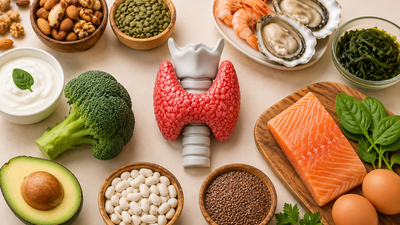
World Thyroid Day is observed every year on May 25th, 2026. The thyroid is a small butterfly-shaped gland that is a part of the endocrine system and is present at the front of the neck, just below the voice box.
It is responsible for producing and releasing thyroid hormones such as triiodothyronine (T3) and thyroxine (T4). It is mainly responsible for the body’s metabolism, the process by which food consumed is converted into energy needed by all the cells in the body to function. Thyroid hormones also help in cell repair and growth. The bodily functions that are most affected by thyroid hormones are cardiovascular system, digestion, breathing, nervous system, body temperature, mental activity, fertility, skin and bone maintenance.Thyroid disease is of mainly two types - hypothyroidism (underactive thyroid) and hyperthyroidism (overactive thyroid). Hypothyroidism is a condition in which enough thyroid hormones are not produced by the thyroid gland, and can lead to a slowdown of the body's processes. It can result in symptoms such as constant fatigue or tiredness, unexplained weight gain, dry skin, depression or low mood, constipation, puffy face, slow heart rate, and intolerance to cold.
Hypothyroidism is mostly caused by Hashimoto’s disease, which is a lifelong autoimmune condition resulting in an underactive thyroid. Iodine deficiency is also one of the main causes behind hypothyroidism, since the thyroid gland requires iodine for making thyroid hormone, and a lack of it also results in goiter or an enlarged thyroid. Hypothyroidism is more common in women, and the risk is higher during life stages such as pregnancy and menopause.Hyperthyroidism is often associated with Graves’ disease, which causes an overactive thyroid gland, thyroid nodules, and excessive iodine. Other conditions which are associated with both hypothyroidism and hyperthyroidism are thyroiditis, or an inflammation of the thyroid gland, and postpartum thyroiditis. Hyperthyroidism is caused when excessive thyroid hormones are produced by the thyroid gland, resulting in an overactive metabolism and symptoms such as irregular or rapid heartbeat, increased sweating, intolerance to heat, irritability or nervousness, unexplained weight loss, shaky hands, digestive disorders, and trouble in sleeping.As per the Indian Thyroid Society, nearly 42 million people in India have thyroid issues. The theme for World Thyroid Day this year is ‘Thyroid and Nutrition’, emphasising the connection between what we consume and the way our thyroid functions.An imbalance in nutritional intake can result in thyroid dysfunction or thyroid disorders. Micronutrients, including iron, selenium, copper, zinc, iodine, vitamin A, magnesium, and vitamin B12, have an influence on the synthesis and regulation of thyroid hormone. On the occasion of World Thyroid Day, Dr. Ramesh Kinha, Chief Operating Officer, Thyrocare Technologies Ltd & Pathologist (MBBS, M.D.), shares five nutrition and diet tips for maintaining thyroid health specially hypothyroidism, such as the following:
Consuming a Mediterranean diet
People with hypothyroidism often benefit from consuming a Mediterranean diet rich in fruits, vegetables, whole grains such as brown rice, oats, barley, whole wheat, healthy fats, nuts, seeds, olive oil, lean proteins such as beans, poultry, fish, legumes, moderate consumption of yogurt and cheese.
The Mediterranean diet is known for its anti-inflammatory properties, which is essential to maintain thyroid health.
Besides, consumption of a Paleo diet rich in unprocessed and whole foods is also recommended for people with hypothyroidism. However, people with hypothyroidism should avoid consuming large amounts of raw cruciferous vegetables as this can interfere with the body’s ability to make the thyroid hormone.
Cruciferous vegetables include broccoli, radishes, cauliflower, dark, collard greens, leafy greens, and root vegetables.
Optimal intake of Iodine
Iodine is considered as important for producing thyroid hormones and a deficiency of iodine is one of the most common causes of hypothyroidism. People who are at a higher risk of iodine deficiency are those who don’t use iodised salt, following vegan diets, and pregnant women. Some of the other sources of iodine are seaweed, dairy products, seafood, eggs.
However, for people with autoimmune hypothyroidism including Hashimoto thyroiditis, excessive iodine intake can be harmful.
It is suggested to avoid taking iodine supplements if one is living with a thyroid condition.
Maintain a balanced intake of Selenium
Another mineral supporting thyroid hormone production is selenium which helps to protect the thyroid from damage that is caused by oxidative stress. It is recommended to include selenium-rich foods in the diet to maintain selenium levels.
Some of the sources of selenium are tuna, eggs, brazil nuts, legumes, sardines, oatmeal. However, consuming high amounts of selenium should be avoided as it can lead to selenium toxicity resulting in serious health disorders.
Balanced intake of Zinc
Not consuming enough zinc can also lead to hypothyroidism, since deficiency of zinc can result in or worsen the condition of hypothyroidism. Some of the sources of zinc are pumpkin seeds, oysters, nuts and lentils, fortified foods.
It is recommended to avoid very high consumption of zinc, unless it is advised by a certified healthcare provider, in order to avoid potential side-effects.
Increase Vitamin D, Vitamin B12, Iron, Magnesium Intake
A risk factor for hypothyroidism is vitamin D deficiency. Vitamin D can be sourced from exposure to sunlight, consuming fatty fish, red meat, egg yolks, fish liver oils, dairy products, and plant-based milks. It is recommended to consume foods that are high in vitamin B12, since low vitamin B12 levels is often associated with hypothyroidism.
Again, low magnesium levels are also associated with thyroid dysfunction.
Some of the sources of magnesium are pumpkin seeds, flaxseeds, chia seeds, cashews, almonds, whole grains, legumes, dark leafy greens, avocados, dark chocolate, banana, raisins, milk, yogurt, and peanut butter. Iron deficiency is another reason behind hypothyroidism. It can be handled by consuming more iron-rich foods such as spinach, fortified cereals, seafood, chickpeas, and tofu.
It's best to pair citrus fruits with iron-rich foods to raise the amount of iron that the body absorbs.If one has hypothyroidism, it is advised to limit or avoid consumption of ultra-processed foods, as these can increase inflammation or oxidative stress in the body. Increasing intake of fibre-rich foods can also help with hypothyroidism.For people with hyperthyroidism, it is best to avoid consumption of excess iodine, caffeine, soy, gluten, and include anti-inflammatory foods, vitamin D, calcium, zinc, and selenium, in the diet.With the right mix of nutritious foods, daily moderate exercise, adopting stress reduction techniques, getting sufficient sleep, regular check-ups, limiting intake of unhealthy foods, thyroid health can be better managed by individuals.Dr. Ramesh Kinha, Chief Operating Officer, Thyrocare Technologies Ltd & Pathologist (MBBS, M.D.)







 English (US) ·