

 1 hour ago
4
1 hour ago
4
ARTICLE AD BOX
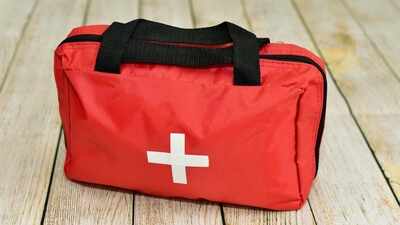
Travelling is usually linked to fun, surprises, and spontaneity; however, something unexpected may happen anytime. Travelling with medical problems may be particularly distressing since travellers are far from their homes, known doctors, and support networks.
In case of a sudden attack on the traveller, an allergic reaction, food poisoning, dehydration, injuries when engaging in an adventurous sport, or other unpredictable health conditions, knowledge of what to do can make all the difference. It can be said that preparations are as important as travelling. This list of top 5 tips for travellers will help you prepare well.
Keep important medical information easily accessible
One of the early problems that people will face when they have a medical emergency is the provision of correct information.
People travelling need to keep the relevant information regarding their medical background, allergies, blood group, treatments, and medication at hand. Information about the emergency contacts also needs to be kept at hand. It might not be enough for one to rely on the telephone alone, since the battery can run out or the phone may not be accessible.
It could be extremely handy for someone to have a card containing the relevant information in a wallet or backpack.
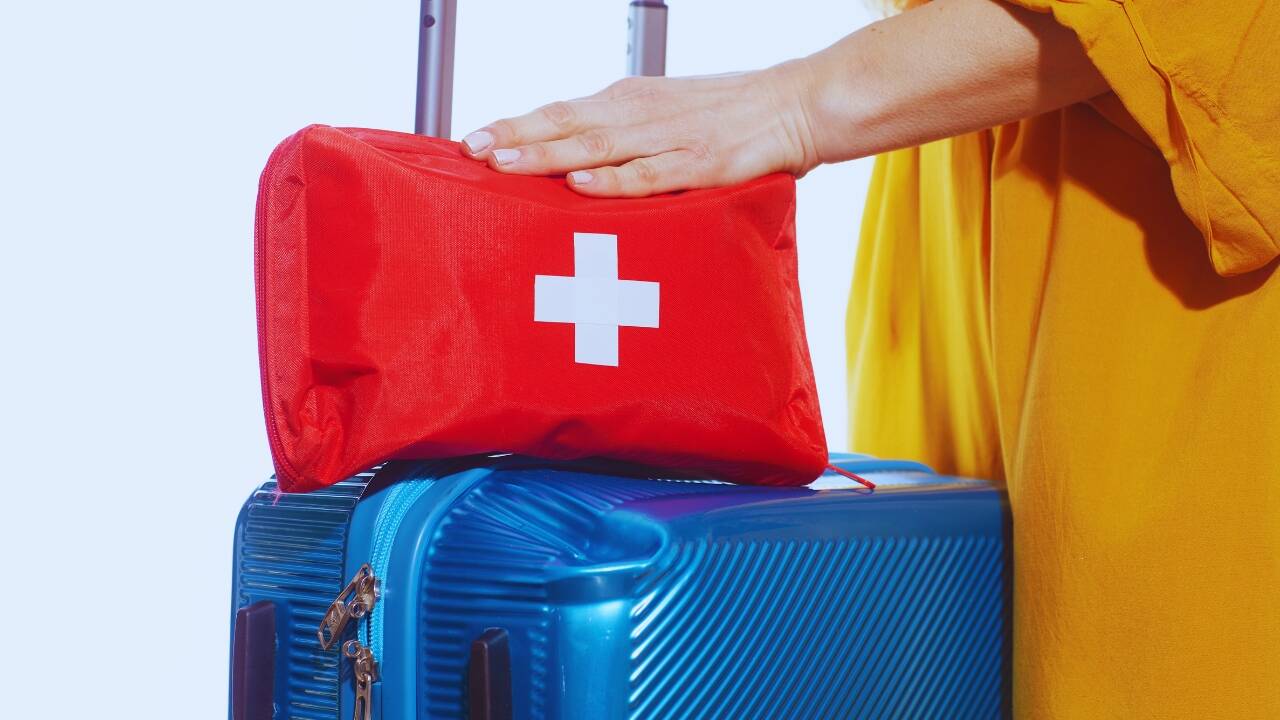
Travelling with emergency medical kit
Research nearby hospitals and healthcare facilities beforehand
While most travellers will take their time researching various places to eat, things to see, and routes to take, they tend to neglect looking for medical facilities in the area. Knowing the location of the closest hospitals, clinics, drug stores, or emergency centers can be very helpful in case you face an emergency. It is especially important when travelling to remote areas, trekking sites, islands, or to foreign countries where access to medical services may be difficult.
It is also useful to know the emergency numbers in the country you visit, as they differ from country to country.
Have a well-equipped medical kit for travel
A small medical kit can be a useful addition to your travel luggage, helping you cope with minor illnesses before contacting any professional medical personnel. Such a kit should contain bandages, disinfectant wipes, pain relievers, prescription drugs, allergy medication, stomach problems treatment medication, motion sickness treatment medication, and other first aid materials.
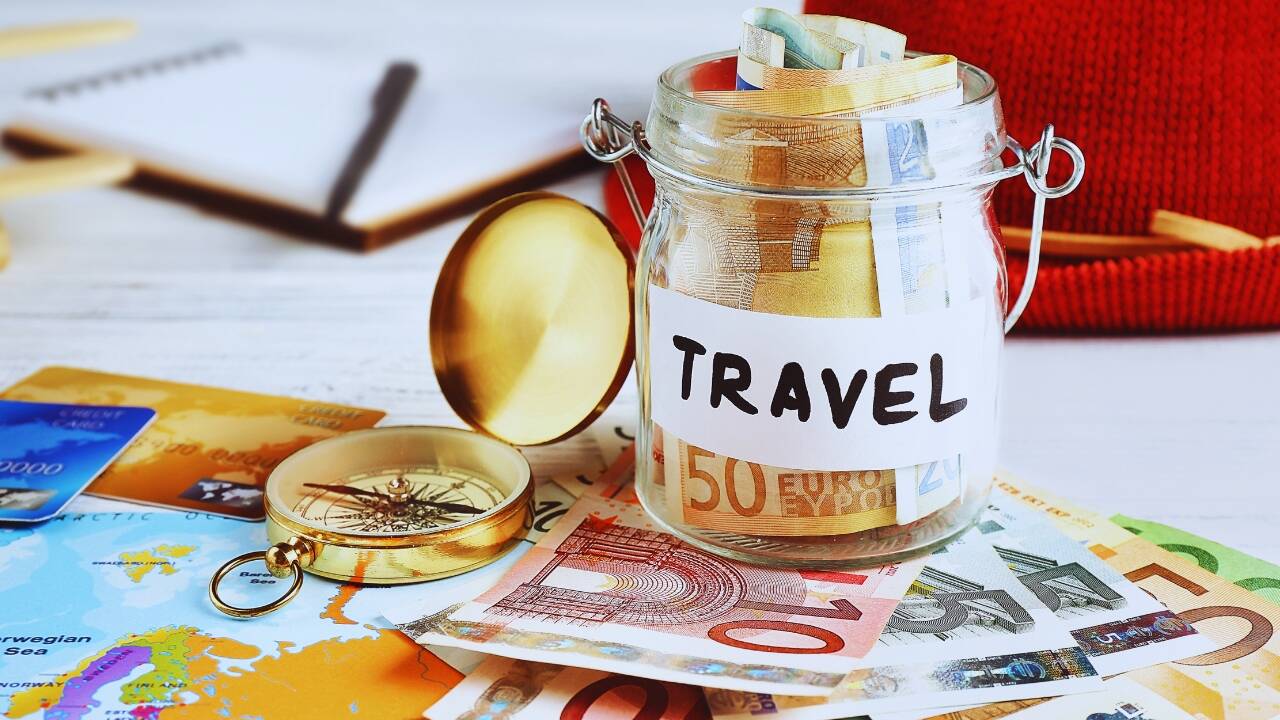
Expenses during travel
Keep travel insurance information ready at all times
The majority of travellers buy travel insurance but tend to forget about it once a holiday package has been booked. Nonetheless, at times of emergencies, insurance becomes very significant, especially in international travel due to expensive medical bills. It is also vital to save copies of your insurance policy and emergency contact number in your phone along with any other information regarding how to claim your policy.
Knowing the details of the policy that you have purchased also matters a lot.
Keep your head and seek help immediately
Emergency health cases can make travellers panic especially in strange surroundings. However, staying as cool as you can will enable one to think rationally. Avoiding treatment or hoping that things will get better on their own can aggravate the situation. In case that the symptoms seem severe like pain in the chest, breathing problems, severe bleeding, fainting or allergies, seeking medical help should be the primary concern.






 English (US) ·