

 2 days ago
9
2 days ago
9
ARTICLE AD BOX
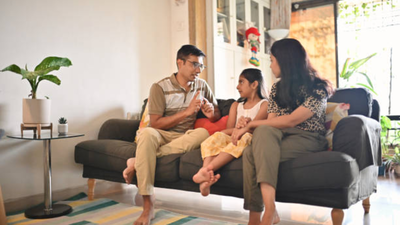
Parenting does not suddenly become tiring. It usually happens slowly. One day you are managing everything, and another day you find yourself checking the time again and again. The care is still there, but the energy is lower.
And somewhere in between, caring slowly turns into counting minutes.Many parents notice this during regular days. Mornings feel rushed even when there is enough time. Evenings feel long, but also unfinished. While making breakfast, the mind is already thinking about school drop, office work, lunch plans, and what needs to be cooked later. The day starts, but the tiredness is already there.
When simple things start to feel like work
Small daily tasks begin to feel heavy. Packing lunch boxes, reminding children to get ready, checking homework, and listening to school stories; all start feeling tiring.
These are normal parts of parenting, but they begin to feel like work rather than routine.A parent might sit beside their child while they study, but their mind is somewhere else. Maybe thinking about office deadlines, money matters, messages that need replies, or tomorrow’s plans. Even during playtime, the thought running in the head is often, “How long will this take?”
Watching the clock more than the moment
Slowly, many parents start measuring time. Ten minutes before leaving.
Twenty minutes before bedtime. Half an hour before the next call. Time becomes something to manage, not something to enjoy. For example, while reading a bedtime story, the mind keeps drifting to the dishes in the sink. While waiting outside school, thoughts move to pending work. Even while eating together, there is an urge to finish quickly and move on to the next task.
The moment itself gets less space.
Being present, but only halfway
Another early sign is feeling mentally tired. Parents are there, but not fully.
Conversations become shorter. Listening becomes harder. Replies become quick and automatic. A child may excitedly talk about a drawing, a game, or a school incident, and the parent listens, nods, and smiles. But later, they realise they hardly remember the details. Not because they did not care, but because the mind was already overloaded.
Short patience for small things
Burnout often shows up through irritation. Little things begin to feel big. Slow mornings, repeated reminders, messy rooms, spilled water, or loud voices suddenly feel too much. Parents may snap, then immediately feel bad. Many sit later and think, “Why did I react like that?” But when tiredness builds up day after day, patience becomes thin without warning.







 English (US) ·