

 2 days ago
7
2 days ago
7
ARTICLE AD BOX
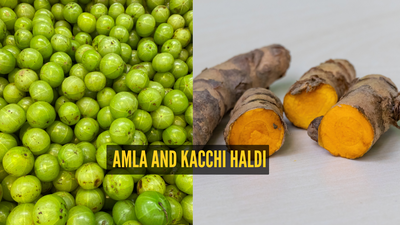
Embracing India's winter staples, amla and raw turmeric, offers significant health advantages. Consuming them on an empty stomach, as per ancient tradition and modern science, boosts immunity, improves gut health, and acts as a powerful antioxidant and anti-inflammatory agent. This potent combination also aids in regulating blood sugar and supports liver function.
Amla or Indian gooseberry and kacchi haldi or raw turmeric are India’s winter staples. From murabbas to achars to chutneys, they are widely consumed in different parts of India, particularly during this season, for various health benefits.
They are not just consumed for their nutritional value but also used in unique regional recipes.To begin the day with a teaspoon of grated raw amla mixed with a pinch of freshly grated kacchi haldi (or a small shot of their blended juice) is an old household habit not just in India but across most South Asian countries. This common tradition has strong backing from modern science, which explains why the combination, when taken on an empty stomach, can be especially effective.
Below are five science-backed reasons, each paired with accessible research so you can explore further.
7 Ways to check for fatty liver at home
Great boost to immunityAmla is considered a panacea in Ayurveda dor a reason. It is one of the richest natural sources of vitamin C and polyphenols which play a vital role in strengthening immunity and lowering oxidative stress on body. Turmeric has an active compound called curcumin which adds immune-modulating and anti-inflammatory effects, creating a complementary effect when taken together.
Taking them on an empty stomach may speed absorption of water-soluble vitamin C from amla and allow curcumin to act systemically without food interference.
See clinical and review data on amla’s immune and antioxidant effects and curcumin’s immunomodulatory actions here.
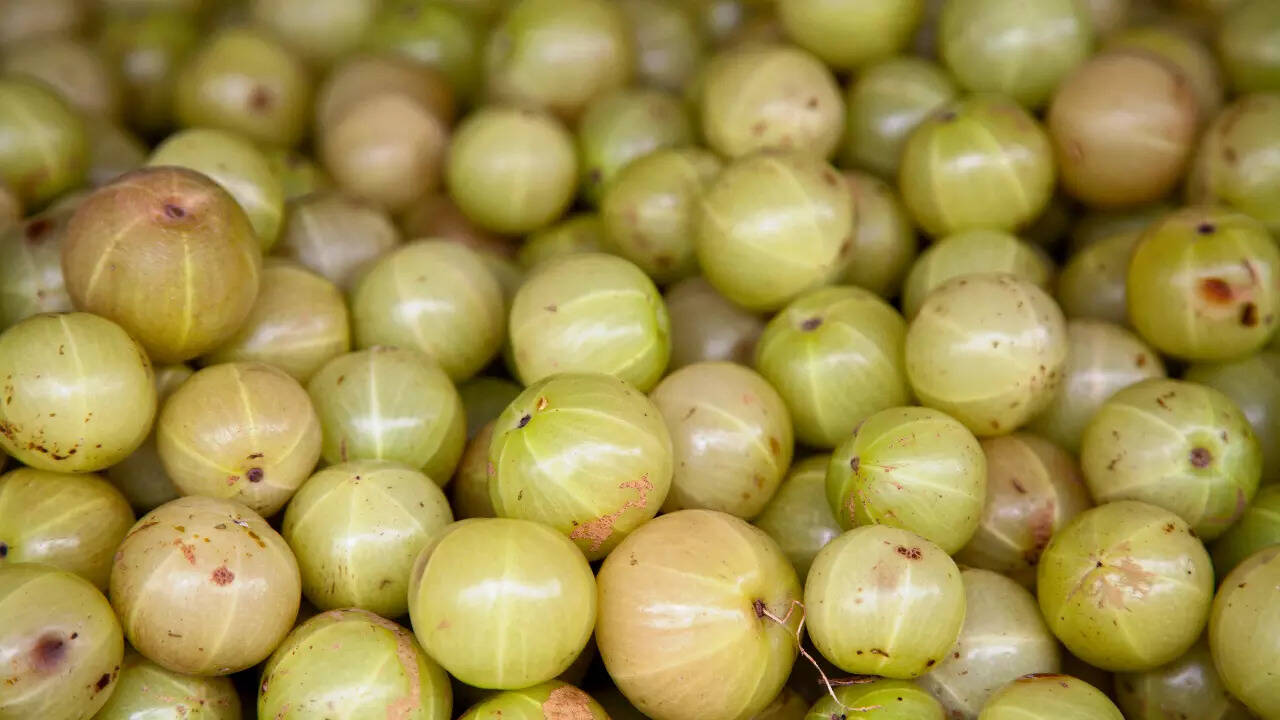
Improves gut health and digestionIndian Gooseberry is rich in dietary fiber and tannins that support gut motility and beneficial microbes; curcumin in turmeric has been shown in multiple studies to modulate the gut microbiota and reduce intestinal inflammation.
Together they can soothe digestion, reduce bloating, and support balance in the gut ecosystem. Taking them first thing-before other foods-gives these compounds a better chance to interact with the stomach and small intestine directly (some studies also link curcumin to improved IBS/IBD symptoms).
Recent reviews and trials on curcumin’s effects on the gut and on amla’s digestive benefits back this up. Powerful antioxidant + anti-inflammatory combinationBoth amla and raw turmeric or kacchi haldi are strong antioxidants.
Amla’s polyphenols and vitamin C destroy free radicals, while curcumin blocks inflammatory pathways and upregulates cellular antioxidant defenses. Clinical and preclinical literature supports reductions in oxidative stress and inflammatory markers from both herbs, and consuming them together creates a broader spectrum of antioxidant activity than either alone.
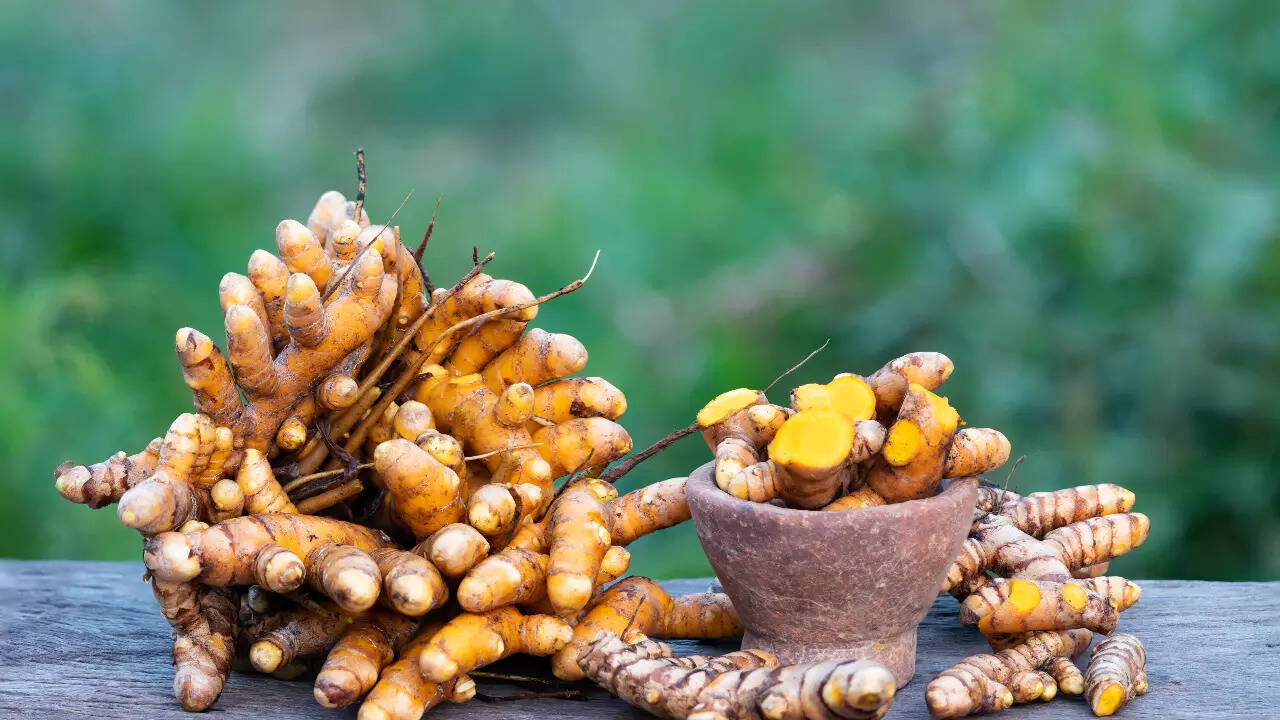
Helps regulate blood sugar and lipid proSome studies and meta-analyses suggest amla can improve lipid profiles and modestly reduce blood glucose markers; curcumin also shows promising effects on insulin sensitivity and metabolic inflammation.
Some recent clinical studies have specifically tested combined supplementation (amla + curcumin) and reported improvements in lipid and glycemic measures in people with metabolic syndrome or type 2 diabetes-although larger trials are still needed.
Taking the mix on an empty stomach may help the active compounds be available for absorption before carbohydrate intake raises blood sugar. Skin, liver support and gentle detoxificationAmla has a high antioxidant content which are said to protect collagen and skin health; curcumin in kacchi haldi has demonstrated hepatoprotective and anti-inflammatory effects shown in animal and human studies.
Together they may support liver detox pathways (antioxidant enzymes, reduced inflammatory signalling) and, over time, contribute to clearer skin and better metabolic waste handling. Several review articles and clinical reports outline curcumin’s liver-protective effects and amla’s traditional role in skin and liver health.
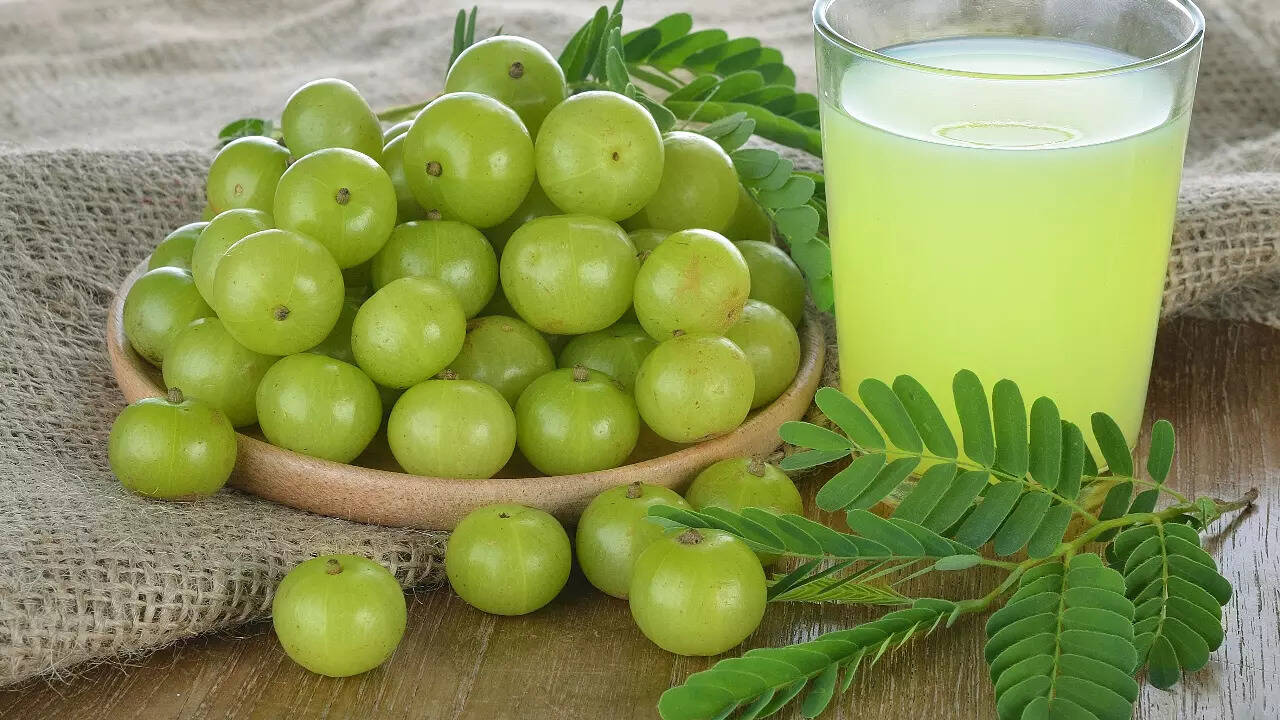
Practical tips (how to prepare & safety)Simple recipe: Grate 1–2 teaspoons raw amla + ¼–½ teaspoon freshly grated kachhi haldi.
Mix with warm water or take as a small spoonful. Some people add a pinch of black pepper (piperine) which is known to increase curcumin absorption. The curcumin–piperine interaction is well documented in several researches.Why empty stomach? Faster, less-competing absorption of vitamin C and phytochemicals; immediate exposure to gut mucosa; anecdotal tradition.
Caution Both amla and turmeric are generally safe as food, but curcumin supplements can interact with blood thinners like aspirin, diabetes medications and some other drugs. High amounts of raw turmeric may irritate the stomach in case of sensitive people. Pregnant or breastfeeding women, or people on prescription medication, should check with their doctor.All Images Courtesy: istock









 English (US) ·