

 5 days ago
9
5 days ago
9
ARTICLE AD BOX
Last Updated:June 16, 2026, 13:16 IST
India's first bullet train section — between Surat and Bilimora — is set to open in August 2027, as seven more high-speed corridors are planned across the country.
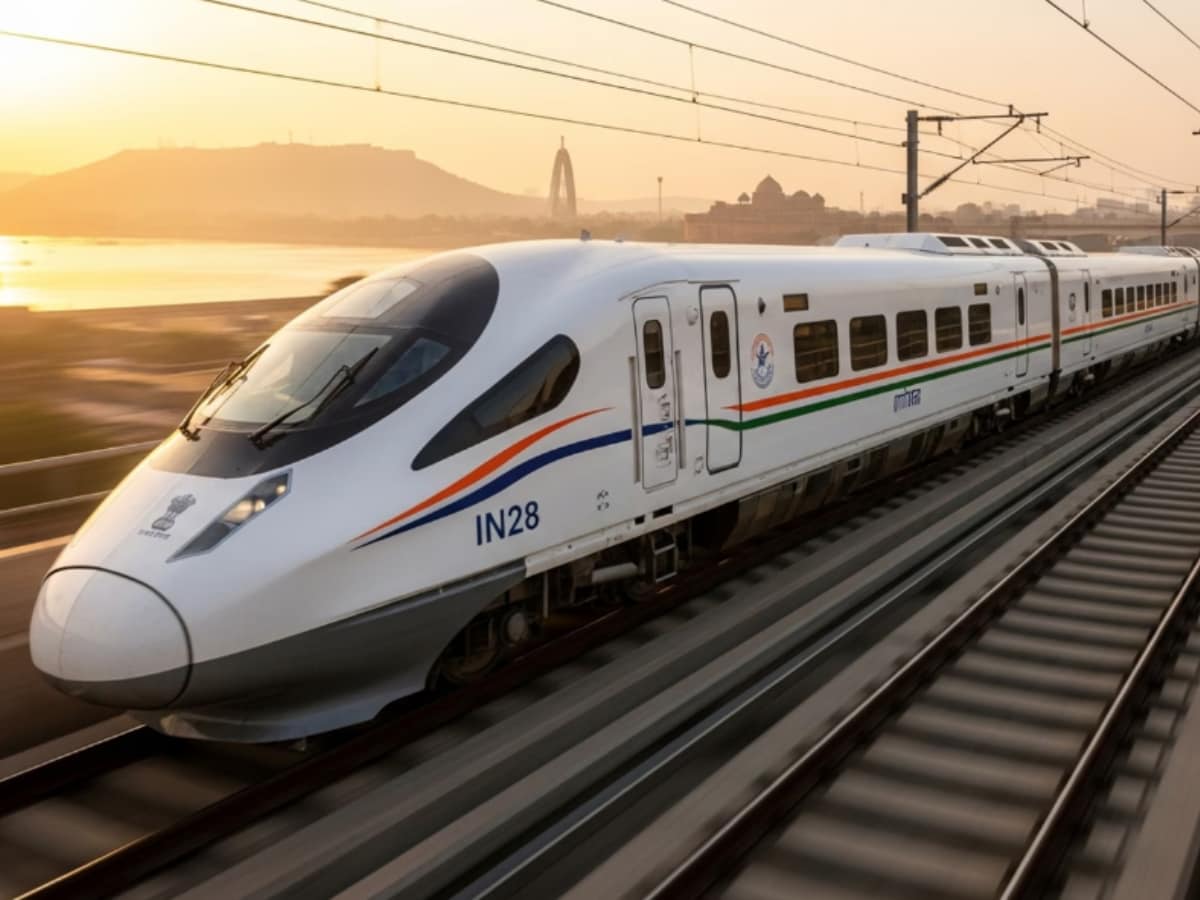
India's bullet train ambitions extend well beyond its first high-speed rail project currently under construction. The government has identified seven new corridors — connecting cities such as Delhi, Varanasi, Pune, Hyderabad, Bengaluru and Chennai — as part of its long-term high-speed rail vision, even as the Mumbai-Ahmedabad corridor races toward its first operational milestone.
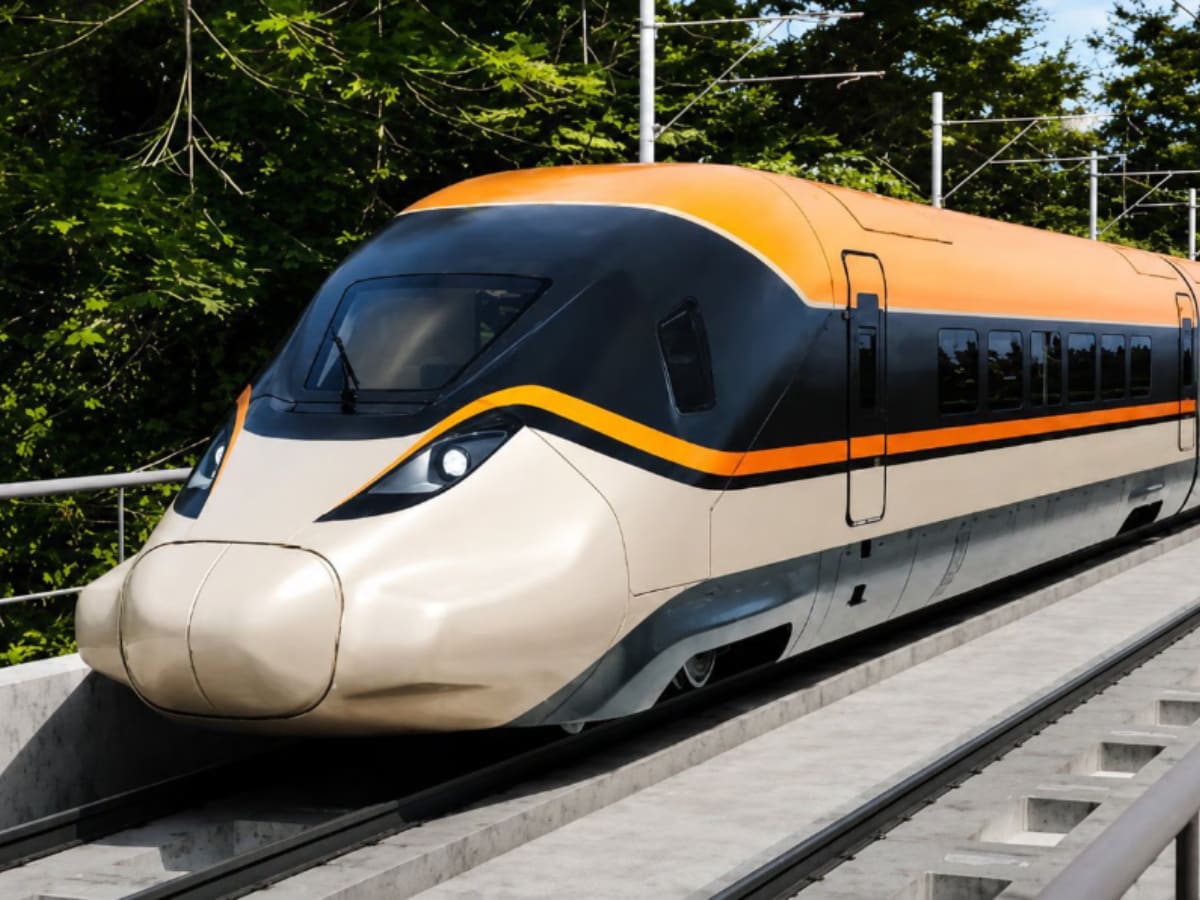
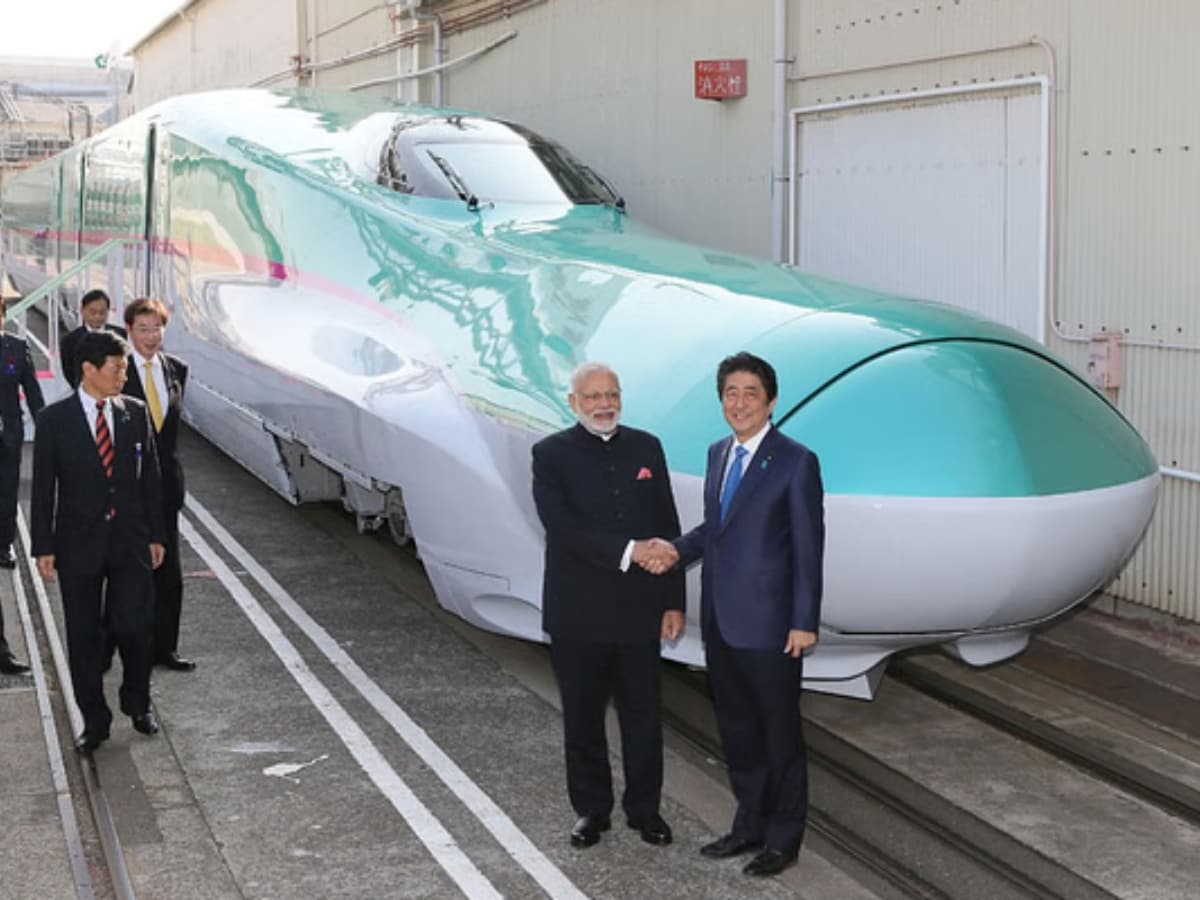
The only bullet train project currently under construction in India, the Mumbai-Ahmedabad corridor spans 508 km and is being developed using Japanese Shinkansen technology, designed for operational speeds of up to 320 kmph. Railways Minister Ashwini Vaishnaw has confirmed that the first section — between Surat and Bilimora in Gujarat — is on track to open in August 2027.
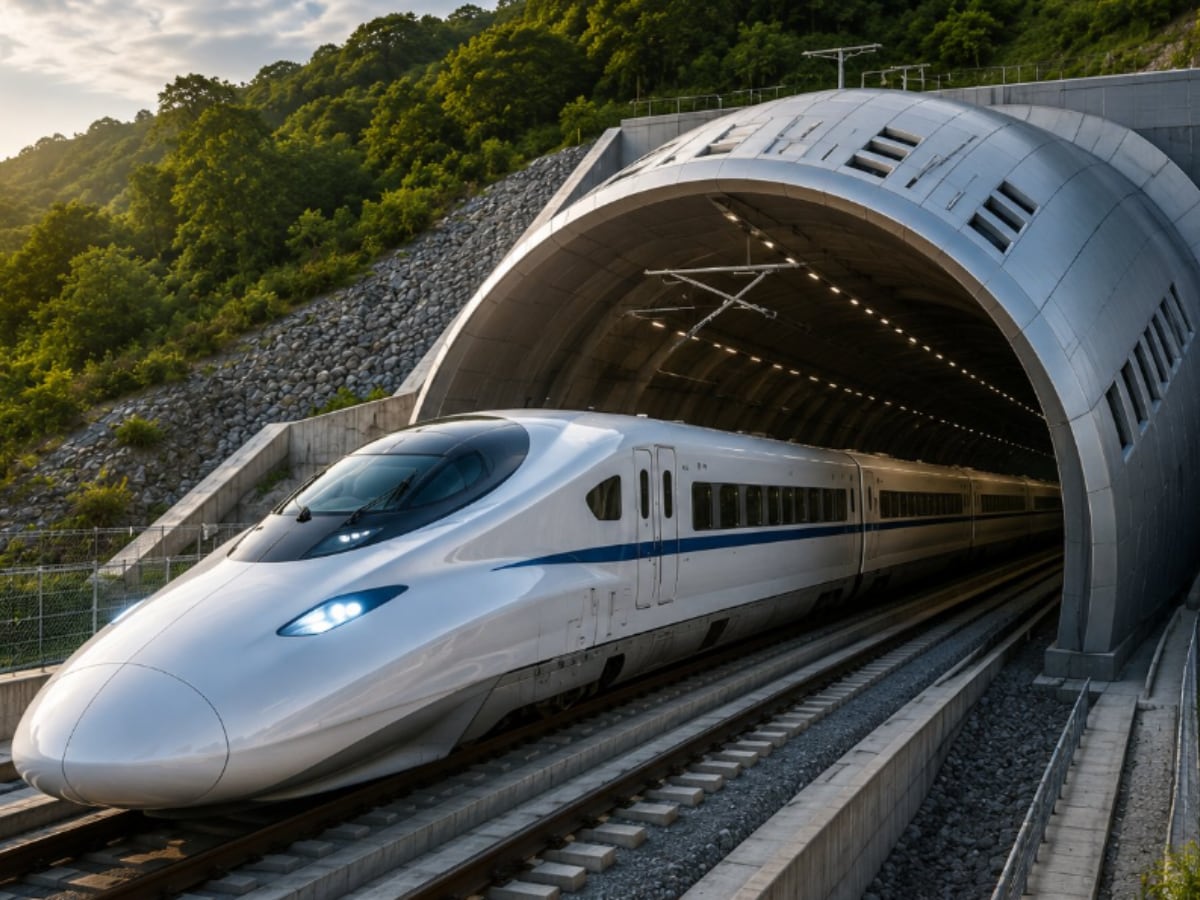
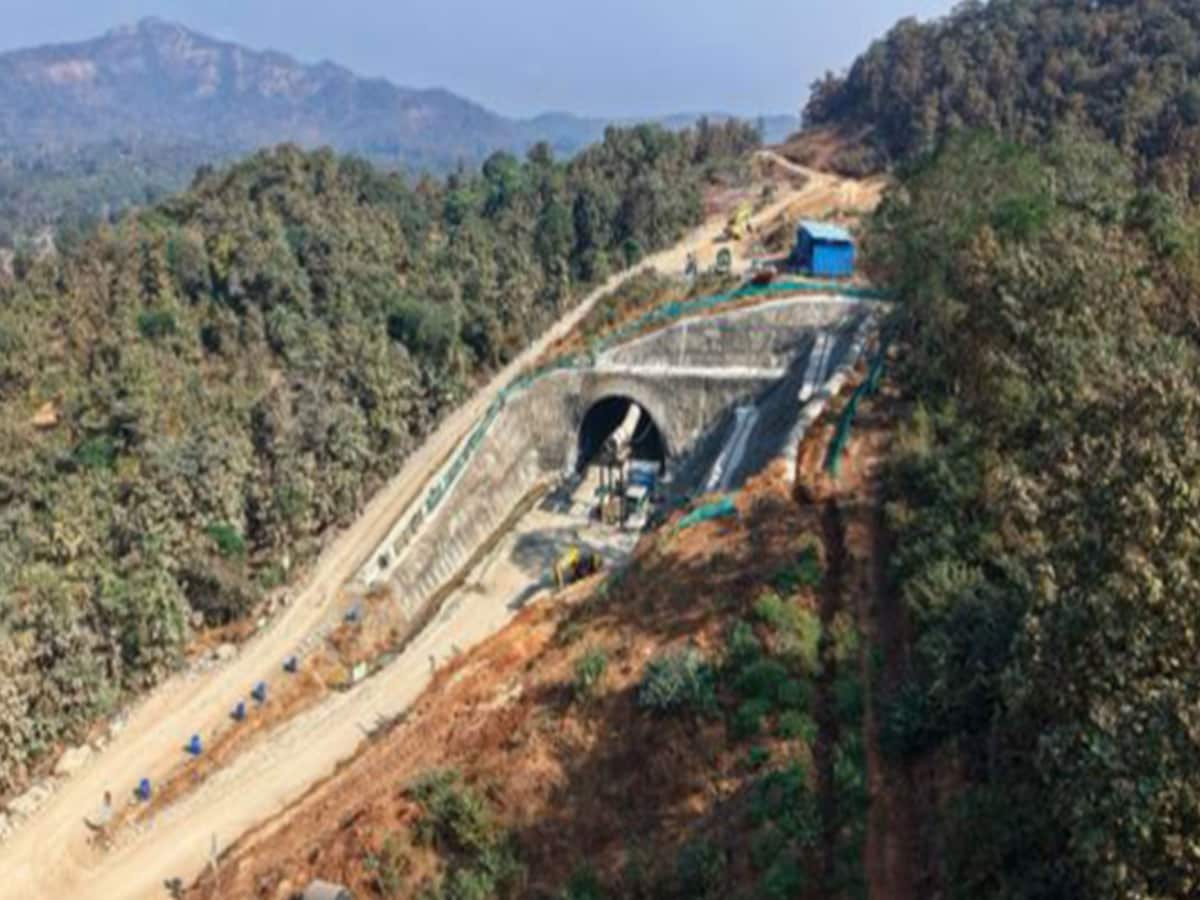
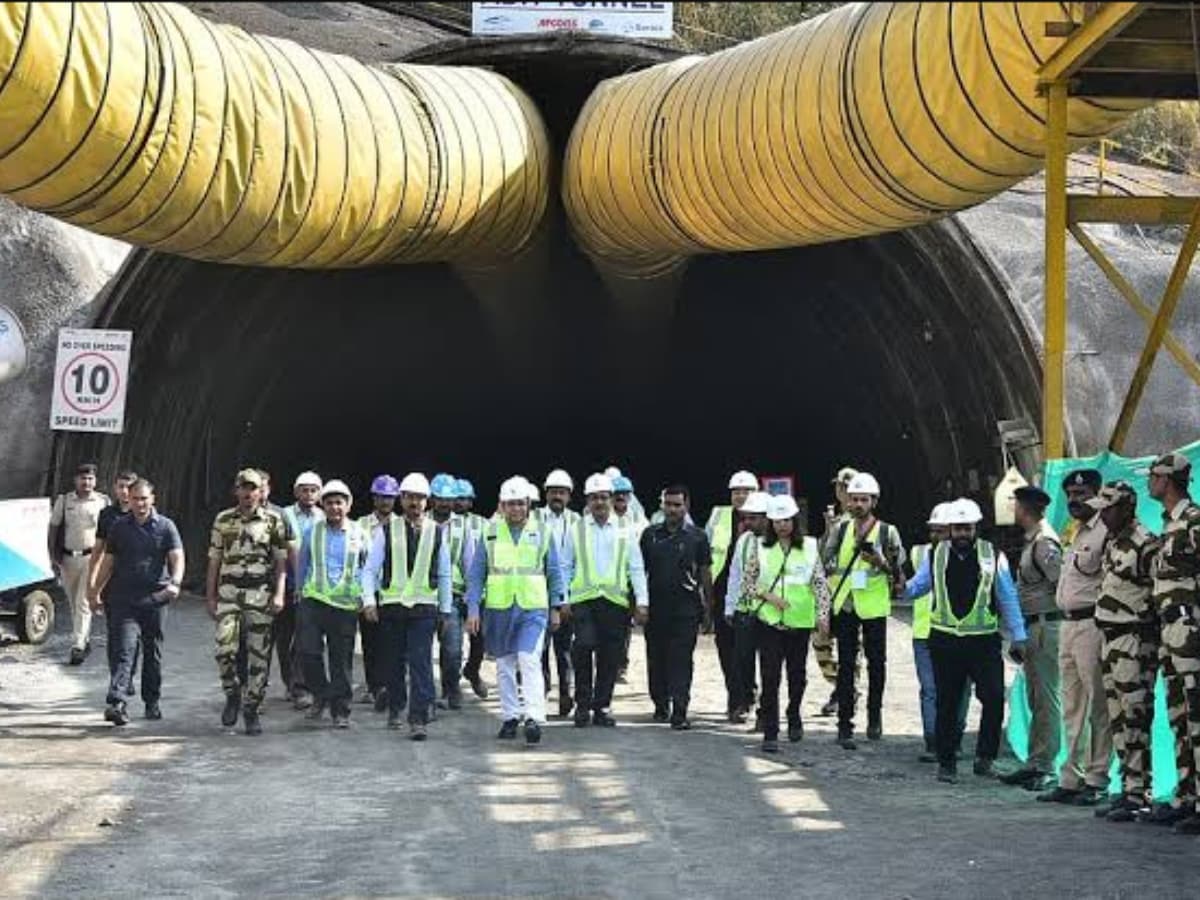
In a first for Indian railway history, the Mumbai-Ahmedabad Bullet Train project has deployed tunnel hood technology along the high-speed corridor. Tunnel hoods are being installed at both entry and exit points of eight mountain tunnels — seven in Maharashtra and one in Gujarat — bringing India in line with global bullet train standards followed in countries where trains routinely exceed 300 kmph.
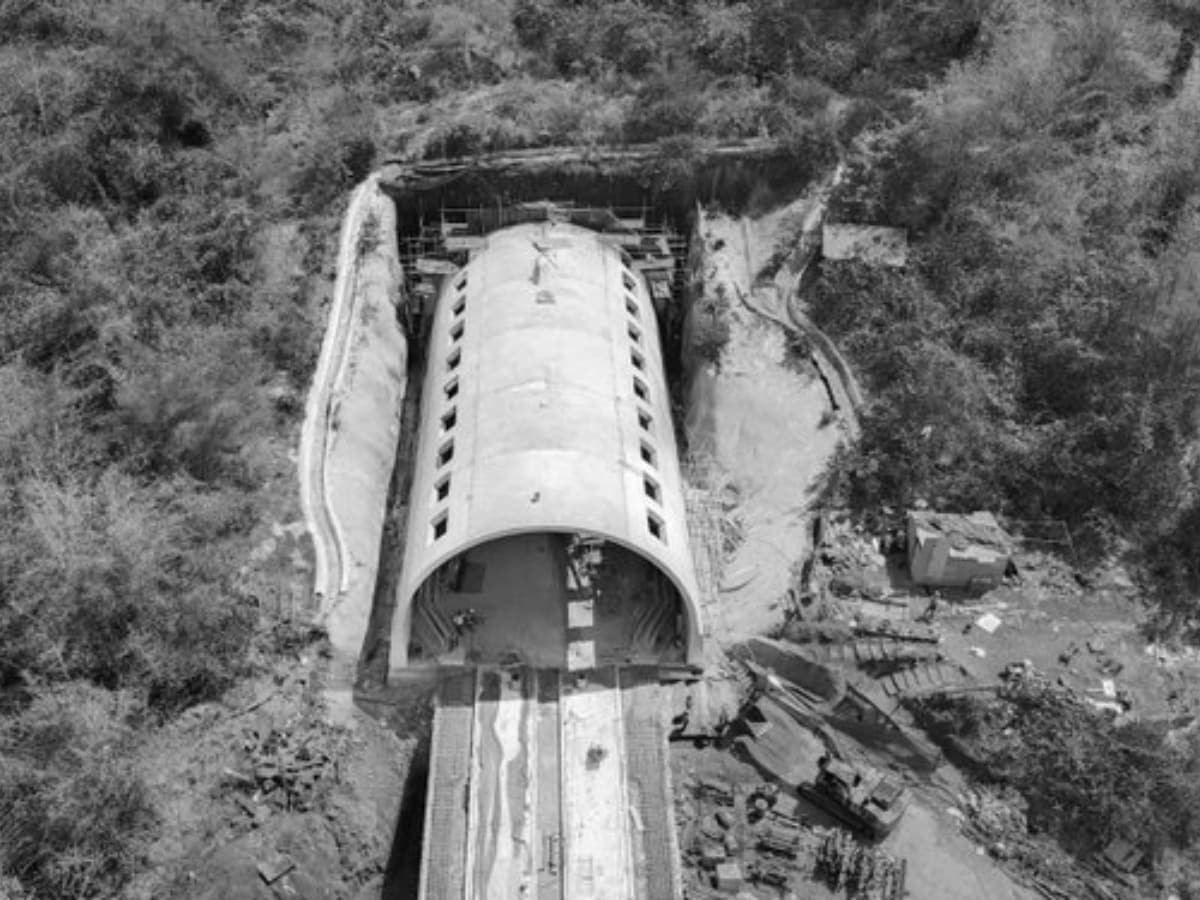
Tunnel hood technology is critical for high-speed rail safety and passenger comfort. As bullet trains enter and exit tunnels at speeds exceeding 300 kmph, the hoods help manage the sudden change in air pressure, preventing the sonic boom-like effect that can cause structural stress and discomfort inside the coaches.
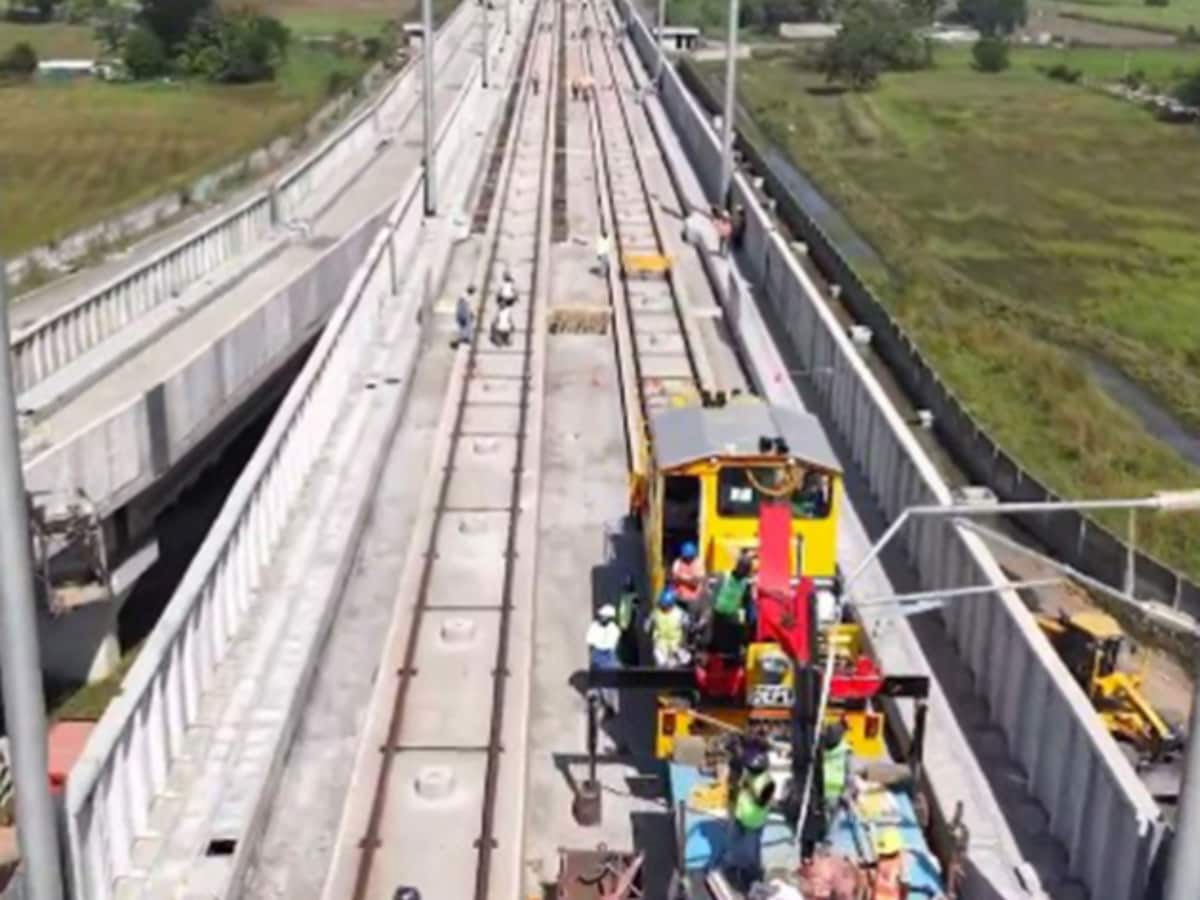
Beyond the Surat-Bilimora section, the Mumbai-Ahmedabad corridor will expand in phases. The Vapi-Surat and Vapi-Ahmedabad sections are next in line, followed by the first inter-state stretch from Thane to Ahmedabad. The full Mumbai-Ahmedabad route will become operational subsequently, eventually linking Maharashtra and Gujarat through India's fastest rail service.
The seven proposed new corridors are Mumbai-Pune, Pune-Hyderabad, Hyderabad-Bengaluru, Hyderabad-Chennai, Chennai-Bengaluru, Delhi-Varanasi, and Varanasi-Siliguri. Together, they are designed to connect India's major economic, technology, industrial and tourism hubs across multiple states — from the North to the South and from the eastern plains to the Himalayan foothills.
Railways Minister Ashwini Vaishnaw has described the proposed corridors as growth connectors that can strengthen regional connectivity and support economic activity. However, the government has not yet announced construction timelines for any of the seven routes — each will require feasibility studies, approvals, funding arrangements and land acquisition before work can begin.
The Mumbai-Ahmedabad corridor, once fully operational, is expected to serve as the foundation for India's future high-speed rail network. If the seven proposed corridors progress from vision to reality, India could eventually have a bullet train web linking the financial capital to the deep South, the national capital to the eastern plains, and the Ganga belt to the foothills of Bengal — reshaping intercity travel as we know it.







 English (US) ·