

 1 week ago
7
1 week ago
7
ARTICLE AD BOX

Elephants are famous for their size, strength, intelligence and calm presence. They are the largest land animals on Earth and are known for their strong social bonds and remarkable memory.
These gentle giants can communicate over long distances, care deeply for their herd members and adapt well to different environments. They can walk long distances, move through difficult terrain and even run when needed.But there is one movement that almost all mammals use at some point and elephants do not - jump. Elephants cannot jump and the reason is mostly in their anatomy. Their legs are built to support enormous weight, not to spring upward like the legs of smaller animals.
Built for support, not for spring
To jump, an animal needs flexibility in the lower legs, strong tendons that act like springs and joints that can bend deeply before pushing the body off the ground. Elephants do not have that kind of setup. Their legs are described as thick, pillar-like columns, and their bones point more or less straight downward. That structure is excellent for carrying weight, but it does not provide the elastic rebound needed for a leap.
Elephants also have relatively stiff ankles and weaker lower-leg muscles compared with animals that are built for jumping. In simple terms, an elephant’s body is designed for stability rather than bounce. Even the shape of their feet helps distribute pressure across the ground instead of storing energy for a jump. That makes perfect sense for an animal that may weigh several tons. It can stand, walk and move steadily, but it cannot gather the explosive lift that a jump requires.
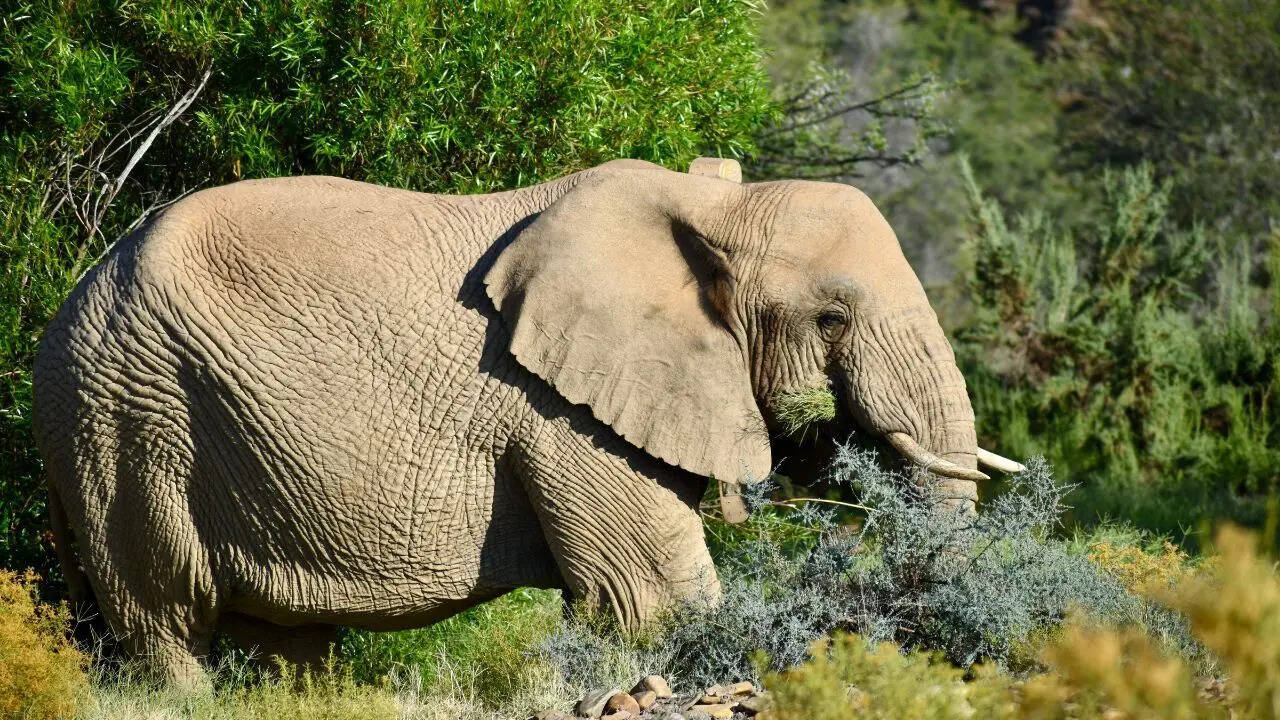
Image Credit: Canva
Why elephants do not need to jump
Another important reason is that elephants do not need jumping the way many other animals do. Smaller animals often jump to escape predators, cross obstacles or move quickly through their environment. Adult elephants, however are protected largely by their sheer size and by the safety of the herd. For a healthy adult elephant, danger is more likely to be met with a charge, a warning call or a defensive circle from the group rather than a leap into the air.
This does not mean elephants are slow or helpless. They can move faster than many people expect and run in their own unique way, though they do not enter the kind of airborne gait seen in many other mammals. According to a study by the National Library of Medicine, elephant locomotion shows that even at higher speeds, their movement pattern remains different from a classic run or trot. In other words, elephants are highly capable movers, just not jumpers.
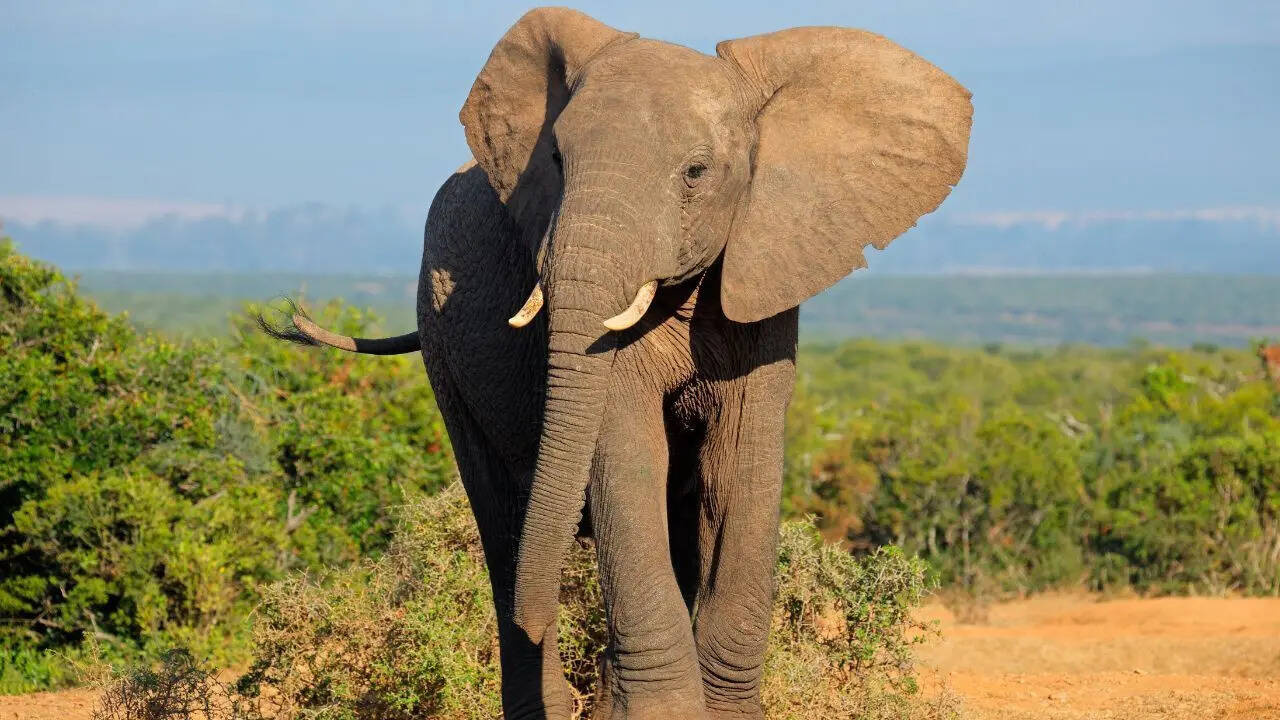
Image Credit: Canva
A limitation that is really an adaptation
The fact that elephants cannot jump is not a flaw. It is an adaptation shaped by evolution. The elephant’s body is designed in such a way that it is able to carry a huge amount of weight, cover vast distances, and surviving with steady power rather than sudden leaps. These animals are also very intelligent and can perform a number of tasks, which include exhibiting excellent social behaviour and using their trunks in a highly accurate manner.








 English (US) ·