

 1 hour ago
4
1 hour ago
4
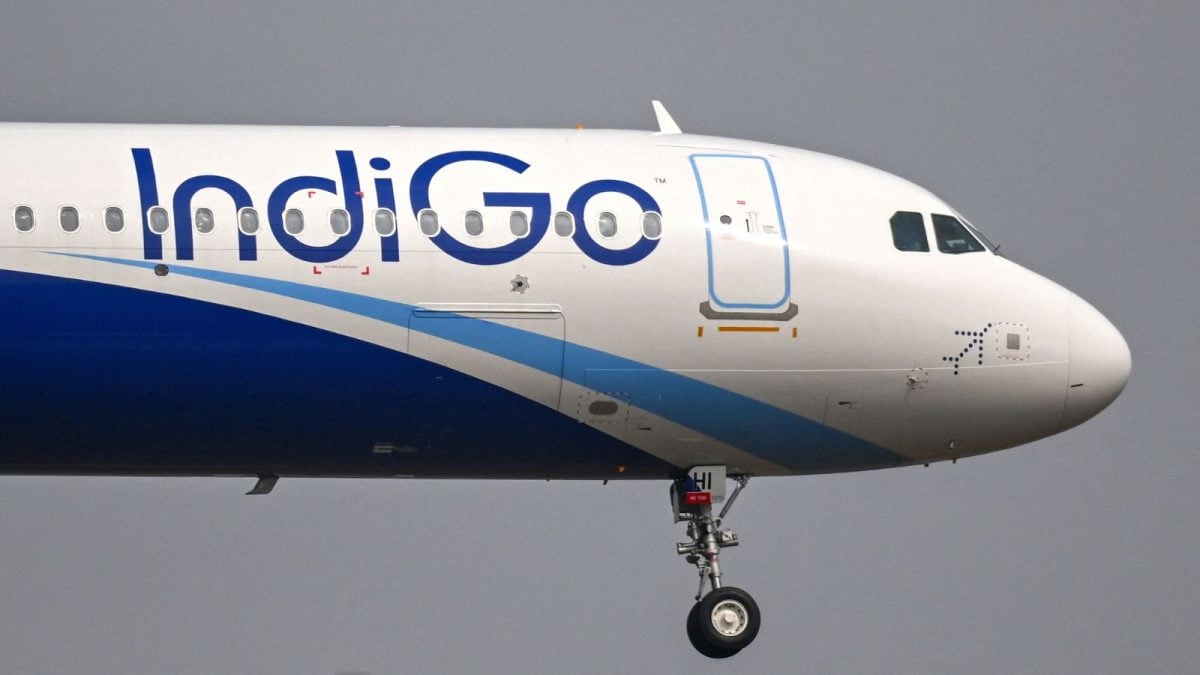
While the Kempegowda International Airport (KIA) continued to hold on to its position as the third busiest airport in the country, in 2025, the focus was on Bengaluru’s proposed second airport.
With the KIA projected to handle around 80 to 90 million passenger traffic by the end of this decade and expected to run out of capacity by early 2030’s, the State government began initiating plans for a second airport for Bengaluru.
In April a high-level team from the Airports Authority of India (AAI) inspected three sites at Choodahalli and Somanahalli on Kanakapura Road, as well as another location on the Nelamangala-Kunigal Road.
Following its assessment, the AAI team submitted its report to the government which has in turn invited tenders to select an expert consultancy firm to prepare a location suitability and comprehensive technical and financial feasibility report for the proposed airport.
While the State government had identified three sites around Bengaluru for the second airport, some legislators had suggested Sira in Tumakuru district as a location for it. However, the government had said that a greenfield international airport in Sira was not viable.
New routes
Meanwhile at the KIA, several new routes and new airlines both international and domestic were added to the existing ones strengthening its position as a top airport in the region.
The work on the Bengaluru Airport City, spread over 463 acres and which will have business parks, a global innovation hub, an education and health district, a retail dining entertainment (RDE) village, a concert arena, a convention and exhibition centre, a knowledge park, an hospitality area, a logistics park, and a central park, was also in full swing during the year.
Lane segregation
Towards the end of the year, the Bangalore International Airport Limited (BIAL), which operates the KIA, introduced a new lane segregation system at the pick-up zone in front of the terminals.
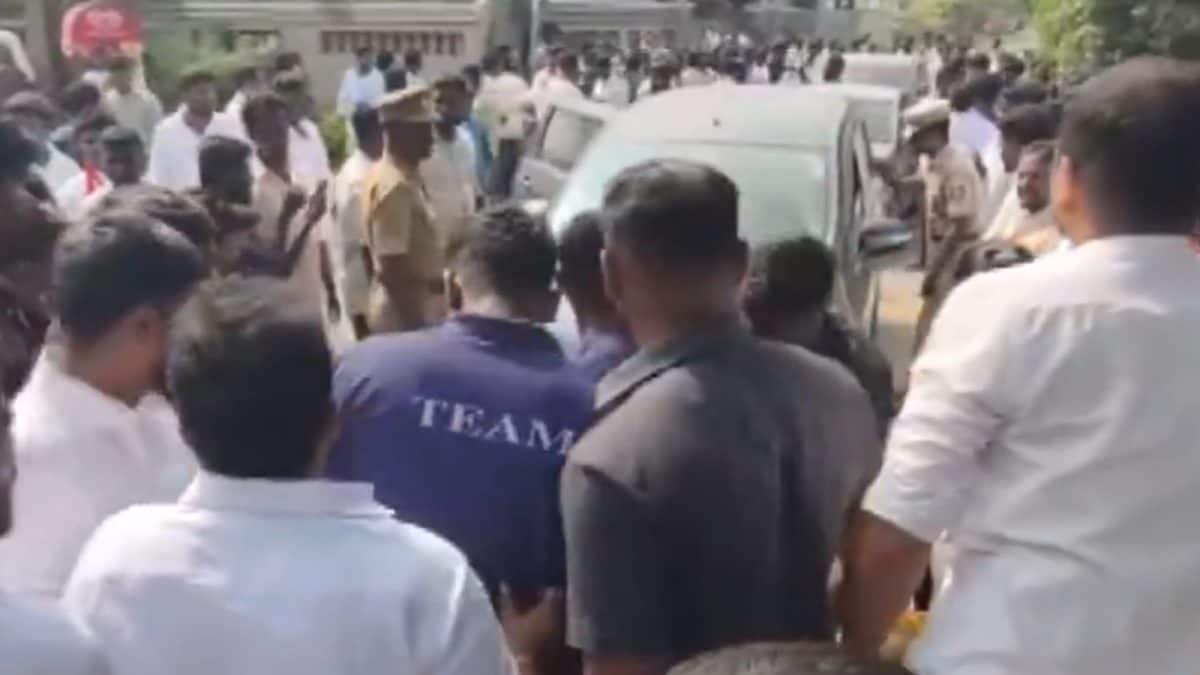
While the BIAL defended the enhanced pick-up measures stating it would streamline passenger movement, reduce congestion, and improve safety, discipline, and overall convenience at arrival areas, some passengers and cab drivers had opposed it. Many cab drivers staged protests against the new rules.






 English (US) ·