

 1 hour ago
6
1 hour ago
6
ARTICLE AD BOX
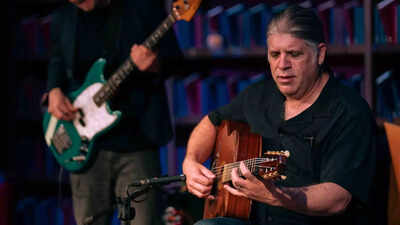
“I’d love to come back to India more often. There is something here — something I deeply connect with,” says world-renowned gypsy jazz guitarist and composer Stephane Wrembel, reflecting on his bond with the country after his recent performance in Hyderabad.
The French musician, regarded as one of the leading figures in gypsy jazz, has carved out a distinct space for himself on the global music stage. His work has featured in films such as Midnight in Paris and Vicky Cristina Barcelona, and his collaborations include celebrated names like Hans Zimmer. In a conversation with us, he spoke about returning to India after nearly a decade, his experience working with Zimmer, and why he believes India could shape thenext chapter of the genre.
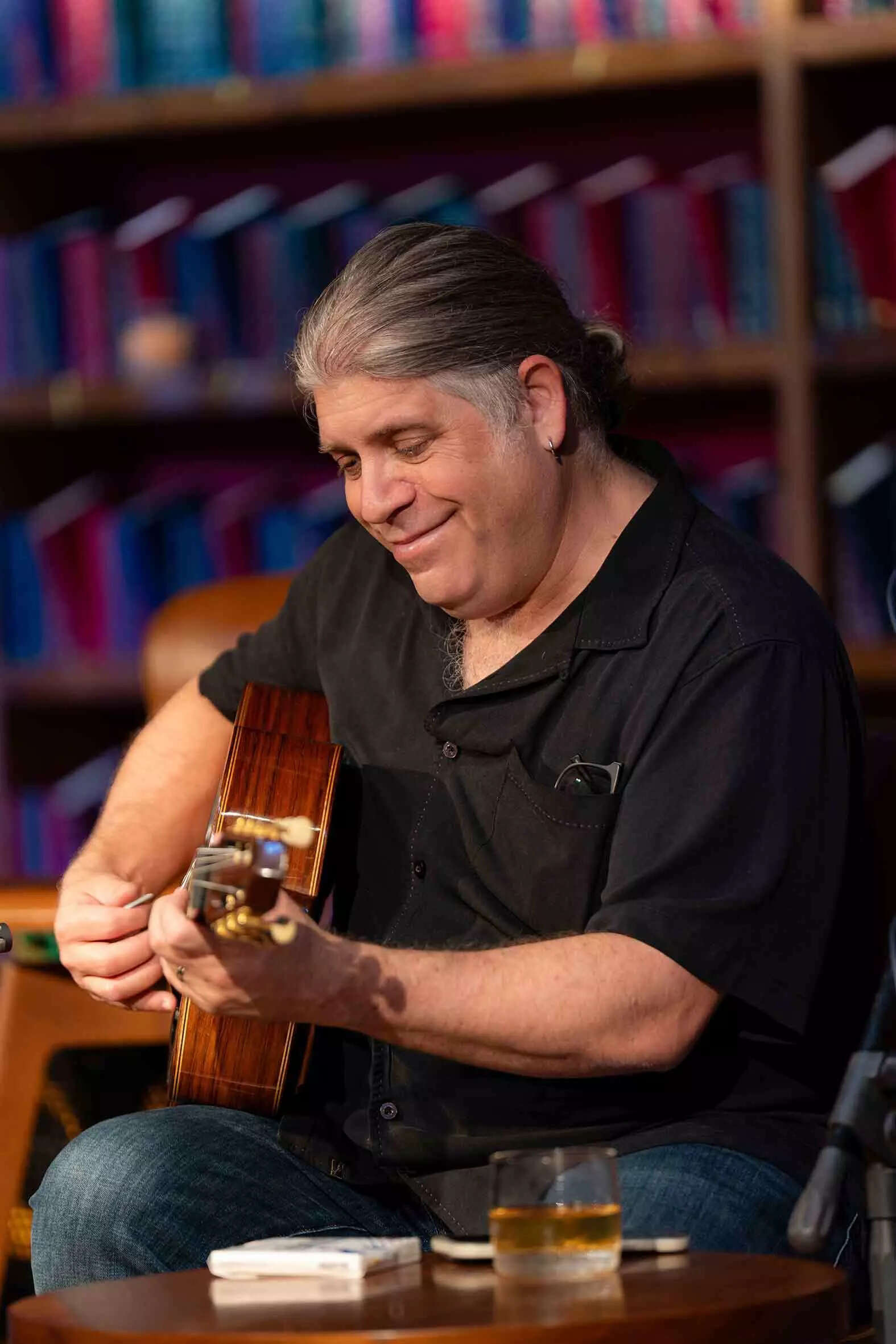
Stephane Wrembel during his recent perfomance in the city
‘When I play, I feel that Indian connection’For Stephane, the relationship between India and gypsy jazz is not merely symbolic — it is historical and deeply musical. Speaking about the genre’s pioneer Django Reinhardt and his roots, he says, “The gypsies are from Rajasthan, India.” Showing a text message on his phone, he recounts writing to a Romani friend while in India. “I said, ‘Hello from India,’ and he replied, ‘My country of origin.’
He’s never been here.
But you see the reaction — it’s like, oh, India.”Stephane believes the connection is audible. “There is a connection between the way the guitar is played and the way Indian music is played. It’s very difficult to put words to it. But there is something in the level of intensity.” Tracing the journey of the music, he adds, “It is a process that has been travelling from Rajasthan through Egypt, then Eastern Europe, then Western Europe, and then it came down to the north of France.
”
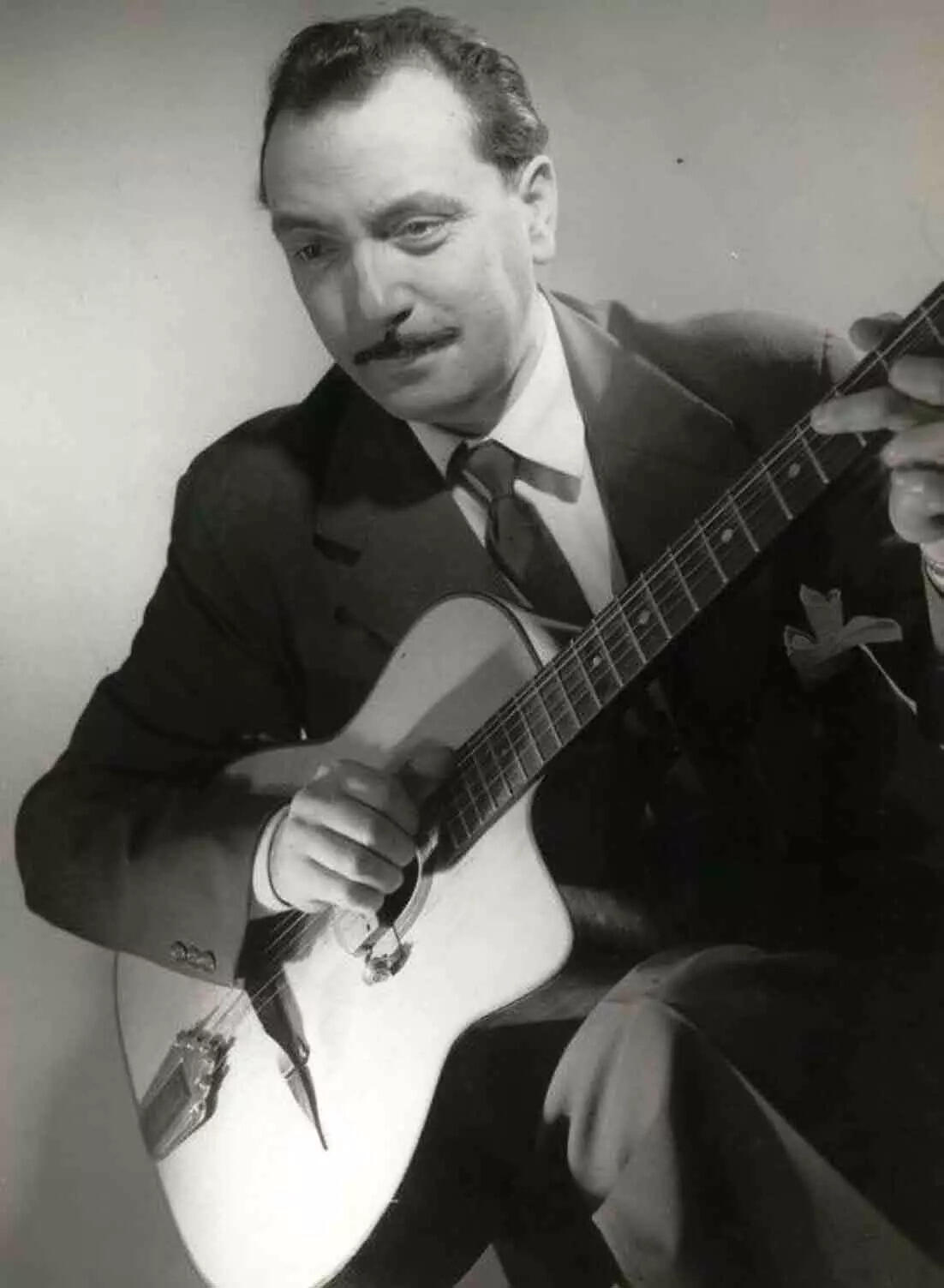
Legendary jazz guitarist Django Reinhardt is regarded as the father of gypsy jazz
In music, Django Reinhardt’s influence continues to evolve; it doesn’t belong to the past. Django is to the guitar what Johann Sebastian Bach is to the keyboard. If you practise Django, you’re only going to grow as a musician. We’re not done discovering what he brought to the world; in many ways, we’re just at the beginning
Stephane Wrembel
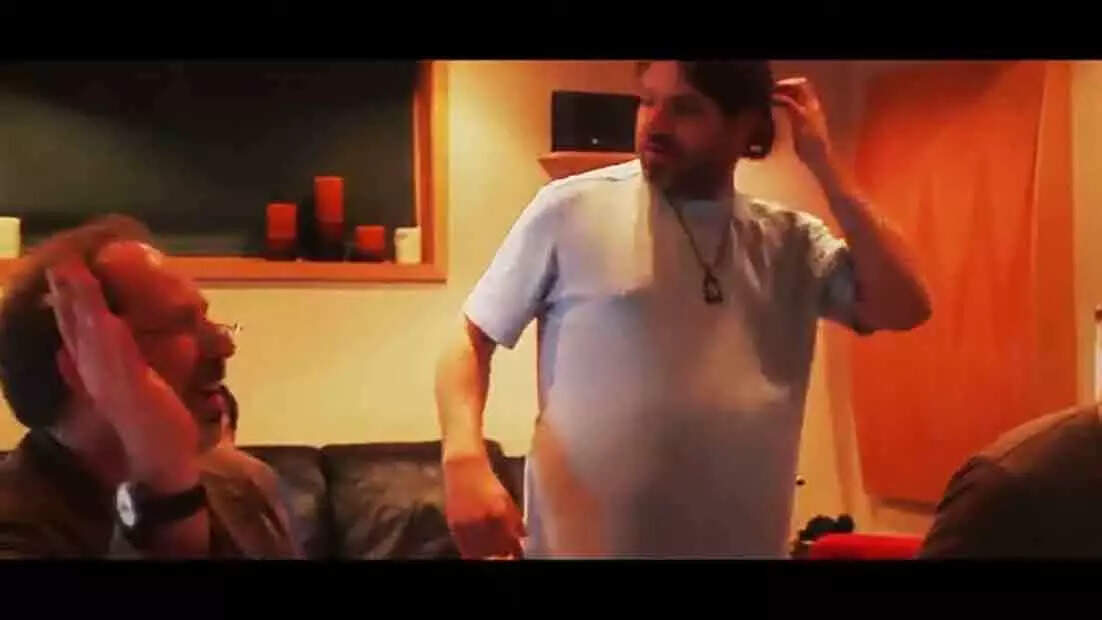
A behind-the-scenes moment of Stephane Wrembel and Hans Zimmer working together in the studio
‘I learned so much from Hans Zimmer’“It was a huge moment in my career,” he says, recalling his collaboration with Academy Award-winning composer Hans Zimmer in 2012. As part of Zimmer’s live concert productions in Los Angeles, Stephane appeared as a featured soloist and worked closely with the celebrated composer. “I got to spend two weeks in his studio. I even got to play at the Oscars ceremony,” he recalls. Observing Zimmer at work left a lasting impression.
“When you see that level of production — the care for every detail, the way hundreds of people are managed and brought together — it’s incredible,” he says. “Working with Hans reshaped the way I think about talent and hard work. Watching him lead such vast productions with precision reinforced something I already believed — that greatness isn’t just about natural ability. It’s about discipline, effort and attention to detail.”
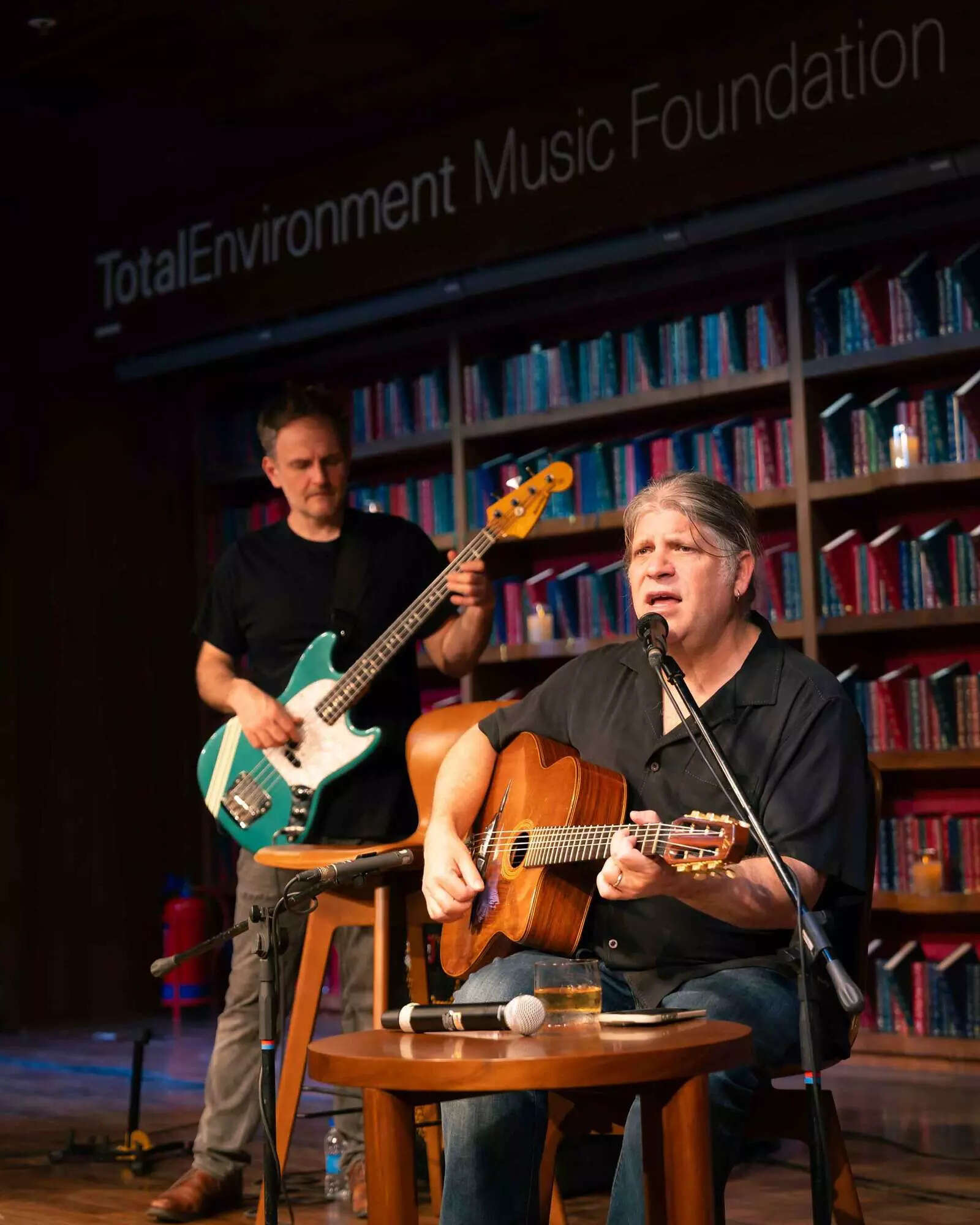
Stephane Wrembel during his recent perfomance in the city
‘Coming back to India helped me reconnect with a part of myself’Stephane first performed in India in October 2015 as part of a multi-city tour that took him to Mumbai, Pune, Hyderabad and Bengaluru. Recalling that visit, he remembers Hyderabad as a brief stop. “Last time was very short. We just arrived, played and left the next day. So we didn’t get to see anything,” he says. This time, the experience felt different. The city, he notes, “seemed to have more buildings, more activity… it felt very bustling.
” But what draws him back goes beyond any one destination. “It’s really India,” he says simply.Looking ahead, Wrembel believes India won’t merely adopt gypsy jazz in its original form — and that excites him. “India has a way of taking something and making it its own,” he says. “You’re not going to make India conform to something. India has the potential to take what you bring and transform it into something Indian — and it’s going to be amazing.”Hoping to return not just to perform but to connect more deeply, he adds, “If there are opportunities to teach or collaborate, I’m open. I’m ready.”







 English (US) ·