

 52 minutes ago
6
52 minutes ago
6
ARTICLE AD BOX
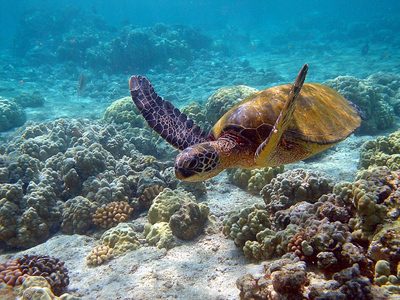
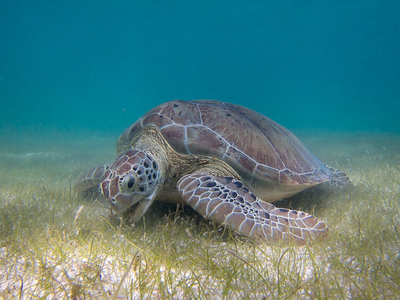
Image of a green Sea Turtle grazing seagrass| Image Credit: Wikimedia Commons
What first looked like graffiti on the shells of green sea turtles in Hawaii has become the basis for a large community-based conservation effort for the species.For a long time, beachgoers as well as swimmers who spent time in Hawaii kept noticing the peculiar markings on the shell of green sea turtles.
Many believed that those marks were graffiti made on the turtle shells by people in the region.
The confusion eventually prompted the National Oceanic and Atmospheric Administration (NOAA) to explain the markings and create a public reporting initiative called the Honu Count in 2017, according to the information provided by Hawaiʻi Public Radio.This project, which is named after the green sea turtle in Hawaii, involves making reports of sightings of such marked green sea turtles.Why scientists mark sea turtlesBased on information provided by NOAA Fisheries, Hawaiian green sea turtles have amazing migration patterns when they undertake long-distance migrations associated with nesting. According to studies carried out by researchers, these marine animals can cover distances of more than 1,200 miles round-trip from feeding areas in the main Hawaiian Islands to nesting areas at Lalo or French Frigate Shoals in the Papahānaumokuākea Marine National Monument.
For effective tracking of these species for purposes of understanding their migration patterns and conservation efforts, the NOAA researchers carry out a temporary marking of turtles. This involves marking the turtle using white alphanumeric codes on the surface of the shells.According to NOAA, researchers use a device referred to as a Dremel, similar to those used by nail technicians, to etch the shell of these sea turtles prior to applying non-toxic white paint.The marking process does not cause any pain to the turtles since the etching is done on the outer layers of the shells. According to NOAA, since the marking process is painless, many turtles actually sleep through it.A misunderstanding that inspired actionAs noted by Hawaiʻi Public Radio, some of the people who witnessed the markings were concerned about the vandalism of the turtles. Instead of ignoring this idea, the researchers felt it necessary to inform the public about what is going on and invite community participation in conservation efforts.Thus, they came up with the Honu Count project, which aims to attract citizens to report sightings of marked turtles along with information about their location, time and date.This, reportedly, provides important data on migration routes, foraging areas, and the movements of individual turtles. Another advantage of this technique is that scientists can collect information from a considerably larger geographical territory than during regular surveys.
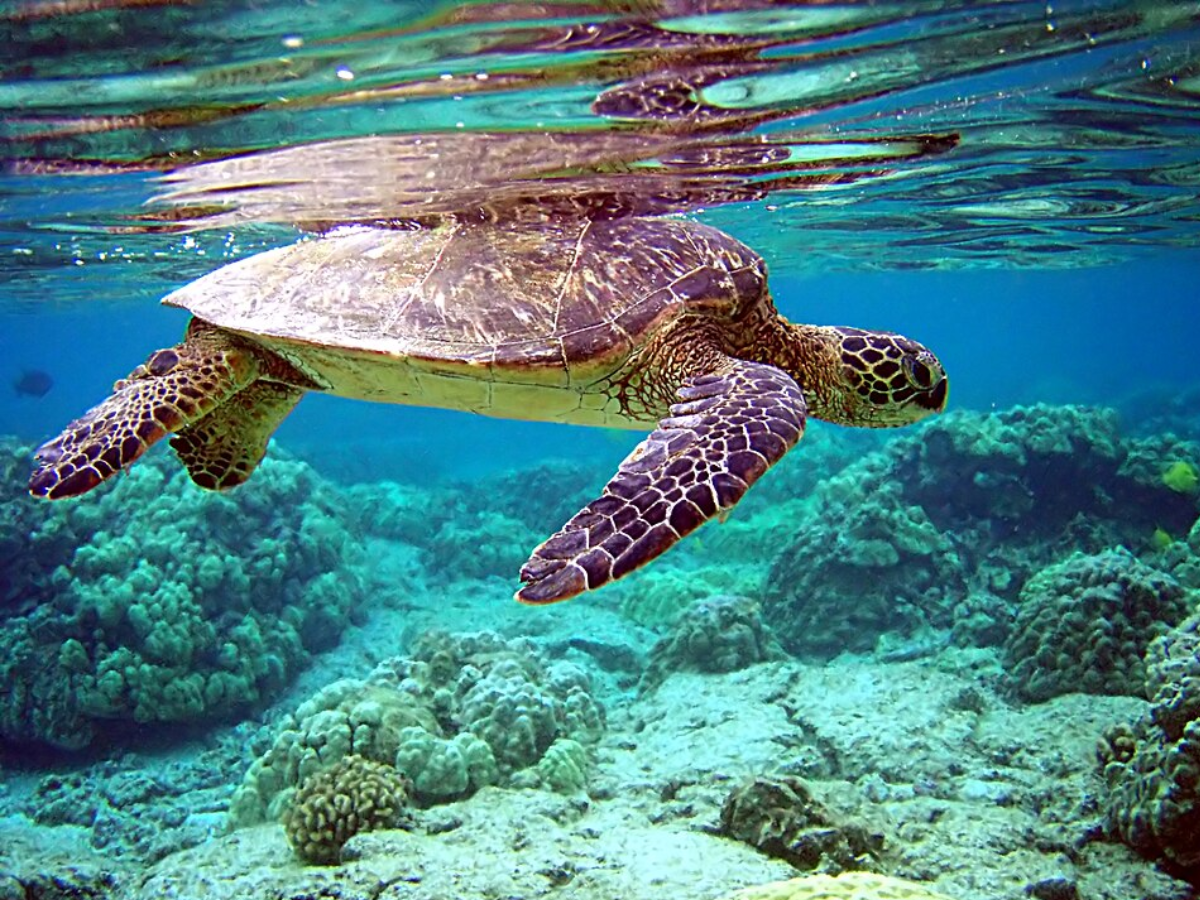
Image of a green Sea Turtle| Image Credit: Wikimedia Commons
Hundreds of reports are shaping researchThe reaction of the community has been impressive. As reported by NOAA Fisheries, close to 600 individuals have already recorded 688 sightings of 253 different turtles since the start of the Honu Count project in 2017.It is this very information that is used for further scientific research. Reportedly, studies describe how shell etching, participation in the study from the community, and the online survey contributed to a more accurate evaluation of the Hawaiian green sea turtle population.As found by the researchers, the information provided by the community is extremely useful in terms of the identification of foraging areas. As noted by the scientists, community-collected data may contribute to better identification of foraging sites and understanding the way in which turtles utilise their marine habitats throughout the Hawaiian Islands chain.According to reports, data collected through the reporting programme provided valuable insights into locations where turtles gathered to feed.Strengthening conservation through community involvementAccording to scientists, the programme has far greater significance than mere data collection. The Honu Count programme has also contributed towards raising awareness of conservation and turtle research among the general public.As mentioned, reports provided via the programme can be used by scientists to determine habitat utilisation, track nesting sea turtles that have returned from their reproductive migration, and analyse how the population of sea turtles will respond to the environmental change, which could include impacts of global warming.The project is an example of how citizen involvement can supplement conventional forms of wildlife monitoring. While satellite tracking is an important technology, the low-cost approach of shell marking and citizen reports can provide valuable data. Each photo that researchers receive is another piece of the much bigger picture. For ordinary citizens, the sighting of a tagged turtle could become part of scientific research.An idea born out of worries about the defacement of turtles has become a collaboration between scientists and the local community in order to ensure that the turtles of Hawaii, known locally as honu, are preserved.








 English (US) ·