

 55 minutes ago
2
55 minutes ago
2
ARTICLE AD BOX
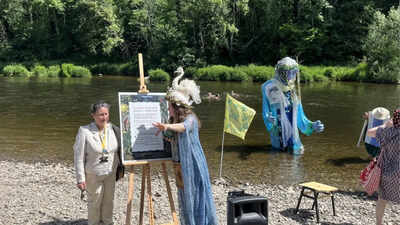
In a landmark environmental move, the River Wye has become the first river in the UK to receive cross-border “rights of nature” recognition across its entire catchment, stretching from its Welsh source to the Bristol Channel.The charter, unveiled at the Hay Festival in Hay-on-Wye on Sunday, formally recognises the river as a living ecosystem with intrinsic rights, a first-of-its-kind step campaigners hope will strengthen efforts to rescue the heavily polluted waterway.The agreement has already been adopted by Herefordshire and Powys councils and is expected to soon receive backing from Gloucestershire and Monmouthshire authorities, covering the river’s full course through Wales and England.
What rights does the River Wye now have?
The charter grants the River Wye six key rights aimed at protecting and restoring the ecosystem:The right to flow and perform natural functionsThe right to biodiversityThe right to be free from pollutionThe right to be supported by a healthy catchmentThe right to regenerateThe right to representationSupporters say the framework is intended to guide future policy and environmental decision-making around the river.
‘River’s health must be protected’Jackie Charlton, Powys council’s cabinet member for a greener Powys, described the move as a “clear statement” on the importance of safeguarding the Wye.“The River Wye is central to our environment, communities and heritage. By adopting this charter, we are making a clear statement that the river’s health matters and must be protected,” Charlton said.Councillor Elissa Swinglehurst of Herefordshire Council, who signed the charter, said the initiative could inspire similar protections for rivers across Britain.“Imagine if the Severn did it, then the Avon, then the Thames. If every river did this, constitutional change to consider the rights of nature becomes possible,” she said.Pollution crisis pushes river to ‘cliff edge’Despite being protected under conservation laws, the River Wye has suffered severe ecological decline over the past decade.Campaigners blame nutrient pollution caused by intensive poultry farming and sewage discharges for triggering algal blooms and excessive weed growth, depriving aquatic life of oxygen.Natural England has downgraded the river’s condition to “unfavourable – declining”.Environmental activist Angela Jones warned that symbolic recognition alone would not save the river.“The charter is an important and historic statement of intent. What is needed now is urgent action — stronger regulation of intensive poultry operations, meaningful limits on nutrient pollution, proper enforcement against offenders, and a fully funded restoration strategy,” she said.‘Voice of the Wye’ appointed to represent riverEarlier this year, ecologist Dr Louise Bodnar was appointed as the first official “Voice of the Wye”, becoming a voting member of the Wye Catchment Nutrient Management Board.Her role is designed to represent the river’s ecological interests during official discussions and management decisions.The launch event saw hundreds of supporters walk from the Hay Festival grounds to the banks of the Wye in a public show of support for the charter.Part of growing global ‘rights of nature’ movementThe River Wye initiative reflects a wider global movement that seeks to grant legal rights to ecosystems and natural entities.Rivers in countries including Ecuador, Canada and New Zealand have already been recognised with legal personhood or similar protections.In the UK, the River Ouse in Sussex became the first English river to gain a rights charter last year, though the Wye is the first in Wales and the first full river catchment in Britain to receive such recognition from source to sea.








 English (US) ·