

 12 hours ago
5
12 hours ago
5
ARTICLE AD BOX
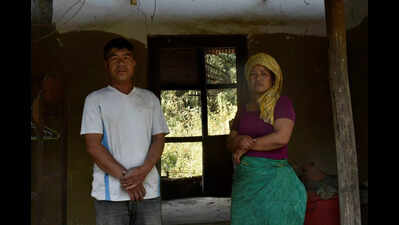
In the serene landscape of Leimaram Waroiching, the return of over 250 displaced families after a two-year hiatus ignites a flicker of hope. Elation fills the air as they step back onto their ancestral soil, yet the path ahead is fraught with challenges.
Imphal: The morning sun settled gently over Leimaram Waroiching, casting long shadows across the village that is only beginning to breathe again. Dilapidated houses stood like skeletons, but they were no longer abandoned.
From inside one of the kitchens, smoke curled into the air.Just a few days ago, more than 250 internally displaced persons (IDPs) belonging to 64 households returned to their homes at Leimaram Waroiching in Bishnupur district, after spending over two years in relief camps. Everyone seemed busy, trying to piece together fragments of what once formed their lives.Sarat Leichombam (43) ran his hands along the rough edges of the crumbled mud walls as he prepared to renovate his house.
“It was a full moon day, considered auspicious for the Meiteis, that the villagers returned home. Moonlight crept in through the crumbled mud walls and the shattered roof. It was a cold night as well, but it was almost comforting for I was finally home. I wept happy tears,” he said.Many of the returning villagers had left in haste during the unrest, taking little beyond what they could carry. Their homes, exposed to weather and abandonment, have since crumbled.
Returning, however, is only the first step. The more daunting journey lies ahead — rebuilding their lives.“We are happy to be finally home, but rebuilding our lives will take time. The administration said Rs 75,000 will be provided to each family for renovating or rebuilding the houses. While houses in the Leimaram Waroiching were not razed during the violence, most of them are in dilapidated conditions as they were abandoned for more than two years,” Sarat said, adding Rs 75,000 will not be enough.“Besides, it is not only our homes that we are renovating, but our livelihoods were lost during the conflict. Sufficient long-term aid and rehabilitation measures from the authorities are critical,” he said, seeking livelihood support from the authorities.For Sarat and many like him, the return is not simply about reclaiming property but about reclaiming identity, memory and dignity. It is about rebuilding not just structures, but a way of life disrupted by conflict.Meanwhile, security posts were set up in different periphery areas of the village, and the villagers are required to mark their entry at these checkpoints. Though they have resettled to their village, their movement beyond certain points remains restricted for security reasons.Resettlement of a few hundred IDPs to their homes is still a very small number, considering over 50,000 were displaced. However, the resettlement ignited hopes in the hearts of the villagers.






 English (US) ·