

 1 hour ago
4
1 hour ago
4
ARTICLE AD BOX
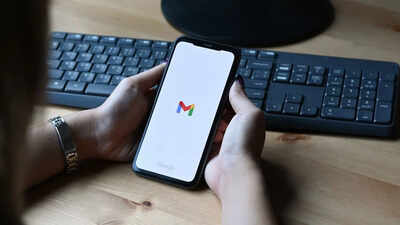
In early 2004, news of a new email service from Google started doing the rounds. It came on 1 April, which already made people cautious. The company had a habit of using that date for jokes.
So when details of Gmail appeared, the reaction was not immediate excitement but came up with a doubt. The figures sounded unrealistic for the time. A free inbox with 1 gigabyte of storage did not match what most users were used to. Some readers even reached out to news organisations, suggesting the reports might be part of a prank. It took a little while before it became clear that this was not a joke, but an actual product launch.
Why the Gmail launch felt like an April fool’s joke
The response was shaped by what Google had done before. Its founders, Larry Page and Sergey Brin, had already made April Fool’s announcements a regular thing. These were often exaggerated ideas that were never meant to be real. Some involved unusual concepts, others leaned into humour. By 2004, people expected Google to say something surprising on that date, but not something practical or usable. So Gmail, at first glance, seemed to fit the same mould.
Most inboxes had tight limits. Users had to keep an eye on space. Messages were deleted regularly just to make room for new ones. Services from major providers did not offer much flexibility. Then came the claim of 1 gigabyte.The number was far beyond what users were used to. It suggested that thousands of emails could be stored without needing to delete anything. For many, that idea did not seem practical in 2004.
Why the Gmail launch felt like an April fool’s joke
Gmail also introduced features that were not common then. Search was built into the inbox.
Instead of relying on folders alone, users could type a word and find messages quickly. This approach reflected Google’s core focus on search technology.The former Google executive Marissa Mayer who helped design Gmail and other company products later explained that the service focused on three main ideas: storage, search and speed.
Why Gmail started with restricted access
Even after the announcement, access to Gmail remained restricted. Google did not have the resources to open it to everyone immediately.
The number of servers available was limited, and that affected how many users could join. People needed an invitation from someone who already had access. This created demand, invitations became valuable, and in some cases were traded online.
Gmail growth after public launch in 2007
Google added more infrastructure, which allowed more users to sign up. The invite-only system remained for a while, but it slowly opened up. By 2007, Gmail became available to the general public.
From that point, growth accelerated. More users joined, and the service continued to develop. Storage increased, and additional tools were added. Today, Gmail has around 1.8 billion users worldwide. Accounts now include storage shared with services like Google Drive and Google Photos.
Gmail April fool’s day launch sparked early doubt
The choice of date played a role in how Gmail was received. Announcing it on April Fool’s Day created uncertainty. It made people question the accuracy of the information. Paul Buchheit, who worked on the project, later suggested that the reaction reflected how different the service seemed at the time.What appeared doubtful in the beginning eventually became widely accepted. Gmail went from being questioned to becoming a standard tool used across the world.









 English (US) ·