

 4 days ago
8
4 days ago
8
ARTICLE AD BOX
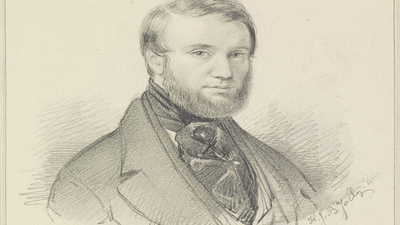
Jean Baptiste Jolly shines with timeless quiet elegance glow. Image Credit: Wikimedia Commons
An event that is often cited in popular fabric care history is an accident that happened around the 1820s when an employee in a household in France spilt the contents of a lamp onto an unwashed tablecloth.
Ultimately, the lamp oil removed the stubborn stains from the tablecloth. This incident worked well in history because everyone could visualise the remarkable transformation. In addition, it could be reasoned that the lamp oil and other drenching fluids could be employed to cut through grease and dirt without the use of washing water. The historical accounts track this event as the start of the invention of dry cleaning.
The story became the origin point for modern dry cleaning. The spill that made people take a second look The best-known origin story dates back to 1825 and occurs in France. An account published in a monograph by the International Agency for Research on Cancer titled Dry Cleaning, Some Chlorinated Solvents and Other Industrial Chemicals, mentions that a servant in the household of Jean-Baptiste Jolly spilt the contents of a lamp on a dirty tablecloth, and the drops vanished as the cloth dried.
It is noted that the liquid was probably camphene and not technically kerosene. Still, the essential idea is that this accidental occurrence showed the ability of a non-water solvent to clean fabric in a way that was unexpected for people at the time.
Such a revealing occurrence is simple enough to be remembered; that is why this story is two centuries old. The spill happened in a domestic context and was interpreted by the IARC not as a myth but as the beginning of the development of a technique that later on spread to the whole of Europe and even further.
For a contemporary reader, this episode is indicative of the moment when a domestic incident resulted in the discovery of a phenomenon that was reusable, testable, and marketable. The historical monograph reveals a sequence representing early solvents: camphene, benzene soap, benzine, naphtha, and gasoline. The accident that prompted this sequence of solvents was the first of many efforts to commercialise dry cleaning.
This first generation of dry cleaning was extremely dangerous. Each new dry cleaning solvent was a clear fire hazard. The industry used solvent systems of volatile liquids to remove fabric stains.
The industry was clearly aware of safety issues. Ultimately, the industry solved the problem of flammability. The historical monograph reveals that the introduction of an innovative low-flammability solvent by W. J.
Stoddard in 1928 was a breakthrough that the industry quickly embraced. The invention of low-flammability dry-cleaning solvent was a significant departure from a clever home-based discovery of an emerging service industry.
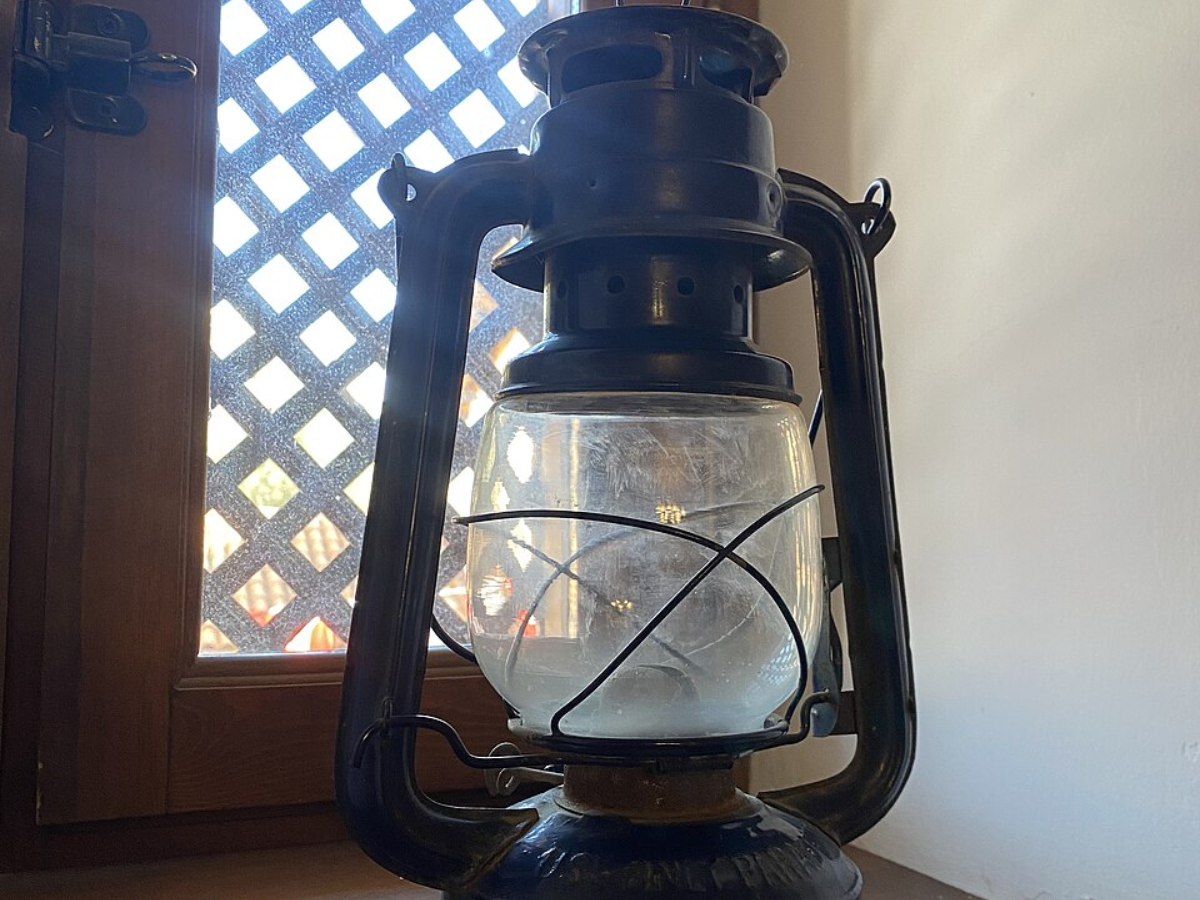
Vintage kerosene lamp glowing warmly in the dark night. Image Credit: Wikimedia Commons
How the industry changed over time The latter stages of the development of the dry cleaning industry demonstrate a clear trend away from highly flammable solvents and towards more stable chemicals. A detailed account found in Frontiers in Public Health shows that early dry cleaning heavily relied on hydrocarbon solvents (gasoline, kerosene, benzene, turpentine, etc.).
This is due to the low temperature at which these non-aqueous solvents can dissolve and remove fatty soiling, which illustrates the dramatic and instantaneous cleaning of tablecloths in the early examples given. The industry then concentrated on using chlorinated solvents in order to remove the risks of flammability.
This then created several modern-day dry cleaning problems, including the build-up of indoor air quality and safety issues. What began as a relatively innocent household problem conveniently solved in France has now gone on to fuel a vast and varied commercial solution employing the science of solvents, the science and art of occupational safety, as well as evolving legal regulations.







 English (US) ·