

 1 hour ago
1
1 hour ago
1
ARTICLE AD BOX
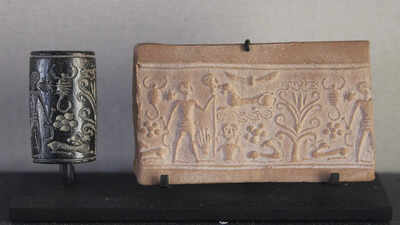
A farmer's plough struck a tomb in Syria in 1928. This led to the discovery of the ancient city of Ugarit. Archaeologists found clay tablets with a unique cuneiform script. Image Credit: Wikimedia Commons
At times, some of the biggest revelations about our past can be found in the most mundane locations. Early one spring morning in 1928, a common peasant was busy ploughing his land in the sunlight near the Mediterranean coast in north Syria.
His task that day was to use his agricultural plough in his usual farming field near a harbour known as Minet el-Beida. As he was ploughing, his plough suddenly struck against something very hard underground.Curious about what was resting beneath his crops, the farmer cleared away the surrounding dirt. He discovered that his farming tool had accidentally broken directly into a beautifully constructed, ancient vaulted stone tomb.The owner of the property had no idea that this agricultural mishap would become the final straw that led to an international scientific event. Faced with such surprising ruins, the government sought out the experts in conservation, and as a result, a scientific mission from France arrived in the area to conduct some excavations. The digging went on until the neighbouring Ras Shamra mound was included in the diggings, and eventually the entire city was discovered buried under the surface of the ground.
Discovering an advanced system of communication written in cuneiform clayThe discovery of this buried city became extremely important to modern historians due to the fact that it yielded a collection of invaluable records. As stated in one archaeological source titled Discovering the kingdom of Ugarit (Syria of the 2nd millennium), many baked clay tablets were discovered inside the palaces and houses.Instead of reading typical picture-based hieroglyphs, language experts were stunned to find a highly innovative, local script consisting of thirty distinct wedge-shaped signs.However, this particular writing method is not a primitive local dialect but rather a remarkable technological achievement in human history. According to the specific research by Mary E. Buck called The Amorite Dynasty of Ugarit, this writing language can be regarded as one of the first alphabet systems that existed in history. Unlike previous writing languages that used a vast number of symbols which could not be learned for several years, the people from Ugarit managed to transform wedge symbols into an effective alphabet system where every letter denoted a certain sound.
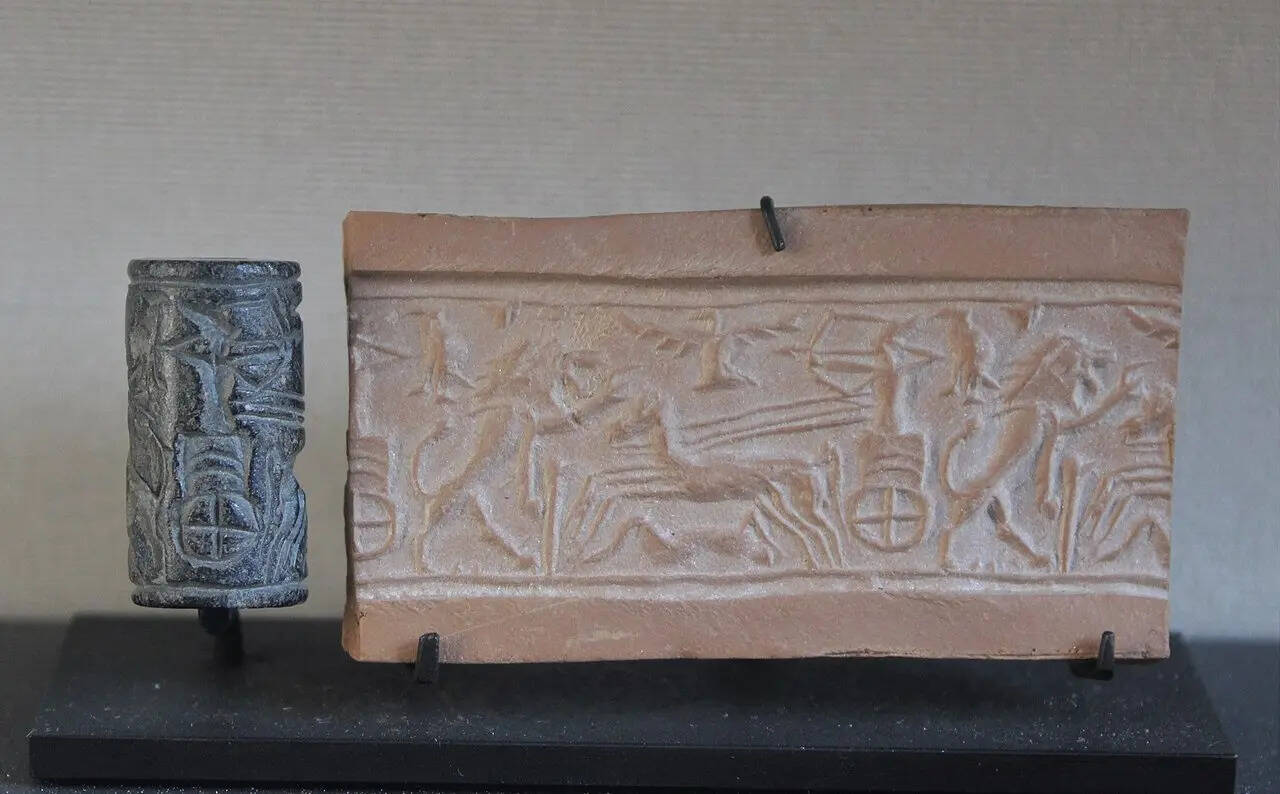
French archaeologists discovered thousands of clay tablets revealing a sophisticated cuneiform alphabet, one of history's earliest. These texts unveiled a vibrant cosmopolitan hub, detailing trade, poetry, and diplomacy, offering a direct window into Bronze Age Levantine culture and its lasting impact. Image Credits: Wikimedia Commons
The bustling reality of an active cosmopolitan crossroadOnce linguists managed to decipher these texts from clay tablets, they understood that life in this ancient town was quite vivid, diverse, and interactive. From these texts, scholars discovered that it was a busy crossroad of trade between Egypt, Mesopotamia, and the Aegean world. Besides, the content included much more information than just administrative lists; these texts contained poetic songs, legal documents, and international diplomacy.The unearthed literature provided historians with an authentic, direct view of the culture and religious traditions of the ancient Levant, allowing the Bronze Age to speak clearly in its own raw, contemporary voice.Today, such precious relics grace many well-known exhibitions in public galleries, becoming a source of admiration for all who realise how much the achievements of today’s society owe to the trials and successes of the past civilisation.
The great lesson learned from the excavation at Ras Shamra reveals how groundbreaking discoveries can occur under the least expected circumstances. It teaches us that a groundbreaking discovery is not always the result of premeditated corporate efforts; rather, sometimes, it is enough to till a plot of land and hit a buried stone.It seems both a humbling and dizzying realisation that, as the local population toiled for centuries growing the seasonal crops on that calm coast of Syria, the basic characters that constitute human literacy were lying in complete silence under the roots of these very crops.









 English (US) ·