

 4 days ago
12
4 days ago
12
ARTICLE AD BOX

The child raised concern about hot-car deaths. Image credit - Facebook/End Car Hot Deaths
Whereas many children tend to move on after hearing about a tragic news story, Bishop Curry didn't. He came up with his invention in 2017 after asking his father a question about children dying from overheating inside cars.
He wanted to know why vehicles couldn't provide alerts prior to a parent getting inside a vehicle. This question led to the birth of "Oasis," a safety product that warns parents if a child is left inside the car and temperatures are beginning to rise.The main reason why people found this story so fascinating is the inventor's young age. However, there is an important issue behind this story. Specialists say that the cases where children die inside cars occur due to simple forgetfulness on the part of caregivers.
In other words, what this teenager developed was a viable solution to a real-world problem.An overlooked issue among many familiesThis scientific research, published in PubMed, investigated 171 fatalities from heat stroke while left alone in hot cars among American children and established that 73 percent of these incidents occurred because of children being inadvertently left alone in vehicles by adults. The results of this study affected the approach taken by numerous experts on the subject of hot car fatalities.
No longer were they looking only into awareness-raising programs but also into technological and warning innovations as ways to prevent fatalities.As safety researchers noted in several health care review articles over the years the danger frequently stems from common human memory failures. This is what made reminders and monitoring technologies more and more popular over the course of the last ten years. The moment Curry invented Oasis, his product joined the discussion about preventing hot car fatalities.How the Oasis product was supposed to functionAccording to the information released about the Oasis device, it was designed to track the temperature in a vehicle and detect whether there was a presence of a child after the car stopped driving. Curry eventually received a patent for his invention, and the concept garnered media attention across the nation as well as the endorsement of many safety advocates.It was particularly important since it focused on the time when this kind of tragedy is likely to occur. Studies show that children's body temperature rises faster than that of adults when they are left alone inside cars on hot days. One scientific review published in the European Journal of Pediatrics states that temperatures in enclosed automobiles can increase extremely fast, even when the outdoor temperature is not high enough.
The study warned that fatal heat stroke in a young child can occur quickly inside sealed automobiles.Medical information makes it clear that timing is crucial when dealing with these tragedies. A reminder issued just a few minutes prior to a situation becoming life-threatening would be helpful for saving a young life.
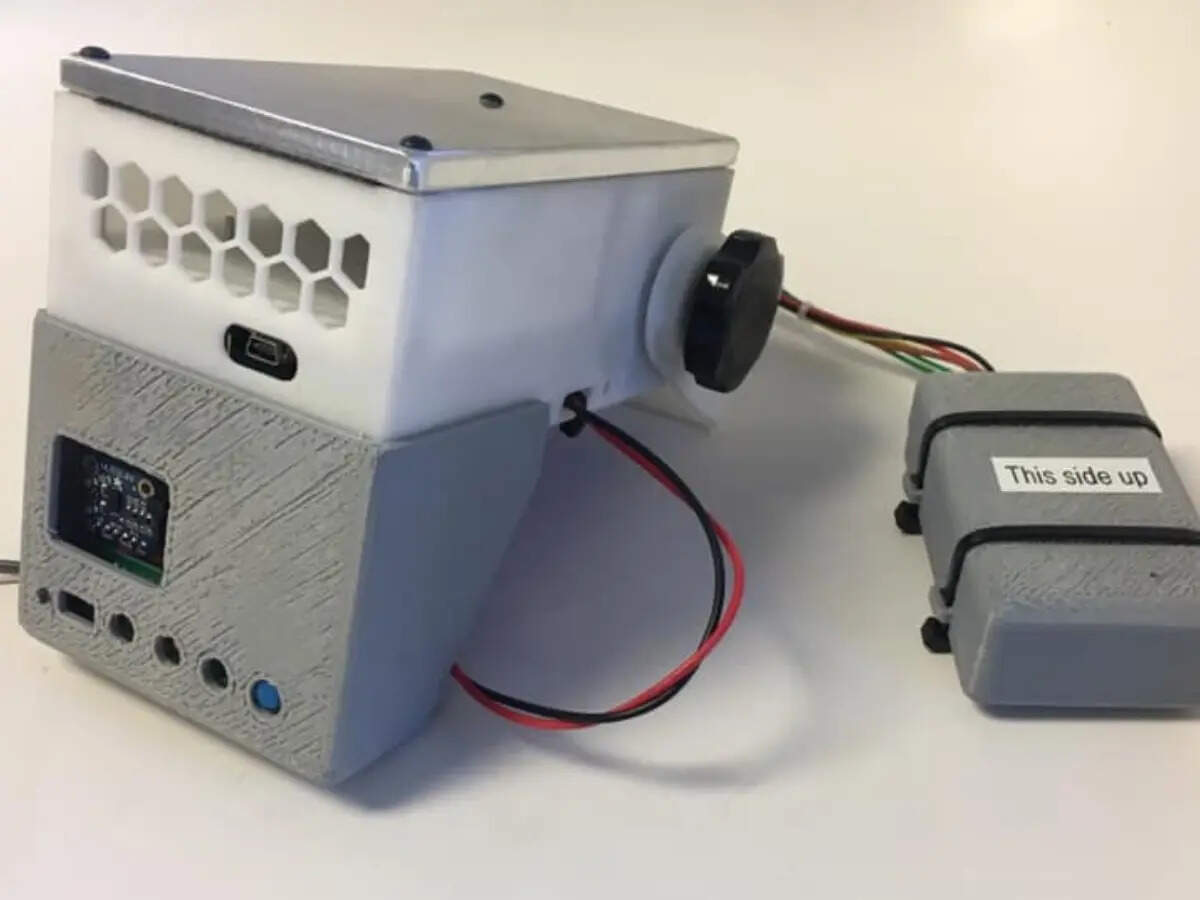
The child’s innocent idea led to a patented device with real public-health value. Image credit - Facebook/End Car Hot Deaths
Experts had been analyzing reminder mechanisms beforeCurry's invention could be the result of a young child's ideas, but the issue had been extensively researched beforehand by experts.
The agency reviewed the systems used for detecting children seated in the backseat and alerting the driver before exiting the vehicle. In that regard, the Oasis invention was more credible.Experts have established the fact that public awareness alone is not sufficient. People tend to believe that they would never leave their children in their cars. However, scientific literature demonstrated otherwise by proving that even attentive people may experience lapses in their memory.
The product under consideration was consistent with this reality. Rather than criticizing negligent parents, it emphasized prevention.Significance of layered protectionRecent studies show that there is no one-size-fits-all solution when it comes to protecting kids from hot-car tragedies. For example, in a public health review published in PubMed demonstrated the benefits of layered interventions. The researchers encouraged using various strategies, including child detection, warning systems, ventilation, and emergency intervention devices.
This recommendation correlated with the ideas behind the device.Oasis was never intended as a universal solution for all cases. Instead, it offered a new layer of protection within a critical period. This approach is now considered very important by safety experts since these cases occur suddenly without much warning. Several studies also emphasized that prevention should use technology, public education, and behavior changes in combination.Why Oasis’ story keeps on runningThe appeal to people lay in part with its simplicity. The child learned about an avoidable tragedy and sought to address the situation immediately. Yet, the story also captured another element of innovation. Valuable innovations don’t necessarily emerge from big labs or companies. They can start with someone recognizing a failure that others have accepted.What made Curry’s idea so valuable was that it coincided with current knowledge in scientific research. There are elements of forgetfulness in hot car fatalities, situations quickly escalate into danger, and warnings can be lifesaving. Oasis stood out as a rare example of all three qualities in a child’s innovation.This is why so many families remembered this story. The 10-year-old was not merely dreaming about some future device. Instead, he realized the dangers involved and worked out how to overcome this potentially fatal problem.







 English (US) ·