

 1 hour ago
5
1 hour ago
5
ARTICLE AD BOX
As the conflict in West Asia rages, India and Pakistan have been found to be on opposite sides of the divide, but there was an exception.
New Delhi co-sponsored a resolution (Resolution 2817) at the UN Security Council that condemned the “egregious” attacks by Iran against Gulf Cooperation Council countries and Jordan and demanded immediate cessation of all attacks by Tehran while denouncing its threats of closure of the Strait of Hormuz.
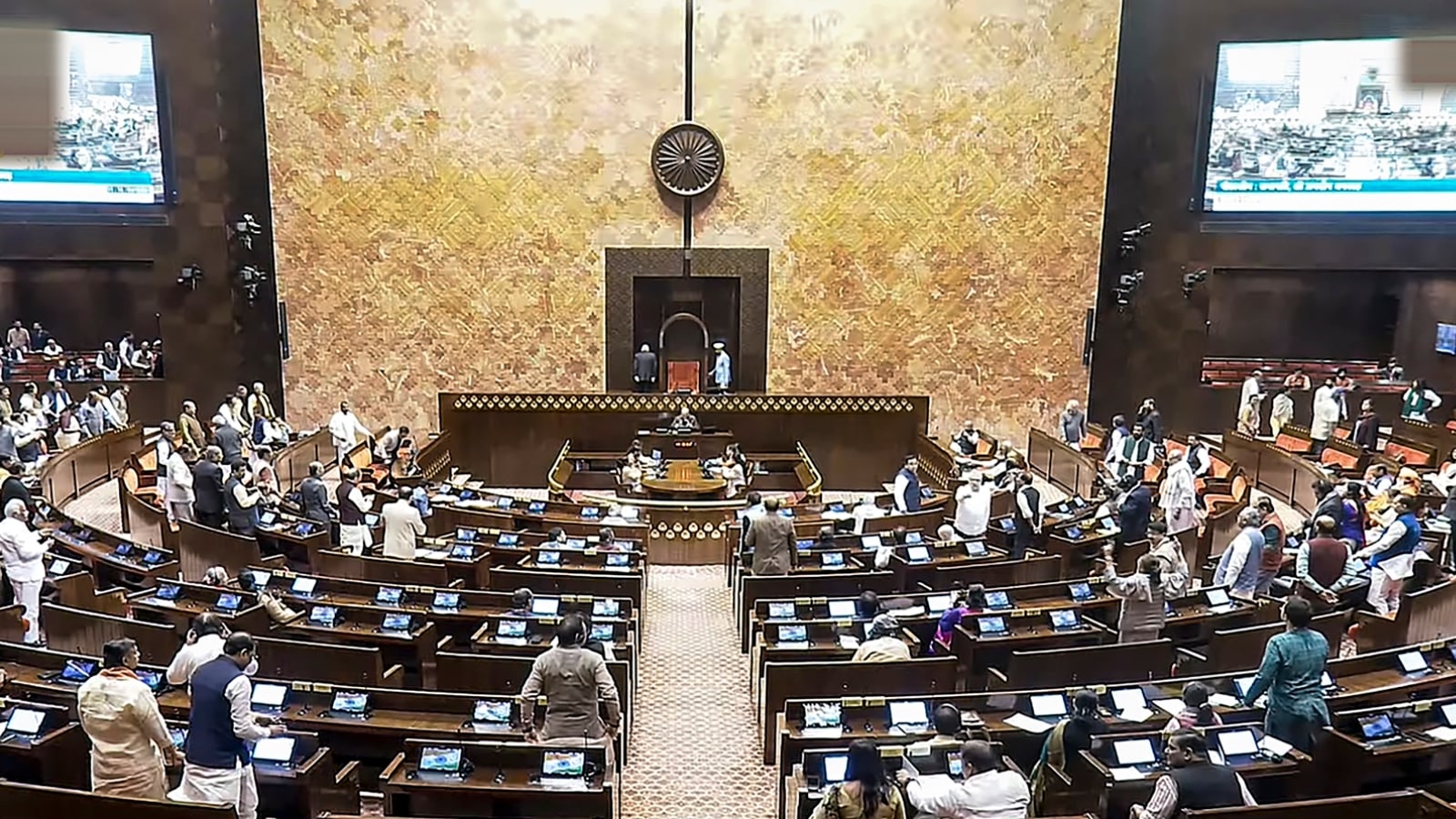
The 15-nation UN Security Council, currently under the presidency of the United States, adopted the resolution on Wednesday with 13 votes in favour, none against and abstentions by veto-wielding permanent members China and Russia.
The 13-0 vote at the UNSC saw China and Russia — two Iranian allies — abstaining from Wednesday’s vote, allowing it to be approved.
India co-sponsored the Bahrain-led resolution along with over 130 nations including Australia, Austria, Bangladesh, Bhutan, Canada, Egypt, France, Germany, Greece, Italy, Japan, Kuwait, Malaysia, Maldives, Myanmar, New Zealand, Norway, Oman, Pakistan, Qatar, Saudi Arabia, Singapore, Spain, Ukraine, United Arab Emirates, UK, US, Yemen and Zambia.
The resolution, which had a total of 135 co-sponsors, reiterated its strong support for the territorial integrity, sovereignty and political independence of Bahrain, Kuwait, Oman, Qatar, Saudi Arabia, the United Arab Emirates and Jordan.
It condemned in the strongest terms the egregious attacks by Iran against the territories of Bahrain, Kuwait, Oman, Qatar, Saudi Arabia, the United Arab Emirates and Jordan and determined that such acts constitute a breach of international law and are a serious threat to international peace and security.
Story continues below this ad
The resolution demanded immediate cessation of all attacks by Iran against the GCC countries and Jordan. It called upon Tehran to “immediately and unconditionally” cease from any provocation or threats to neighbouring states, including the use of proxies.
It reaffirmed that the exercise of navigational rights and freedoms by merchant and commercial vessels, in accordance with international law, must be respected, particularly around critical maritime routes, and takes note of the right of member states, in accordance with international law, to “defend their vessels from attacks and provocations, including those that undermine navigational rights and freedoms”.
The resolution condemned any actions or threats by Iran aimed at closing, obstructing, or otherwise interfering with international navigation through the Strait of Hormuz, or threatening maritime security in the Bab Al Mandab, the strait between Yemen on the Arabian Peninsula and Djibouti and Eritrea in the Horn of Africa.
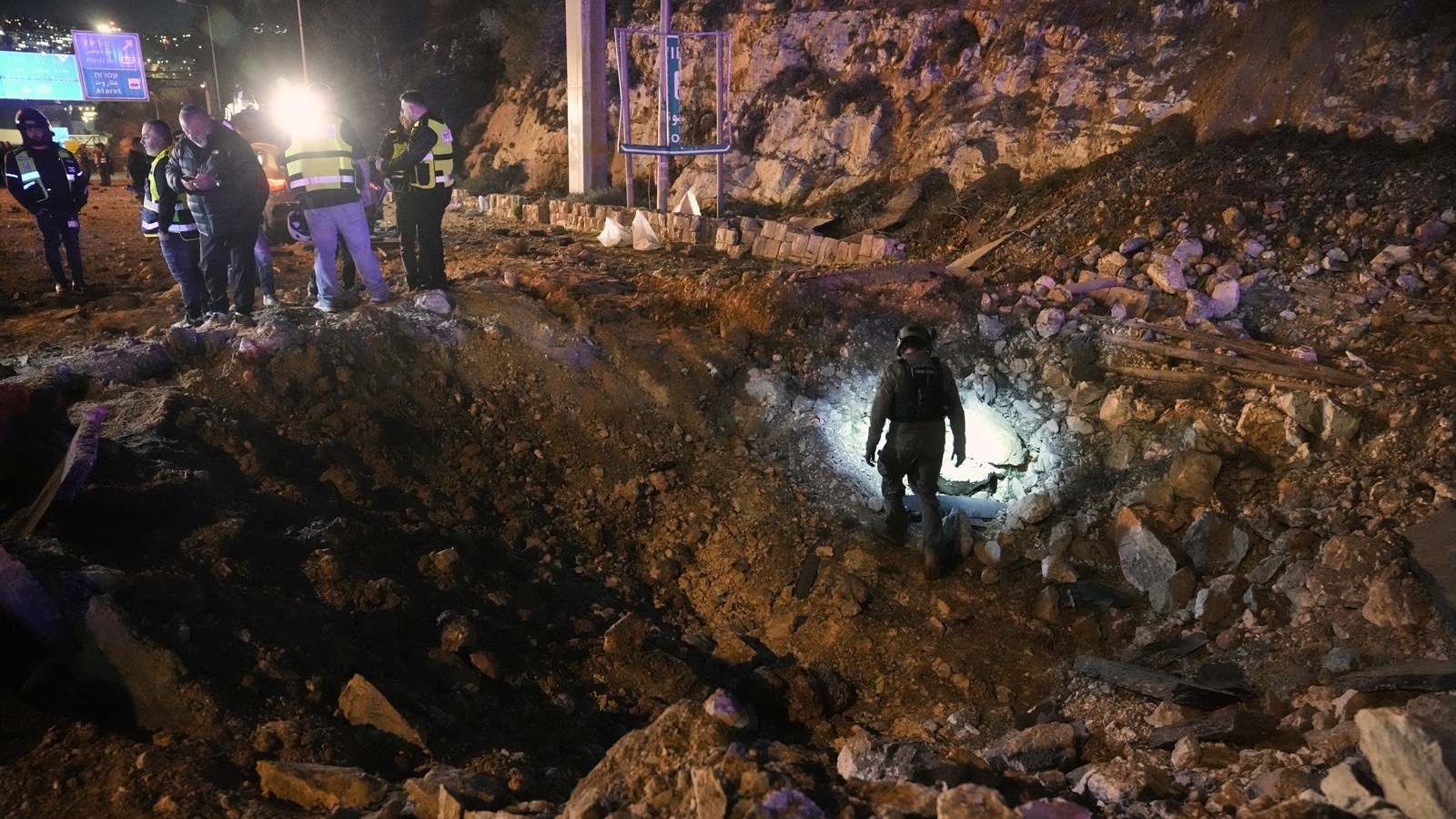
The resolution further condemned the attack on residential areas and civilian centres and expressed solidarity with the affected countries and their people.
Story continues below this ad
It called upon Iran to comply fully with its obligations under international law, including international humanitarian law, particularly regarding the protection of civilians and civilian objects in armed conflict.
The UNSC also voted on a draft resolution submitted by Russia. The draft text failed to be adopted because it did not garner the nine favourable votes required. The one-page text made no mention of Iran, Israel, the US or the Gulf states — the countries involved in the conflict — but simply urged cessation of military activities.
It received four votes in favour (China, Russia, Pakistan and Somalia), two votes against (Latvia and the US), and nine abstentions.
Many nations called it hypocritical for Russia to call for an end to hostilities at a time when it was waging a war against Ukraine.






 English (US) ·