

 1 hour ago
6
1 hour ago
6
ARTICLE AD BOX
Last Updated:March 04, 2026, 16:21 IST
Bahrami said nuclear weapons aren't in Iran's doctrine, and a deal with US was near before the strikes. He also dismissed regime-change talk as political fantasy


For the second time in ten months, diplomatic processes were interrupted mid-course, the assistant minister said. Image: @Bahrami1962/X
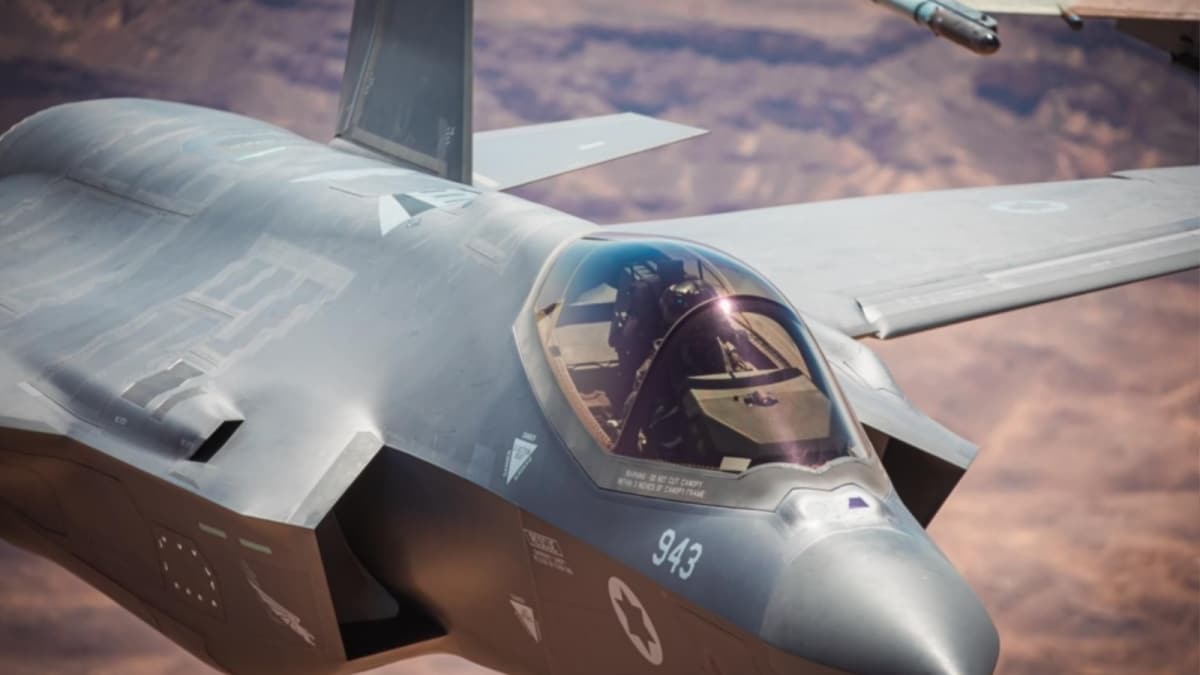
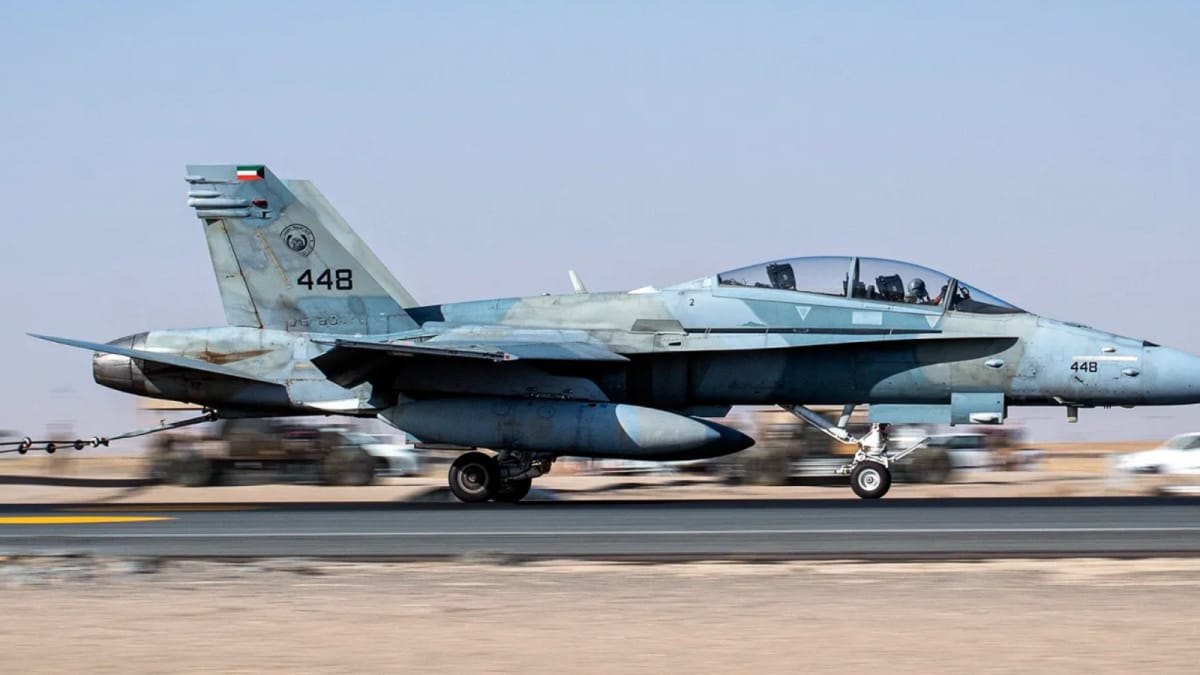
Missiles over Tel Aviv. Airspace closures across the Gulf. Tense statements from Doha, Kuwait City, and Abu Dhabi. Fresh exchanges along the Israel–Lebanon border. What began as a confrontation between Iran and Israel, with the United States drawn in militarily, has now rippled across West Asia, unsettling energy markets and forcing regional capitals into urgent diplomacy.
The conflict has also taken a dramatic internal turn inside Iran. Iranian state media has confirmed that Supreme Leader Ali Khamenei, the country’s most powerful figure since 1989, was killed in joint US–Israeli airstrikes, and Tehran has declared 40 days of national mourning. This marks the first direct decapitation of Iran’s political leadership in decades and has triggered an expedited leadership transition.
Against this volatile backdrop, CNN-News18 spoke exclusively with Mohammad Reza Bahrami, Assistant Minister and Director General for South Asia at Iran’s Ministry of Foreign Affairs, who argued that what the region is witnessing is not an isolated flare-up but the outcome of deeper geopolitical fault lines and, in Tehran’s view, a war “imposed" on Iran.
‘This Was Not A War Iran Chose’
As military exchanges intensify and diplomatic channels shrink, Tehran maintains it did not initiate the conflict.
“This is a war that has been imposed upon us," Bahrami said. “It must be understood not as a temporary crisis or a bilateral dispute with the United States, but as the intersection of major structural shifts in the international system."
According to him, three forces are converging at once: great-power competition, the geopolitical reconfiguration of West Asia, and the gradual transition from a unipolar to a more complex global order. In that churn, he suggested, diplomacy has become collateral damage.
Talks Interrupted, Twice
Bahrami pointed to what he described as a troubling pattern. In June 2025 and again in February 2026, indirect negotiations between Tehran and Washington were underway when military confrontation escalated.
“For the second time in ten months, diplomatic processes were interrupted mid-course," he said, adding that in February a general framework for a phased understanding had reportedly been established. “Escalation at such a critical juncture raises serious questions about strategic priorities."
Notably, three rounds of engagement had taken place before tensions boiled over. The first was an indirect round hosted by Oman, followed by two rounds of direct talks between US and Iranian officials in Geneva. According to diplomatic sources, these discussions were aimed at crafting a phased de-escalation roadmap. That they were overtaken by military action, Bahrami suggested, reinforces Tehran’s belief that geopolitical calculations ultimately trumped negotiation.
Crisis Management Or Containment?
Is Washington seeking to manage a crisis or to limit Iran’s regional consolidation?
Bahrami framed it as the central strategic question. West Asia, he argued, is undergoing a profound reshaping—normalisation moves among some regional actors, new coalitions, and intensifying competition for economic and security influence.
“In such an environment, any development that stabilises or strengthens Iran’s position is viewed by some as an undesirable shift in the regional equilibrium," he said.
On Nuclear Weapons And Deterrence
In the months leading up to and following the outbreak of hostilities, Iran’s nuclear programme became a central and highly contentious issue. Data shared with the International Atomic Energy Agency (IAEA) before the war showed that Tehran’s stockpile of uranium enriched up to 60 per cent, a level significantly above what is needed for civilian reactors, had grown substantially. Estimates put this quantity at around 440 kg, enough, if further refined, to shorten the timeline to weapons-grade material significantly.
Relations with the IAEA deteriorated sharply after the US and Israeli strikes on Iranian nuclear sites in June 2025, prompting Tehran to suspend cooperation and expel international inspectors. Since then, the agency has lost “continuity of knowledge" about Iran’s enrichment activities and the precise location of existing enriched uranium, raising global concern about transparency.
However, responding to long-standing concerns, Bahrami reiterated that nuclear weapons “have no place" in Iran’s declared defence doctrine.
“Our defence posture is grounded in conventional deterrence and territorial defence," he said. “Iran has posed no direct threat to US territory or national security."
He described Iran’s military capabilities as defensive in nature, developed in response to perceived threats and aimed at raising the costs of aggression rather than initiating confrontation. “Its defence policy is based on conventional deterrence and territorial defence."
Regime Change ‘An Illusion’
On the growing rhetoric around regime change, Bahrami dismissed the idea as lacking legal foundation and international legitimacy.
“From a practical standpoint, it fails to account for the structural complexities of Iranian society," he said. “It appears rooted more in political fantasy than in strategic realism."
Why India Matters Now
Prime Minister Narendra Modi has been in conversation with leaders from Qatar, Oman, Kuwait, and the United Arab Emirates, emphasising de-escalation and regional stability. With New Delhi engaging Gulf leaders amid the crisis, Bahrami said independent Asian powers have a particularly important role.
“India has consistently defined strategic autonomy as the compass of its foreign policy, maintaining balanced relations with major powers," he noted. “As the world’s largest democracy and a leading voice of the Global South, India is expected not to remain silent but to adopt an active approach in the face of consequential regional developments."
Although he stopped short of prescribing specific steps, Bahrami suggested that a balanced and principled approach grounded in international law would be constructive.
“Iran and India are two ancient civilisations with deep historical and cultural ties," he said. “This legacy provides a meaningful foundation for responsible cooperation during sensitive and transformative moments."
First Published:
March 04, 2026, 16:21 IST
News world India Voice Of Global South, Cannot Remain Silent: Iran Assistant Minister Bahrami | Exclusive
Disclaimer: Comments reflect users’ views, not News18’s. Please keep discussions respectful and constructive. Abusive, defamatory, or illegal comments will be removed. News18 may disable any comment at its discretion. By posting, you agree to our Terms of Use and Privacy Policy.
Read More




 English (US) ·