

 1 hour ago
4
1 hour ago
4
ARTICLE AD BOX
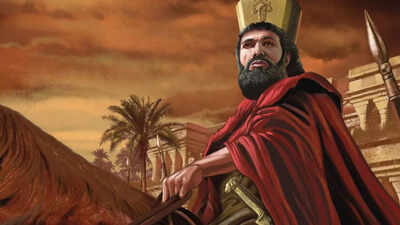
PC: Armstrong Institute of Biblical Archaeology
Cyrus the Great of Persia stands out even today, more than 2,500 years after his death. Not just for conquering vast lands, but for the way he did it. He wasn’t like other kings who would rely only on bloodshed.
His victories were massive, yet humane. And somehow, he managed to earn the loyalty of those he ruled.According to Armstrong Institute of Biblical Archaeology, Cyrus II reigned from 559 to 530 BCE. Ancient sources and archaeology show he created the largest empire the world had ever seen. Persia stretched from the Indus River in the east to the Aegean in the west, from the Danube in the north to Libya in the southwest.
Yet it wasn’t just the borders that mattered, it was how he treated people unlike previous empires, his rule wasn’t purely about fear.Cyrus’s empire, his victories, and his respect for human rights all resonate even today. He conquered nations, yet treated people with respect. He fulfilled prophecies written long before his birth. And he did it all without losing his humanity.
How Cyrus took Babylon by surprise without a fight
Babylon was legendary. Walls hundreds of feet thick, hanging gardens, mighty palaces which seemed impossible to breach.
The Euphrates river cut through the city like a silver ribbon, adding to the challenge. And yet, in 539 BCE, Cyrus pulled off what appeared miraculous.By diverting the Euphrates, he created a shallow riverbed. Persian soldiers waded in at night. And then the gates inside the city open. The Babylonians were celebrating, unaware of the looming conquest. Luck played a part, yes, but planning and strategy mattered more.
The city fell without the bloodbath that might have been expected.Babylon’s king, Nabonidus, and his son, Belshazzar, were stunned. Greek historians like Herodotus and Xenophon recorded the event. To this day, the fall of Babylon under Cyrus seems almost cinematic.
How he respected conquered peoples and helped the Jews return to Jerusalem
Cyrus wasn’t just a conqueror. He was reportedly the first true humanitarian ruler. The Cyrus Cylinder, discovered in Italy in 1879, shows his policies.
He allowed conquered peoples to keep their customs, religions, and governments. No mass executions. No forced assimilation.His most famous act? Releasing the Jews from Babylonian captivity. Not only did he let them return to Jerusalem, but he also financed their journey and the rebuilding of the temple. Experts say this level of generosity from a ruler with so much power is rare and almost unprecedented.
How Isaiah’s words seemed to predict Cyrus’s rule
The Bible mentions Cyrus long before he was born. Isaiah 44:28 talks about a man who would rebuild Jerusalem and the temple. Isaiah wrote roughly 150 years before Cyrus’s reign. It seems extraordinary. A king, centuries before his life, fulfilling prophecy. Some historians argue over the dating of Isaiah, but discoveries like the Dead Sea Scrolls confirm that the text existed well before Cyrus.Cyrus knew the Prophet Daniel, who likely guided him in Babylon. Perhaps this connection helped him understand his role. It might explain why Cyrus acted with such care and fairness.







 English (US) ·