

 1 hour ago
3
1 hour ago
3
ARTICLE AD BOX
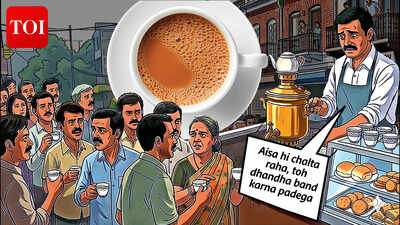
Hyderabad’s Irani cafés are hitting a wall. A worsening LPG supply crunch is driving up costs and depleting commercial stocks, posing an existential threat to the city’s flame-brewed tea. As gas cylinders become a luxury, café owners face a stark choice: adapt the traditional process to survive or sacrifice the quality that defines the chai.
In Hyderabad, Irani chai is more than a beverage; it is ritual, routine, and respite. From early morning office-goers to late-night addas, the city’s Irani cafés run on a steady rhythm of simmering tea, clinking glasses, and conversation.
But the recent LPG supply crunch has begun to test that rhythm. With commercial cylinders becoming scarce and expensive, café owners across the city are navigating a difficult question: can Irani chai, beloved for its slow, flame-brewed richness, adapt without losing its soul?LPG crunch triples induction costsFor large-scale operators, the challenge is not just taste, but volume. “We use about 100 to 150 litres of milk daily, across branches like Toli Chowki, Gachibowli, and Azampura.
Altogether, we’re looking at roughly 700 to 750 litres of milk every day,” says Samier Syed, founder of a tea store franchise.“This isn’t something we can risk experimenting with on alternatives like wood fire. Dishes like biryani or haleem can be managed that way, but milk is different. If something goes wrong, you could end up wasting over 100 litres at a time. That’s not a chance we can take,” he adds.The real strain, he points out, lies in the nature of the brew itself.
“Irani chai, by its nature, needs to be boiled for a long time to get that strong, ‘hard’ flavour. Compared to regular tea made at home, it consumes significantly more fuel. That’s where the real pressure is right now.” Some cafés have begun exploring alternatives. “In fact, we were among the first to start experimenting with induction for chai, mainly to better control temperature and maintain consistency through the day, given our scale.
But even that comes at a cost. Induction units that used to cost ₹15,000–₹20,000 are now being sold for as high as ₹53,000,” he says.
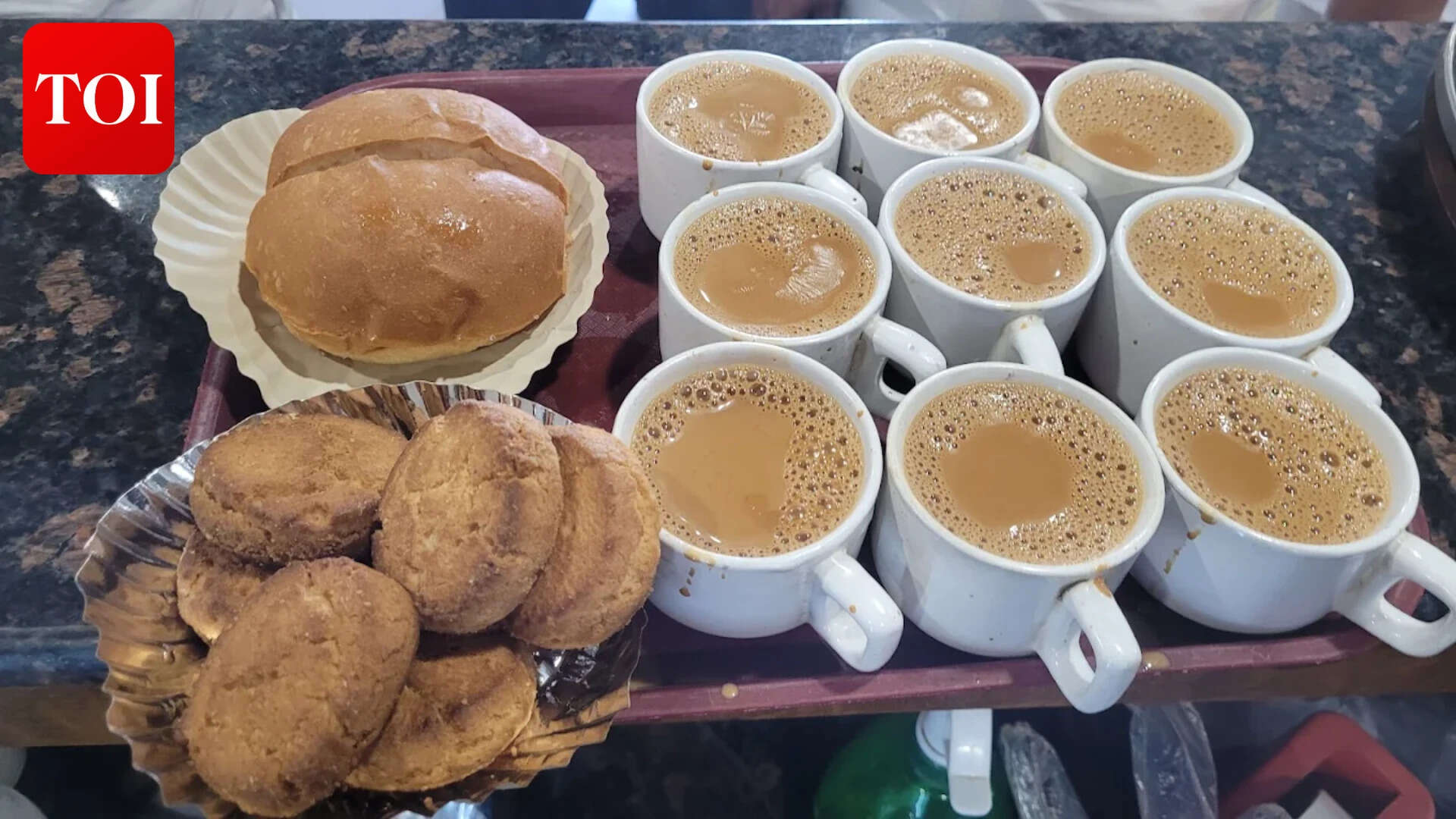
As cafés switch between LPG and induction, maintaining the signature thickness, flavour and colour of Irani chai remains a daily challenge
Low on gas, less on flavourFor smaller establishments, the crisis is more immediate. “For us, everything depends on that one cylinder,” says Mohammed Arif, a tea stall owner in Mallepally. “Earlier, we would keep the chai on a slow flame for a long time, let the decoction reduce properly, let the milk thicken… that’s what gives Irani chai its strength.”Now, that slow simmer is harder to sustain. “With gas being uncertain and expensive, we can’t afford to keep it on simmer like before. We’ve also had to increase our prices, which customers do question. But what can we do? Even the cylinder cost has gone up, and sometimes it’s not even available when we need it.”The workaround, smaller, more frequent batches, comes with its own trade-offs. “We end up making smaller batches more frequently, but that changes the consistency slightly through the day.
And it comes as no surprise when regular customers are able to tell the difference. They’ll say today it’s a little lighter or not as ‘kadak’ as usual.”The consistency crisisAt some cafés, the response has been a careful balancing act between LPG and induction. “The challenge is maintaining consistency from morning to night. Irani chai isn’t something you can rush. The decoction and milk both need time on controlled heat,” says Ali Reza, manager at a Persian café in Himayatnagar.“With LPG becoming unpredictable, we’ve started using induction for certain hours, especially during non-peak times, just to manage fuel usage. It helps with temperature control, but the heat is different. It doesn’t interact with the vessel the same way as a flame does.”That difference, he says, is subtle but real. “While most customers may not immediately notice, there is a subtle difference in texture and depth of flavour.
We’re constantly adjusting — when to use gas, when to switch — just to make sure the chai still tastes familiar to our regulars.”A ₹5 difference and what it meansAcross the city, the cost of a cup has quietly gone up by ₹2 to ₹5 at some places. For a drink built on affordability, that shift is being felt, even if it hasn’t deterred loyal drinkers. “A ₹2–5 increase may not sound like much, but when you’re having chai three or four times a day, it adds up.
Still, Irani chai is something I can’t skip. It’s part of my routine, especially during work breaks,” says Shaheen Fatima (41), a school teacher from Tolichowki.Others point to changes in taste alongside price. “For us, Irani chai is less about the price and more about habit. Even if it goes up by ₹5 or ₹10, we’ll still come. But yes, you do notice small changes in taste when the brewing isn’t the same,” says Sneha Kulkarni (27), a marketing executive from Himayatnagar.








 English (US) ·