

 1 hour ago
3
1 hour ago
3
ARTICLE AD BOX
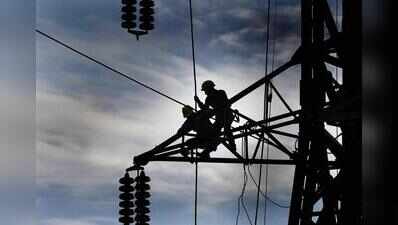
Bengaluru: The Karnataka Electricity Regulatory Commission (KERC) has taken a significant step towards restructuring the state’s power sector. It has notified draft regulations that provide non-discriminatory access to transmission and distribution networks.Experts say the move could accelerate the entry of private players and lay the groundwork for competition in a sector long dominated by state-owned electricity supply companies (ESCOMs).KERC recently released the draft Karnataka Electricity Regulatory Commission (Connectivity and General Network Access to the Intra-State Transmission and State Distribution System) Regulations, 2026, inviting public comments and suggestions before finalisation.
The regulations are proposed to come into force from Oct 2026.The draft framework introduces a comprehensive general network access (GNA) mechanism that will enable generators, captive power producers, renewable energy developers, energy storage operators and eligible consumers to access Karnataka’s transmission and distribution infrastructure on a non-discriminatory basis.Industry observers say the regulations are aligned with the Centre’s broader vision of separating the electricity “wires” business from power supply, allowing consumers to purchase electricity from suppliers of their choice while continuing to use the existing transmission and distribution network.
“These regulations lay the foundation for a more competitive electricity market. While they do not directly permit private supply licensees, they create the network architecture necessary for multiple suppliers to operate over a common grid and remove key infrastructure barriers that have historically restricted competition,” said a Bengaluru-based power sector analyst.One of the most significant provisions relates to open access.
Under the draft regulations, consumers with a contract demand or sanctioned load of 100 kW and above will continue to have the option of procuring electricity from sources other than their local distribution licensee. The lower threshold is expected to widen the pool of consumers eligible for open-access power procurement and could strengthen the business case for future private electricity suppliers.Industry bodies believe the reforms could eventually increase competitive pressure on state-owned Escoms if broader power-sector reforms proposed at the national level are implemented in Karnataka.Large industrial and commercial consumers, which contribute a substantial share of utility revenues, stand to gain greater flexibility in sourcing cheaper or greener power through open-access arrangements. Consumer groups, while welcoming the prospect of greater choice, have urged regulators to ensure adequate safeguards so that residential consumers are not adversely affected by any future changes in market structure.








 English (US) ·