

 1 hour ago
5
1 hour ago
5
ARTICLE AD BOX
Last Updated:March 03, 2026, 13:56 IST
Iran's next supreme leader: Hassan Khomeini is one of three clerics Ayatollah Ali Khamenei nominated to Assembly of Experts as potential replacements in case of his assassination


Hassan Khomenei is viewed as a relative moderate. (Wikipedia)
Hassan Khomeini, the grandson of the Islamic Republic’s founder Ayatollah Ruhollah Khomeini, has emerged as a prominent figure in the deliberations to find a successor following the death of Supreme Leader Ayatollah Ali Khamenei on February 28.
While the Assembly of Experts is constitutionally tasked with selecting the next leader, several reports indicate that Hassan Khomeini is not just “finding" a successor but is actually a top contender for the position himself, according to Reuters and other reports.
Who is Hassan Khomeini?
The Independent reported that Khomeini is one of three senior clerics whom Khamenei reportedly nominated to the Assembly of Experts as potential replacements in the event of his assassination.
He is viewed as a relative moderate and is closely associated with reformist figures like former presidents Mohammad Khatami and Hassan Rouhani.
ALSO READ | How Is The Supreme Leader Of Iran Picked? Explained
His primary strength is his lineage as the grandson of the revolution’s founder, which provides significant religious and revolutionary legitimacy during a time of extreme instability.
He serves as the custodian of his grandfather’s mausoleum in Tehran and has not previously held formal government office.
The Progressive Theologian: When Hassan Khomeini voiced dissent
International media reports show Hassan Khomeini has a history of voicing moderate dissent, primarily by calling for political reform and government accountability, while still maintaining his overall loyalty to the Iranian system.
1. In the wake of the 2022 protests following the death of Mahsa Amini in the custody of the “morality police," Hassan Khomeini publicly demanded that authorities “transparently and precisely account for what has happened". He questioned the “pretext of ‘guidance and education'" used for her detention.
2. Khomeini strongly criticized the Guardian Council in 2021 after it disqualified numerous reformist and moderate candidates for the presidential election. Expressing frustration with the lack of choice for voters, he famously stated, “You can’t pick someone for me and tell me to vote for them!".
3. He was widely seen as challenging the power of the Islamic Revolutionary Guard Corps (IRGC) in 2008. He argued that those truly loyal to his grandfather’s legacy should follow the original order that the military must remain independent of political affairs.
4. When he was barred from running for the Assembly of Experts in 2016 due to alleged lack of religious credentials, he expressed dissent by appealing the decision at the public’s request. He noted that the council had ignored his publications and the support he received from senior clerics.
Despite these instances of dissent, Khomeini remains a “progressive theologian" who often balances his reformist views with institutional loyalty:
He supported the Rouhani government and the 2015 nuclear deal. During the intense 2025–2026 unrest, he rallied behind the establishment, criticising protesters who chanted against the Supreme Leader and accusing rioters of serving foreign interests. He had praised Khamenei’s “wisdom and courage" in managing national crises and supported Iran’s military actions against Israel.
Who are the other successors?
The succession race involves several other influential figures and factions, according to news reports:
Mojtaba Khamenei: Ali Khamenei’s son, who has strong ties to the IRGC but faces internal opposition due to concerns over establishing a “hereditary" rule.
Alireza Arafi: A senior cleric and deputy chairman of the Assembly of Experts, currently serving on a three-person interim leadership council.
Gholam-Hossein Mohseni-Eje’i: The hardline head of the judiciary and also a member of the interim leadership council.
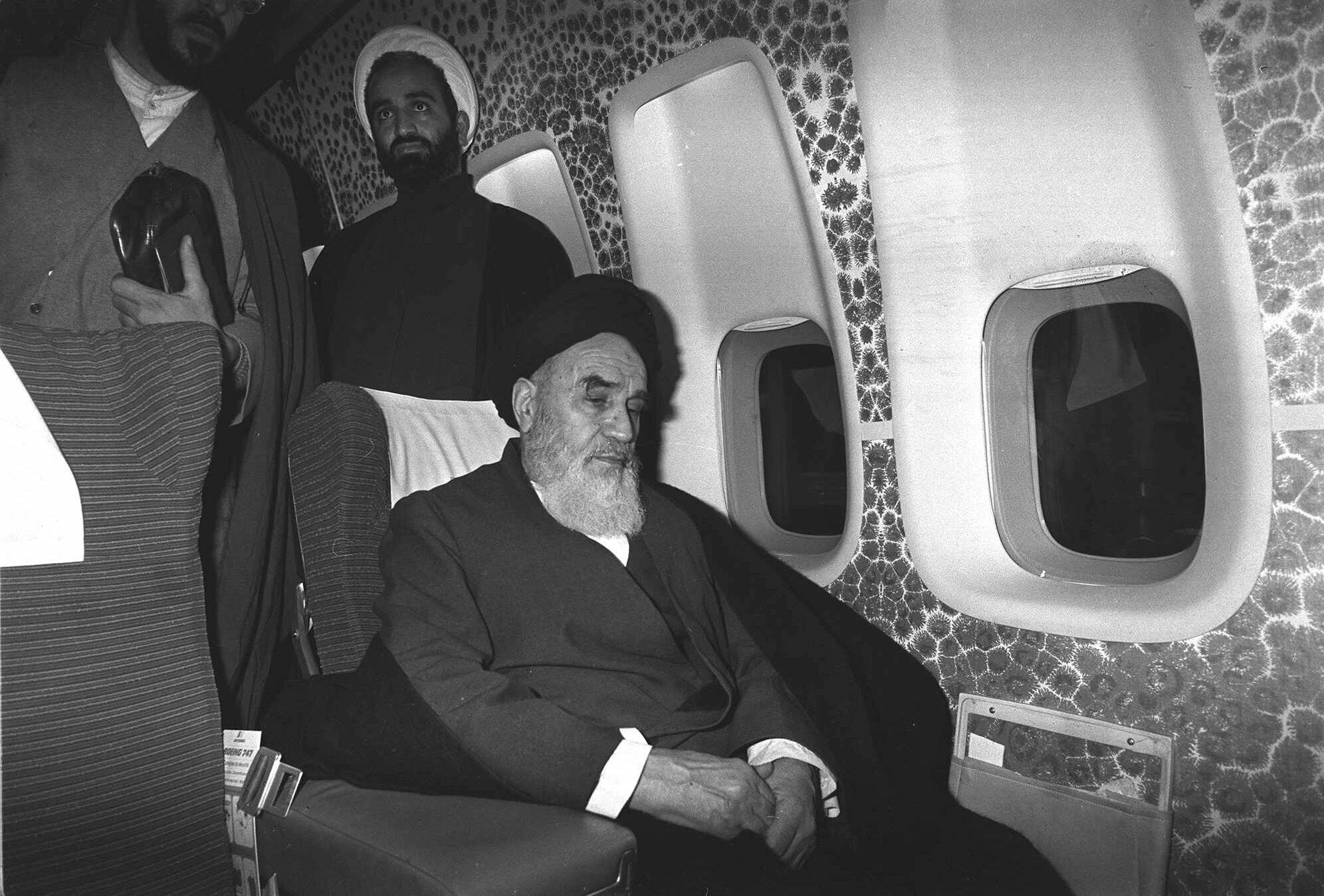
Who was Ayatollah Ruhollah Khomeini?
Khomeini was the architect of the 1979 Iranian Revolution and the founder of the modern Islamic Republic of Iran. A senior Shia cleric, he served as the country’s first Supreme Leader (Rahbar) from 1979 until his death in 1989.
In the early 1960s, he became a prominent opponent of Shah Mohammad Reza Pahlavi, criticizing the monarch’s pro-Western policies and the “White Revolution". After being arrested for dissent, he spent 15 years in exile in Turkey, Iraq, and France. During this time, he smuggled recorded sermons into Iran to fuel revolutionary sentiment.
He returned to Iran in February 1979 following the Shah’s flight from the country. Millions welcomed him, and within days, the monarchy collapsed.
Khomeini introduced the doctrine of velāyat-e faqīh (“guardianship of the jurist"), which argues that Islamic jurists have the right to rule the state.
In 1979, Iranian militants seized the U.S. Embassy in Tehran, holding 52 Americans hostage for 444 days with Khomeini’s eventual endorsement. Most of his tenure was defined by the brutal eight-year Iran-Iraq conflict (1980–1988), which he eventually ended by accepting a UN-brokered ceasefire, famously likening the decision to “drinking a poisoned chalice".
Khomeini died on June 3, 1989. His funeral was one of the largest in history, attended by an estimated 10 million people. He was succeeded as Supreme Leader by Ali Khamenei.
With Agency Inputs
First Published:
March 03, 2026, 13:52 IST
News explainers Khomenei’s Grandson Hassan As Iran’s Next Supreme Leader After Ayatollah Ali Khamenei? Explained
Disclaimer: Comments reflect users’ views, not News18’s. Please keep discussions respectful and constructive. Abusive, defamatory, or illegal comments will be removed. News18 may disable any comment at its discretion. By posting, you agree to our Terms of Use and Privacy Policy.
Read More




 English (US) ·