

 16 hours ago
4
16 hours ago
4
ARTICLE AD BOX
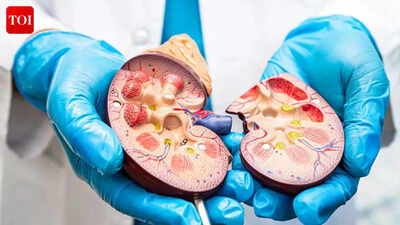
It may seem like illness follows the usual chronology: first, it shows up with signs, then you get diagnosed based on those symptoms, and get treated for the particular disease.The human body is remarkably good at sending warning signals when something goes wrong.
Think about it: a fever can indicate an infection, chest pain can point to a heart problem, and even a persistent cough often alerts us to respiratory illness.But what if a major organ could gradually lose its function without making much noise at all?That is the unsettling reality of kidney disease.There’s a reason why it’s often called a ‘silent killer’. Chronic kidney disease (CKD) can progress for years without causing obvious symptoms.
By the time many patients realize something is wrong, significant and sometimes irreversible damage may already have occurred. Experts say this silent progression is one of the biggest reasons kidney disease remains underdiagnosed across the world.So, can your kidneys really fail without warning?Yes. Absolutely.
Kidney disease that crawls in silently
The National Kidney Foundation and Mayo Clinic both agree: early-stage kidney problems don’t make you feel sick.
Most people are completely unaware until blood or urine tests say otherwise, or until symptoms finally appear, sometimes years later.Kidneys work hard, day and night. They filter waste, manage fluid levels, balance electrolytes, help keep your blood pressure steady, and even support red blood cell production. But here’s the twist: even if damage is happening quietly, the healthy parts pick up the slack. This “reserve power” keeps things running, making you think you’re fine, even as your kidneys take a beating.This hidden decline may look like a blessing, because it seems like you get more time to act. But it’s a curse too, because problems often go unnoticed.When symptoms finally surface, they’re often vague: tiredness, trouble concentrating, puffiness in your feet or ankles, changes in urination, itching. There’s nothing specific about those signs. They’re easy to brush off — maybe it’s stress, age, dehydration, or poor sleep, you think.
Most people don’t jump immediately to “my kidneys are failing.”But missing those early warnings comes with big risks. As kidney function drops, toxins and fluids build up. That sets the stage for high blood pressure, anemia, weak bones, heart issues, and even stroke. In the worst cases, kidneys can’t cope anymore, and dialysis or a transplant is the only option.That’s why kidney specialists push for screenings — instead of waiting for symptoms.
A blood test called estimated glomerular filtration rate (eGFR) and a urine test for protein (uACR) together can spot issues early, before things get bad.Who really needs these tests? People with diabetes, high blood pressure, heart disease, obesity, autoimmune conditions, a family history of kidney disease, or those over 60. If that’s you, get checked every now and then, even if you’re feeling great.In fact, as reported by NDTV, Dr. Dilip Bhalla, a nephrology expert and principal director, Nephrology at Max Super Speciality Hospital, Patparganj, says it best: “Kidneys can lose a significant amount of their function without causing any noticeable symptoms.
Patients might feel completely well until kidney function has dropped way down. That’s why we find so many problems during routine checkups.”
Why is it so dangerous if kidney troubles are silent?
Because your kidneys do so much — from clearing toxins, controlling fluid and pressure to helping manage blood and bone health — a slow decline eventually throws your whole system off balance. If you catch the trouble early, you have a shot at slowing it down or even stopping it.
How can you keep tabs on your kidneys?
- Screen often if you’re at risk: simple blood and urine tests go a long way.
- Watch for swelling, fatigue, changes in urination, or blood in the urine. Uncontrolled blood pressure or being in a high-risk group is also a red flag; seek a professional healthcare provider’s advice.
And since prevention is better than a cure:
- Drink enough water.
- Eat more fruits, veggies, whole grains, and lean proteins. Cut back on salt, sugar, and greasy food.
- If you have high blood pressure or diabetes, keep them in check.
- Stay active.
- Avoid popping painkillers (like NSAIDs) too often.
- Stop smoking; keep alcohol limited.
Dr. Bhalla sums it up: “Awareness, regular screening, and early action are your best defense.”
Why is kidney disease such a public health worry?
Because it’s everywhere. Scientific studies say hundreds of millions are living with chronic kidney disease, and most of them don’t even know. Early detection is key, making all the difference between a manageable condition and a crisis.Because a kidney disease diagnosis isn’t a death sentence — it doesn’t have to be. Caught early, damage can be slowed or stopped.
Doctors can help control blood pressure, manage blood sugar, offer dietary advice, and use medication to protect your kidneys. The earlier you find trouble, the more options you have.So, waiting for symptoms isn’t the way to go. Just because you feel okay doesn’t mean your kidneys are, too. Use simple lab tests as your warning system. Sometimes, a little knowledge early on saves a life. For kidneys, timing means everything.









 English (US) ·