

 1 hour ago
2
1 hour ago
2
ARTICLE AD BOX
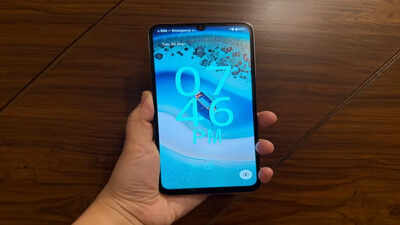
India's budget smartphone segment is one of the most fiercely contested battlegrounds in the world of tech, and Lava has always been a scrappy, dependable fighter in this space. The Bold N1, launched recently, is the company’s attempt to nail the essentials for a first-time buyer or someone upgrading from a feature phone.
It does not try to be everything to everyone. Instead, it quietly prioritises the things that actually matter at this price. We used this latest offering from sometime and here’s our complete review of the same.
Design
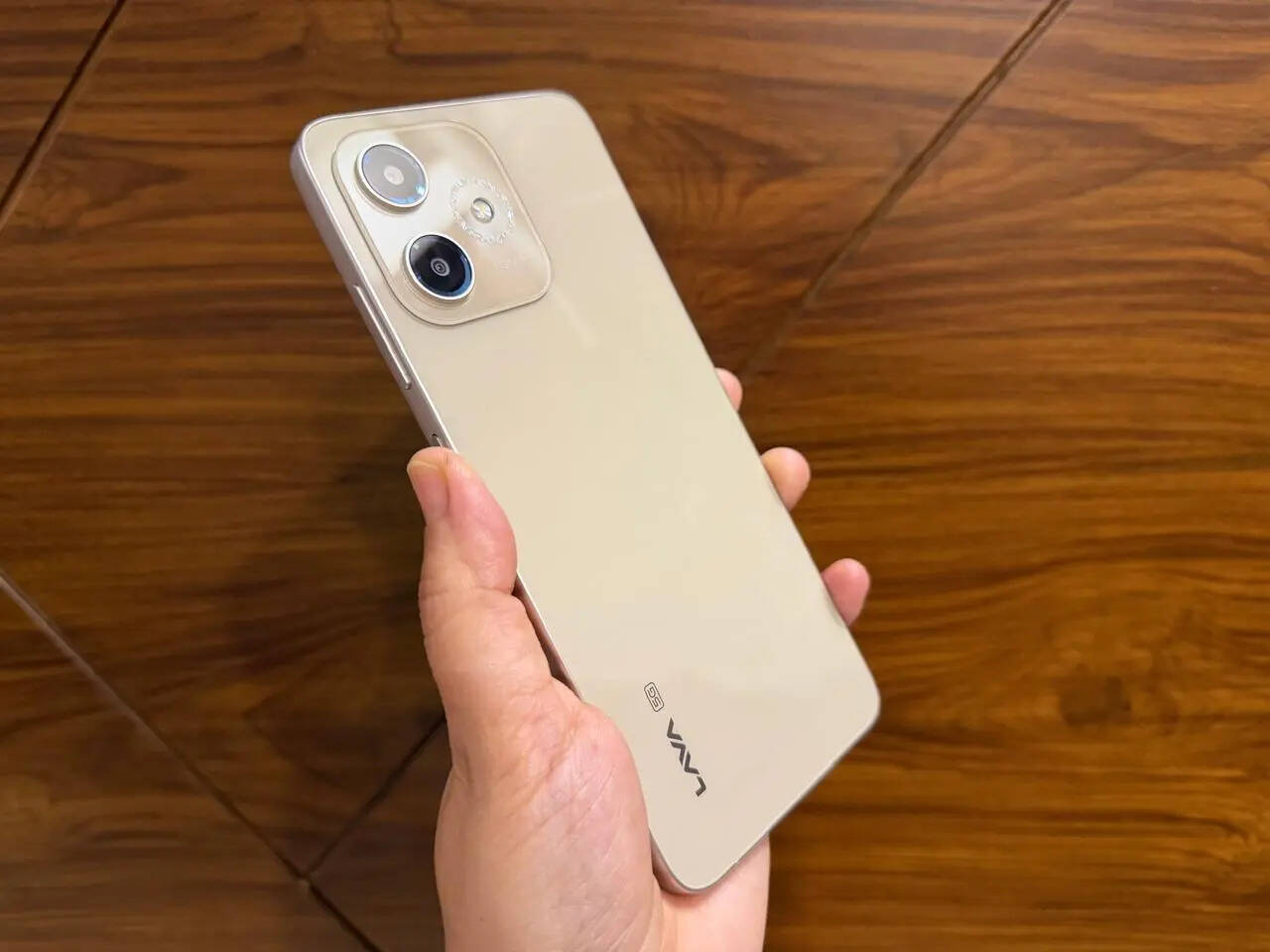
The Lava Bold N1 features a polycarbonate glossy rear panel, which is standard for the price but manages to look tidier than many of its rivals. It comes in Sparkling Ivory and Radiant Black colours, and both colourways are clean and inoffensive without being particularly exciting.
The Sparkling Ivory variant, in particular, has a subtle sheen that elevates it above the generic matte plastics commonly found in this segment.
Coming in at 205 grams, the Lava Bold N1 was comfortable to hold for extended periods when using the phone to binge-watch YouTube videos or scroll through social media with one hand. The weight is distributed evenly, and the rounded edges make it easy enough to grip despite the large footprint.
For durability, the handset is IP54 certified for protection against drops of water and dust, which is a welcome inclusion at this price point and gives it a practical edge over similarly priced rivals that skip the rating entirely.Unlike many smartphones in its class, which sport a punch hole including the Lava Bold N1 Pro, the handset features a relatively dated U-shaped notch to house the front camera. It is a design choice that feels a generation behind in 2025, and those coming from more modern-looking phones may find it aesthetically underwhelming.
Overall though, the Bold N1 looks decent for what you pay — clean, simple, and built to last with everyday handling.
Display
The Bold N1 carries a 6.75-inch IPS LCD panel with a 720 x 1600 pixel HD+ resolution and a 90Hz refresh rate. The 720p resolution gets the job done for the phone's price, and should suffice as long as you don't expect extremely crisp details when viewing movies or YouTube videos. At 260 pixels per inch, fine text and detailed imagery look noticeably soft compared to Full HD panels, but for social media scrolling, messaging, and casual streaming, it is adequate.The 90Hz refresh rate is a genuine plus at this price, making scrolling feel smoother than on competing 60Hz devices. As for the actual display quality, the colours appeared to be slightly faded by default, but changing the setting to 'Standard' in the Colours and Contrast setting made the colours vibrant and contrasty. It is worth tweaking this setting straight out of the box, as the difference is immediately noticeable.
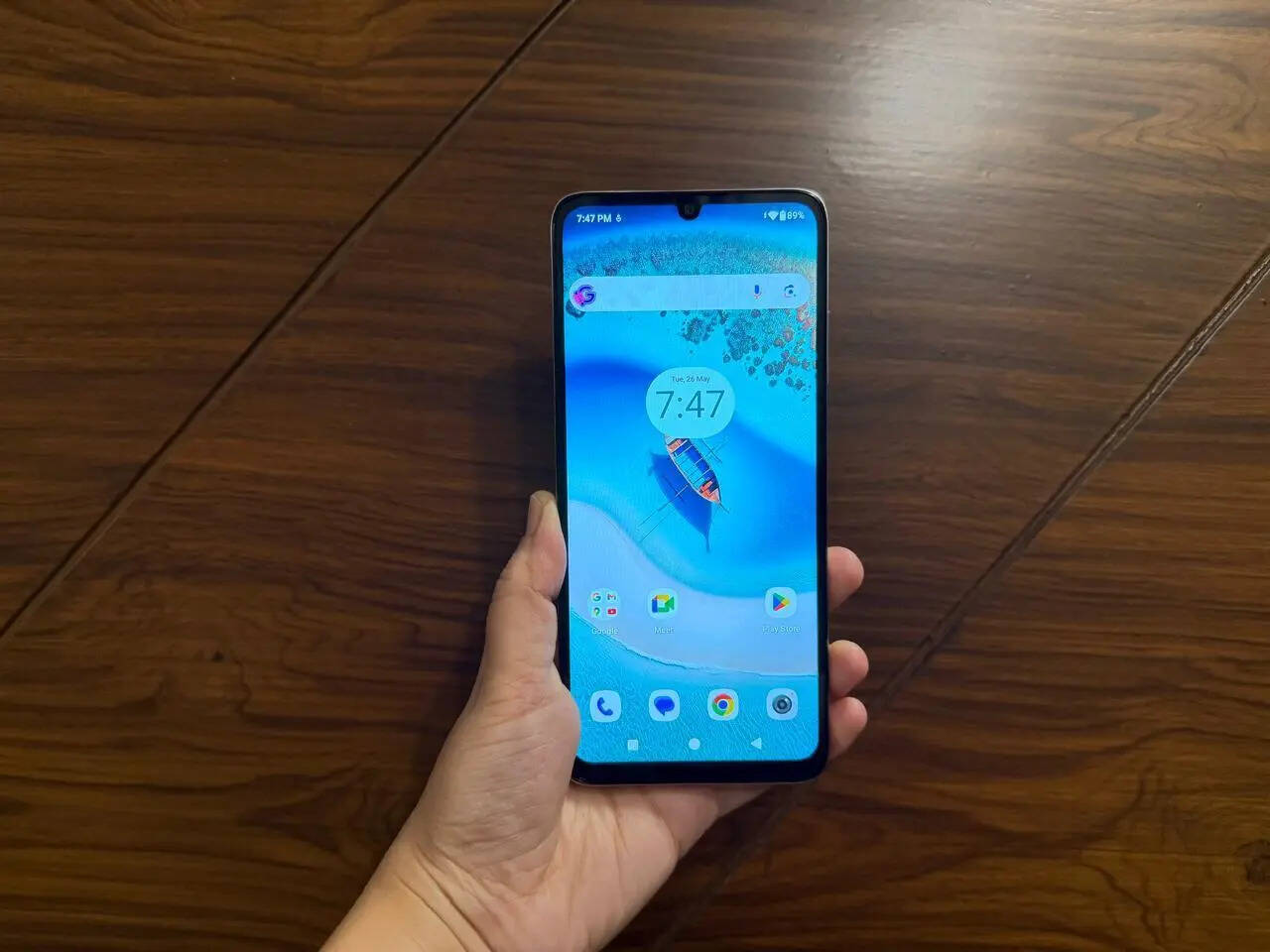
Bad outdoor legibility is a noted shortcoming — under direct sunlight, visibility drops considerably, making it tricky to read messages or navigate maps on a bright day. There is no anti-reflection coating, and peak brightness is modest. Indoors, it performs reasonably well, but it is clearly not a panel designed for outdoor power users. The 240Hz touch sampling rate, however, is a surprise inclusion that makes touch inputs feel responsive beyond what the display refresh rate alone would suggest.
Performance
Under the hood, the Bold N1 runs on the Unisoc 9863A chipset — an octa-core processor built on a 28nm process — paired with 4GB of LPDDR4X RAM and 64GB of eMMC 5.1 storage. This is a modest but functional configuration for the price. Daily tasks such as calls, messaging, WhatsApp, and casual browsing all run without issue, and the software experience on this device is optimal. Since it isn't the full Android version, the software feels light and airy, which helps the hardware punch above its weight class.Where limitations show up is in more demanding scenarios. Heavy multitasking, loading large apps simultaneously, or gaming beyond casual titles can cause the device to stutter or take a moment to recover. The 28nm fabrication node is old by current standards, and the thermal and efficiency consequences are real during sustained use. eMMC 5.1 storage is also noticeably slower than the UFS 2.x storage found in slightly more expensive devices, which translates to longer app load times.That said, for its intended user — someone who needs a reliable phone for communication, entertainment, and light social media use — the Bold N1 holds up. It nails the essentials — screen size, battery, clean UI, and daily performance — and cuts corners only where most budget users won't feel the pinch.
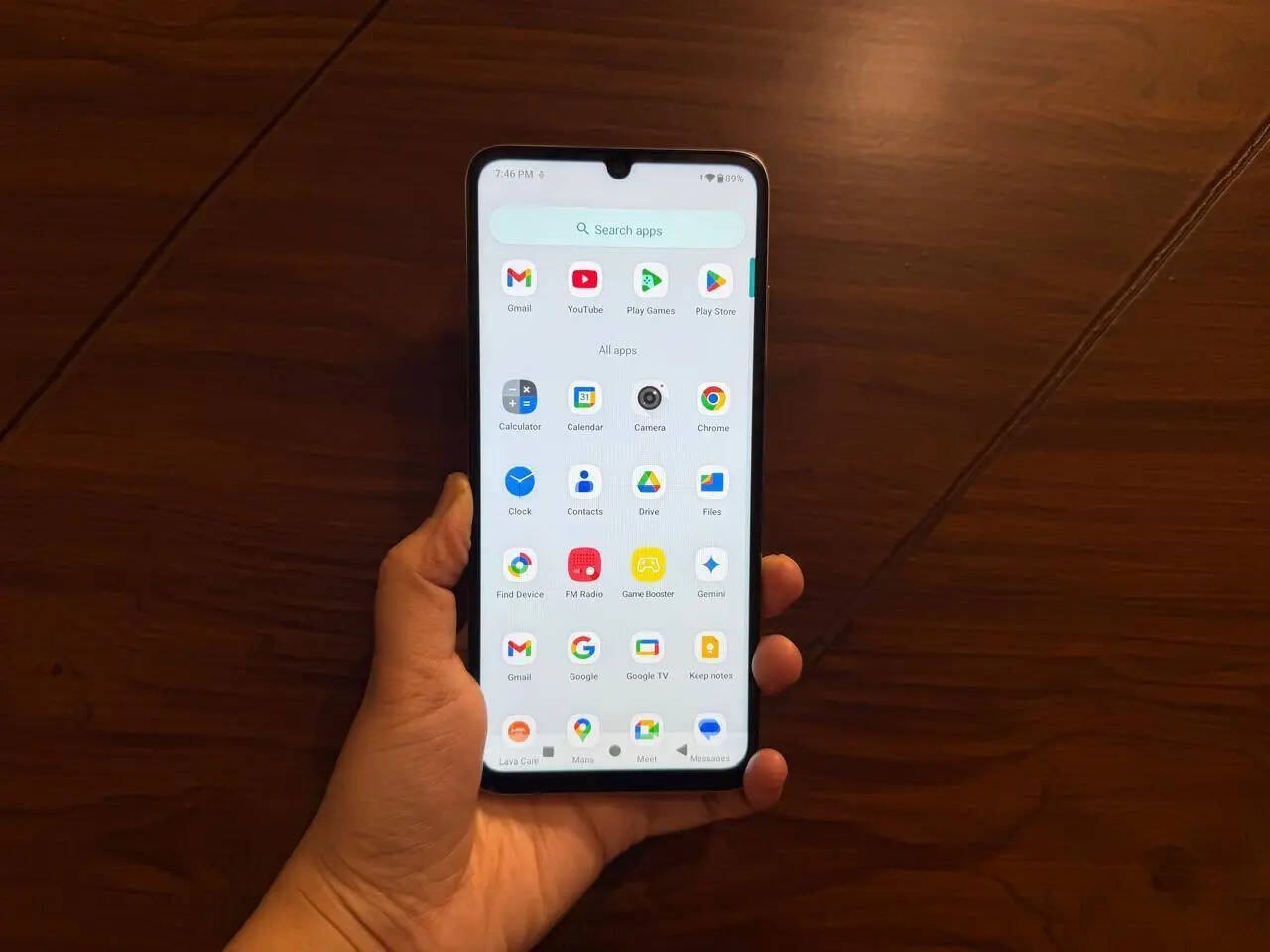
The Bold N1 runs Android 14 Go — the lightweight version of Android optimised for devices with limited RAM and storage.
The upside is immediately apparent: the Lava Bold N1 does a better job of providing a clean stock Android experience with no ads whatsoever. There is no bloatware, no third-party apps bundled in to monetise the user, and no notification spam from pre-installed services — a genuine rarity in this price bracket.There are plenty of customisation options for the home screen and lock screen. The gestures are intuitive and make the browsing experience seamless.
There is also an option to wake and turn off the screen by double-tapping it, which is a thoughtful quality-of-life feature. The handset stands out with useful software features like App Lock and sidebar. The downside is the Android Go limitation itself. Go editions of Android restrict access to the full-fat versions of Google apps, cap functionality for RAM-intensive tasks, and generally offer a narrowed experience compared to standard Android.
Where the phone loses all its steam is by offering a watered-down, ancient Android 14 Go experience when competitors in the same price range are shipping standard Android 14 or even Android 15.
It is the single biggest software drawback of the Bold N1, and buyers upgrading from feature phones may not notice — but anyone coming from a standard Android device will.
Camera
The Lava Bold N1 has a dual-camera setup — a 13MP primary sensor at the back and a 5MP front camera — and camera performance is very much in keeping with the phone's entry-level positioning.The Lava Bold N1 snaps photos with vibrant, eye-catching visuals, especially when it comes to reds and greens. While some may prefer such poppy tones, the phone at times goes overboard with the colours. Fortunately, the Bold N1 doesn't overexpose the skies, and the HDR performance is fairly decent. The details in the images are average at best, as you can only expect so much from the sensor size it packs. Taking shots at 2x zoom levels further takes a hit on detail levels.
In low light or at night, the camera viewfinder often makes the image too bright. You'll need to manually reduce the brightness to avoid washed-out colours. Also, since there's no optical image stabilisation (OIS), you'll have to hold the camera steady to avoid motion blur — a task that is harder than it sounds in dim environments.The front camera delivers acceptable selfies in good lighting and performs adequately for video calls, which is perhaps its most important real-world use case at this price.
Video recording tops out at 1080p at 30fps. The Bold N1 outshines its more expensive counterpart, the itel A90, with better daylight and portrait capabilities, which speaks well of it relative to direct competition — but in absolute terms, camera quality is a weak point, not a selling one.
Battery
The 5,000mAh battery is one of the Bold N1's strongest cards, and Lava has played it well. To test battery endurance, the PCMark test on the Lava Bold N1 took 9 hours and 21 minutes to drop to 20 percent levels.
In gaming, the battery held up pretty well, with the phone losing just 7 to 8 percent on average across three games played for 30 minutes each, which included BGMI, Call of Duty: Mobile, and Real Racing 3. During the review period, the 5,000mAh battery pack was left with around 15 to 20 percent charge at the end of each day, with daily screen time between 4 to 5 hours. For a typical light-to-moderate user, two-day battery life is realistic with some discipline.
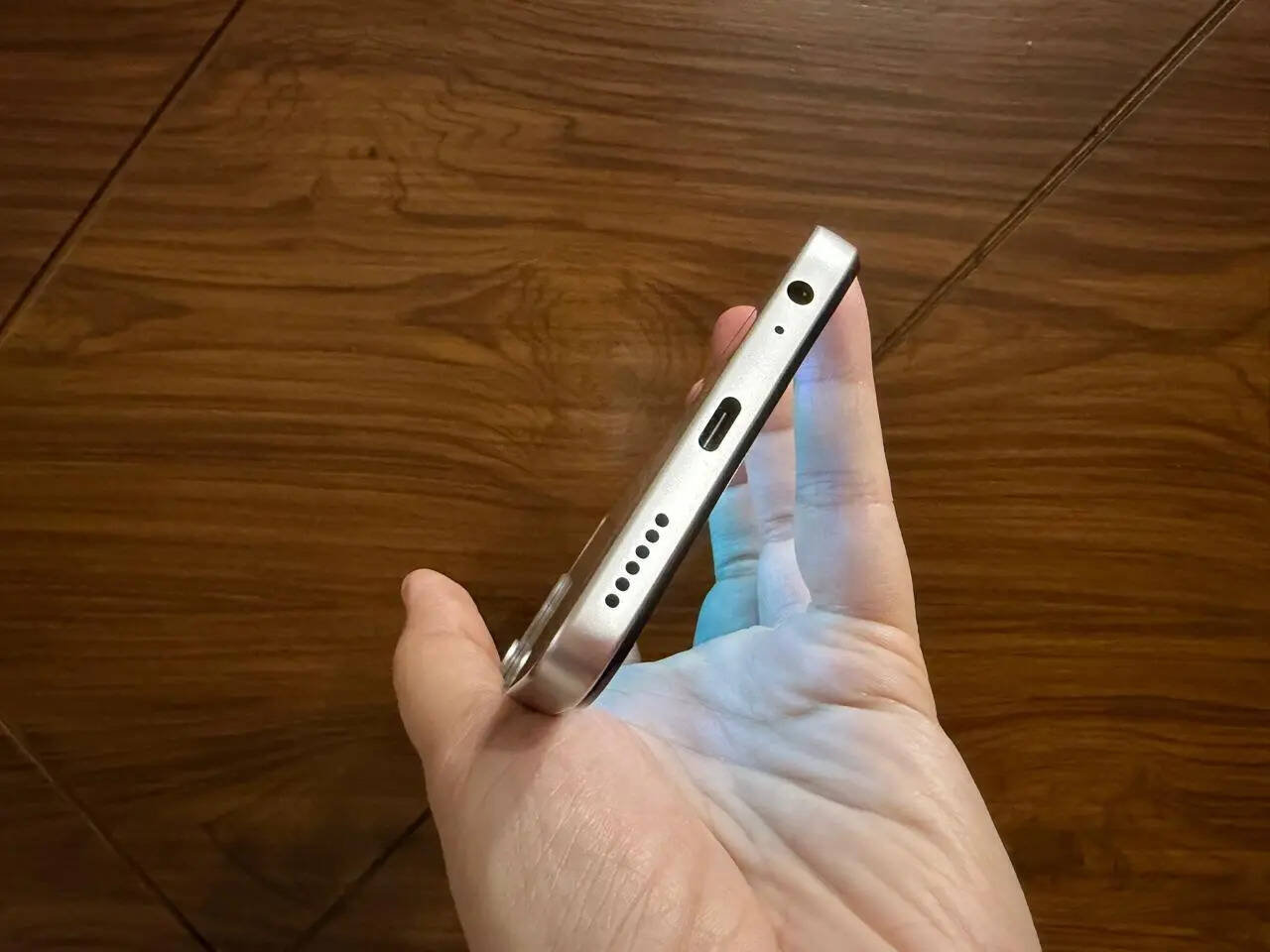
The charging situation is less impressive. The device took more than two hours to juice up its 5,000mAh battery, which is a long duration for 2025 standards, as the in-box charger supports only 10W. Rivals in this segment are increasingly offering 18W or even 33W fast charging, and the slow replenishment speed is a meaningful inconvenience when you do need a quick top-up. A charger is included in the box, which is appreciated.
Verdict
Lava Bold N1 comes with a starting price tag of Rs 7,999 and it’s a clean and dependable entry-level Android smartphone. The large display, IP54 rating, bloatware-free software, and strong battery performance are some of the genuine strengths of the device. Overall, the Bold N1 could be a decent pick for those who need a phone with great battery and clean software.








 English (US) ·