

 2 days ago
7
2 days ago
7
ARTICLE AD BOX
4 min readJaipurUpdated: Mar 12, 2026 06:48 PM IST
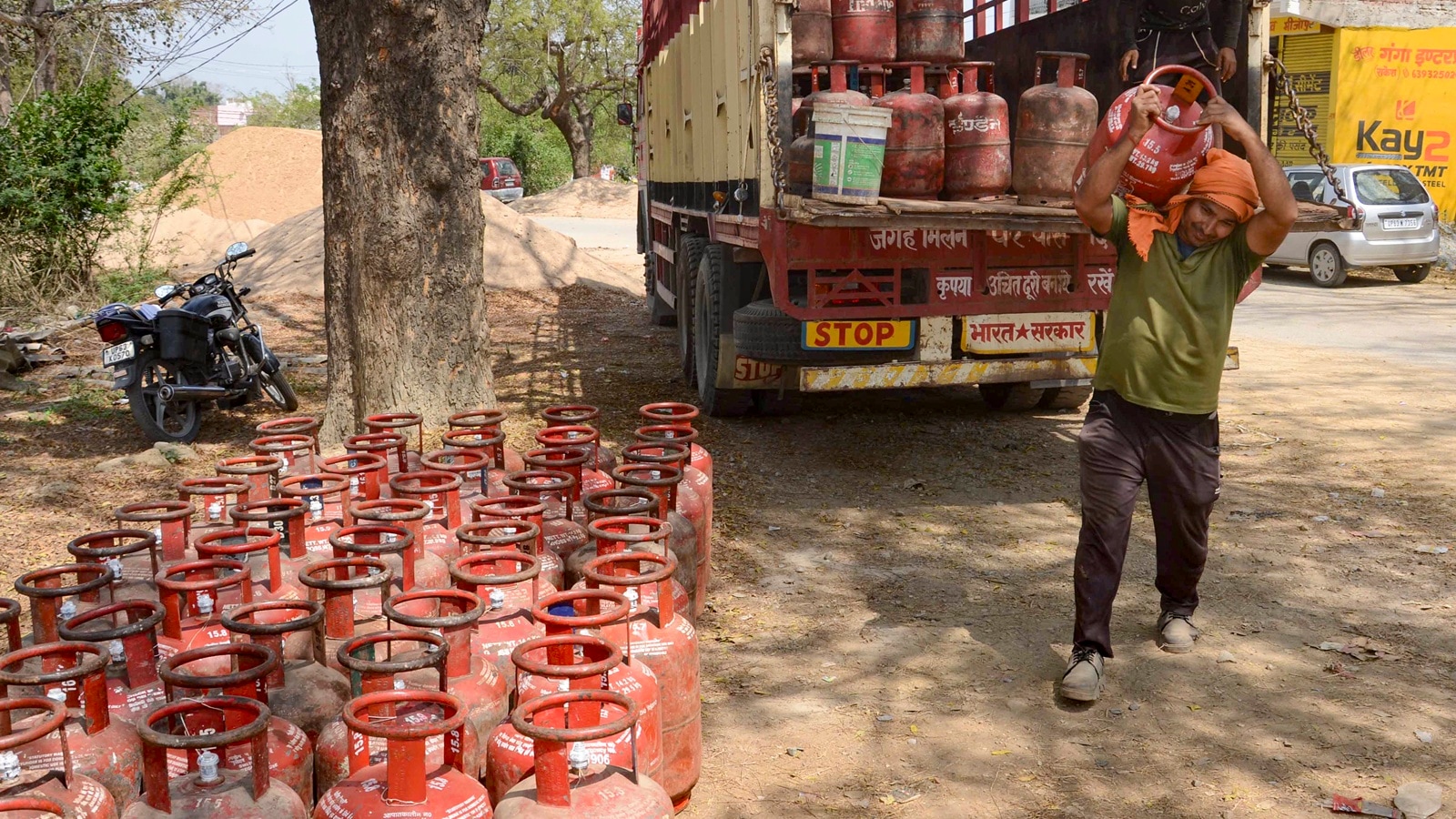 Workers unload liquefied petroleum gas (LPG) cylinders from a truck at an Indane gas agency amid an ongoing supply shortage. (Source: PTI)
Hostel and mess owners in Rajasthan’s Kota, known as the coaching capital with over 1 lakh students attending classes in the city to prepare for competitive exams, have expressed concern over the shortage of liquefied petroleum gas (LPG) amid the ongoing conflict affecting West Asia.
Naveen Mittal, president of the Hotels Association of Kota, told The Indian Express that if the situation continues, it will be difficult to provide food for the students.
“In the hostel fees package, food and lodging are included. Students from all over India come to the city to study, and if the LPG supply is not met, then we will not be able to provide food to the children,” said Mittal.
Around 4,000 hostels and 500 food messes are functional in Kota city. Some messes have started preparing food using firewood.
Jasmer Singh, owner of the Food Mess in Kota, said there are eight branches of the mess, in which 250 LPG cylinders are required monthly. Due to the shortage, they have started using firewood.
“Not everyone has such an open mess to use a wood oven. Hence, many mess owners have shut down their messes, and students are suffering because they have paid monthly. We need LPG cylinders or the economy will collapse,” said Singh.
Manufacturing and exports also hit
Even manufacturing units are beginning to feel the pressure in Rajasthan. They use LPG for welding, cutting and heating work.
Story continues below this ad
Alwar Trade Federation president Harmeet Singh said, “Around 90% of the manufacturing of containers that are used in trucks is done in Rajasthan. They need welding, cutting and heating work, which is done using commercial LPG cylinders.”
Chief Secretary V Srinivas chaired a hybrid meeting at the Secretariat on March 11, at the direction of Chief Minister Bhajan Lal Sharma, to review the supply of domestic cooking gas across Rajasthan. He assured that after the Central government’s March 9 order, restricting commercial cylinder supply, domestic LPG supply remains uninterrupted and adequate stocks are available. Continuous supply is being ensured for households, hospitals, educational institutions, and Annapurna kitchens, he said.
The Chief Secretary directed the formation of state and district-level monitoring committees comprising police, food and civil supplies officials, and oil marketing companies to monitor stocking, movement, and distribution and prevent black marketing.
In the export industry, Rahul Gupta, president of Alwar Auto Component Manufacturing Society, said, “Due to the war in Iran, container availability has reduced, freight has increased, and the finished product is stuck in our warehouses… We are facing a loss of around Rs 2 crore right now, and if this continues, things will become difficult.”
Story continues below this ad
Former secretary of the Udaipur Hotel Association, Jatin Shrimali, said the tourism industry could also face trouble if the situation does not improve.
“Udaipur is a tourist city, and this is peak season… The situation is not clear at present, but if the scarcity of LPG cylinders continues, then there will be big trouble for the tourism industry. Many tour guides and hotel owners have taken advance money from tourists. How are they going to manage?” Shrimali said.
The West Asia conflict triggered by the US and Israel’s attacks on Iran has halted the movement of ships through the crucial Strait of Hormuz. Over 80% of India’s LPG imports pass through this narrow waterway between Iran and Oman, which connects the Persian Gulf with the Gulf of Oman and the Arabian Sea.

Parul Kulshrestha is a Principal Correspondent for The Indian Express, based in Rajasthan. A lawyer turned journalist, she brings a unique cross-disciplinary perspective to her reporting, blending legal precision with deep social inquiry to cover one of India's most culturally and politically vibrant regions. Expertise and Experience Legal-Journalistic Synergy: Parul’s transition from a legal background to mainstream journalism provides her with a distinct advantage in interpreting policy, legislation, and judicial impacts. This expertise allows her to "read between the lines" of government orders and court rulings affecting the public. Diverse Beat: With years of experience across both mainstream newsrooms and independent journalism, she has built high-level authority in several critical areas: Nomadic Tribes & Marginalized Communities: She is recognized for her sensitive and in-depth reporting on the struggles and rights of Rajasthan's nomadic populations, often giving a voice to those outside the traditional political spotlight. Gender & Social Justice: Parul focuses on the intersection of law and gender, covering issues ranging from women’s safety and reproductive rights to the socio-economic empowerment of rural women. Environmental & Political Reporting: She tracks Rajasthan’s complex political landscape—including electoral shifts and bureaucratic changes—alongside critical environmental concerns like water scarcity and land use. Academic & Professional Pedigree: Her background as a lawyer, combined with her rise to the rank of Principal Correspondent at a national broadsheet, establishes her as a senior voice in the media landscape. ... Read More
Stay updated with the latest - Click here to follow us on Instagram
© The Indian Express Pvt Ltd





 English (US) ·