

 1 hour ago
4
1 hour ago
4
ARTICLE AD BOX
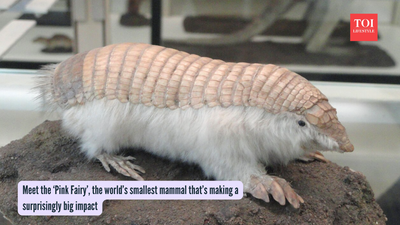
The elusive pink fairy armadillo, once thought to have disappeared, has been sighted again in Argentina's Ñacuñán Biosphere Reserve. This tiny mammal, crucial for its arid ecosystem through insect control and soil aeration, signifies a healthy environment. Its reappearance offers hope for conservation efforts focused on protecting entire habitats.
Nature is home to incredible organisms, each with a unique role in maintaining biodiversity.When any of these organisms begin to disappear, due to endangerment amid land encroachment and changing weather conditions, it creates an imbalance in the surroundings.One such unique organism popularly known as the ‘pink fairy’, which disappeared a few years ago, has made a comeback.This tiny, shovelnose-like mammal known as the “pink fairy armadillo” in Argentina’s Ñacuñán Biosphere Reserve, is sending ripples through the conservation community. This elusive creature is so small and secretive that even one sighting is treated as a scientific event.
Meet the ‘pink fairy’- The tiny mammal that packs a big message
The creature nicknamed the “pink fairy armadillo” formally known as pichiciego menor is, the smallest living armadillo species.
Adults are only about 3 to 4 inches long, roughly the length of a credit card, and they live underground in the arid regions of central Argentina.According to an IUCN Red List profile, they are mostly nocturnal and spend the vast majority of their time beneath the soil, rarely seen except by chance.The IUCN currently lists the species as “Data Deficient”, meaning scientists simply do not have enough solid information to confidently judge how close it may be to extinction.
The same profile notes that the animal is highly sensitive to stress and can be harmed when ranching and farming fragment its habitat or bring in domestic dogs and cats that may kill it.
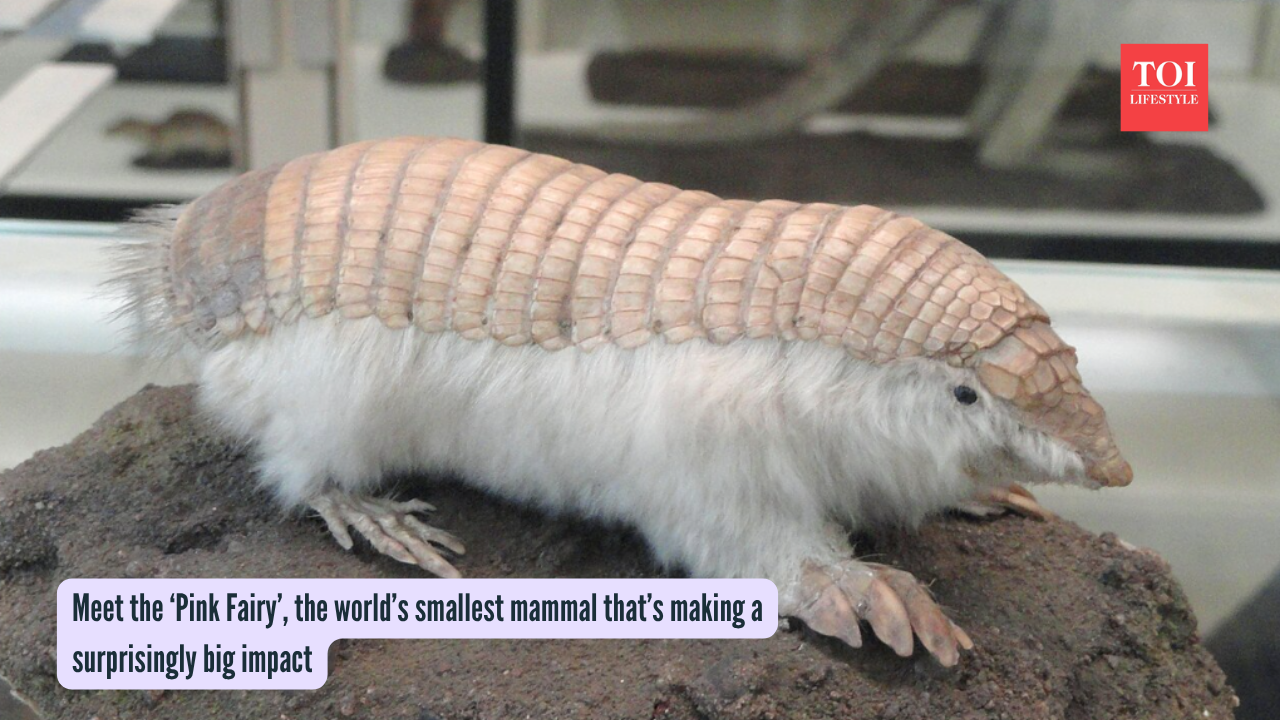
Pink Fairy armadillo (Photo via Wikimedia Commons )
Why is the “pink fairy” important for the desert
Beyond its fairy‑tale nickname, the pink fairy armadillo plays a practical role in its dry habitat. A species assessment by the Argentine Mammal Society describes it as an insect‑eating animal that can help control certain insect populations, and its burrowing helps aerate the soil and recycle nutrients.In a dry region, where rainfall can be rare and sudden, soil structure is critical. When rain falls, the way water sinks in or runs off depends heavily on how porous and well‑connected the soil is—an invisible service that animals like this armadillo help provide simply by digging.
Why is this sighting important?
In the Ñacuñán Biosphere Reserve in Mendoza province, rangers and local residents have now recorded the pink fairy armadillo again. According to a government press release from Mendoza, each confirmed record is “a concrete sign that the ecosystem works,” because the species depends on a complex chain of conditions that can break with even small changes in land use.Biodiversity director Ignacio Haudet said that these sightings highlight the importance of protecting whole habitats, not just the most scenic or obvious parts of the landscape. Protected areas director Iván Funes Pinter added that Ñacuñán does not only conserve scenery; it conserves “complete ecological dynamics” that allow unique, overlooked species like the pink fairy armadillo to survive.
Why have sightings of the armadillo reduced in the region
Because the pink fairy armadillo is so hard to study, scientists still lack basic details such as population size and how far individuals move underground. A 2015 study in the journal Mammalian Biology argued that climate swings in dry regions may partly explain why these armadillos are so rarely detected.









 English (US) ·