

 1 hour ago
4
1 hour ago
4
ARTICLE AD BOX
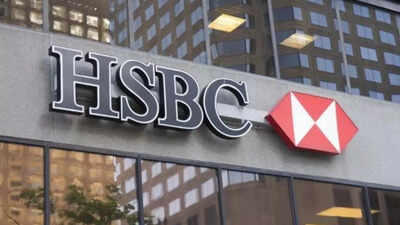
War, Oil, Markets: HSBC’s Bold Bet on the Gulf Amid Iran vs US-Israel Crisis
Even as geopolitical tensions escalate across the Middle East, global banking giant HSBC has publicly reaffirmed its confidence in the long-term economic strength of the Gulf Cooperation Council (GCC) economies, signalling that international financial institutions are not retreating from the region despite the ongoing conflict involving Iran, the United States and Israel.
The statement comes at a time when markets worldwide have been rattled by military strikes, energy supply disruptions and fears of wider regional escalation that could affect global trade routes and oil markets.
HSBC bank's strong vote of confidence in the GCC
In a recent statement, Georges Elhedery, chief executive of HSBC, emphasised the bank’s enduring belief in the Gulf region’s economic fundamentals. He said that the bank remains “steadfast in our confidence in the GCC and in the long-term strength, resilience and promise of the region.”
Elhedery stressed that the bank’s conviction in the region’s future remains unchanged despite the geopolitical turmoil unfolding around it. According to analysts and banking officials, the GCC’s diversified economies, fiscal reserves, and ongoing investment in financial hubs such as Dubai, Abu Dhabi and Riyadh make them relatively resilient compared with many other regions facing geopolitical shocks.This reassurance is significant because major global banks play a key role in financing trade, infrastructure and investment projects across the Gulf.
Iran vs US-Israel war shockwaves ripple through global markets
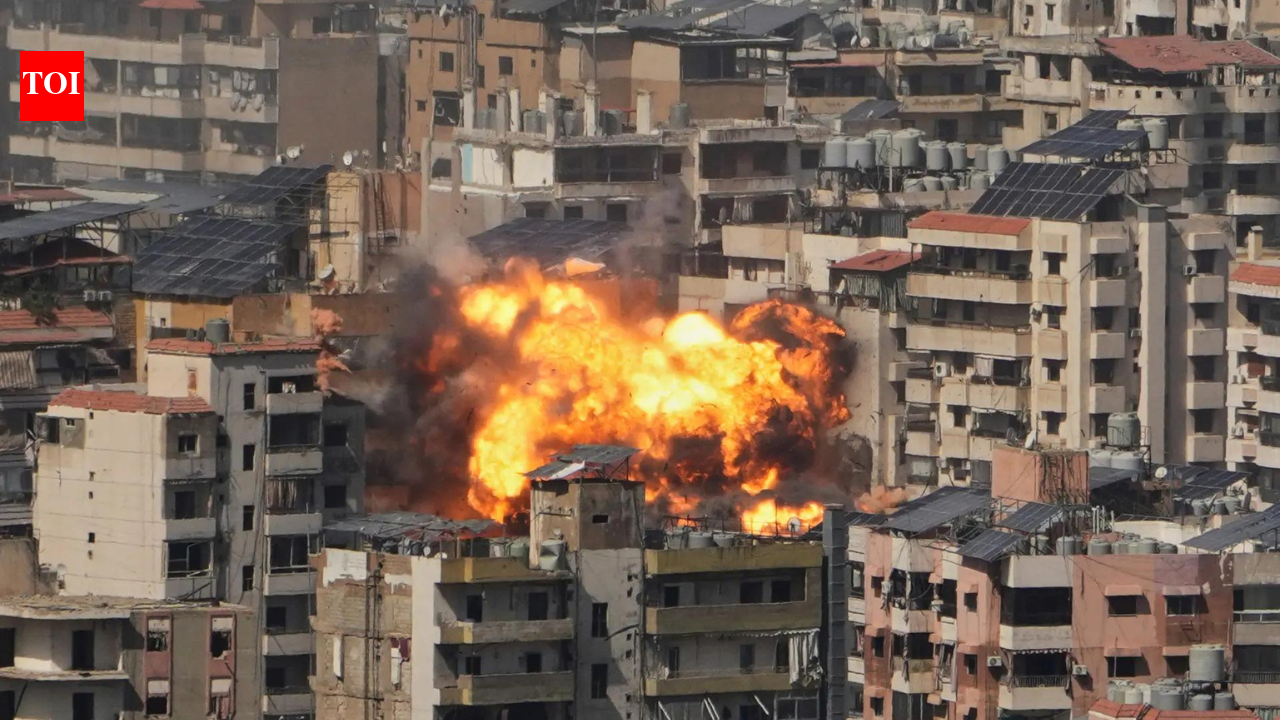
The reassurance from HSBC comes amid the broader economic fallout from the ongoing conflict between Iran and a coalition led by the United States and Israel. The crisis escalated sharply in late February 2026 following coordinated airstrikes on Iranian targets and Tehran’s retaliatory attacks across the region. Since then, the conflict has triggered widespread economic volatility. Financial markets have been shaken, oil prices have surged and shipping routes through the Strait of Hormuz, one of the world’s most critical energy corridors, have been severely disrupted.

As Iran vs US-Israel Conflict Rattles Markets, HSBC Sends Powerful Message About GCC
Roughly 20% of global oil supply passes through this narrow waterway, meaning any disruption there sends shockwaves through international energy markets. As tanker traffic slowed dramatically and shipping firms suspended operations due to security concerns, energy prices jumped and stock markets across the Middle East and beyond experienced heightened volatility.
Why the Gulf still attracts global capital
Despite these risks, financial institutions continue to view the GCC as a long-term growth story. Several factors underpin this confidence:
- Strong fiscal buffers - Many Gulf states maintain large sovereign wealth funds and foreign reserves built from decades of oil revenues. These reserves help cushion economic shocks during geopolitical crises.
- Diversification strategies - Countries such as the United Arab Emirates and Saudi Arabia have aggressively pursued diversification strategies, investing heavily in tourism, finance, logistics and technology.
- Strategic location in global trade - The Gulf remains a critical hub connecting Asia, Europe and Africa, particularly for energy shipments and financial flows.
These structural advantages have allowed the region to maintain investor interest even during periods of instability.
Banking sector adjusts to rising risks amid Iran vs US-Israel war
Nevertheless, the ongoing conflict has forced global banks to reassess certain operations in the region. Reports suggest some institutions have temporarily closed offices or shifted staff to remote work as a precaution. For instance, branches in some locations have scaled back activity while risk management teams monitor developments closely.Markets have also reacted and shares of some international banks with exposure to the region have seen declines since the conflict escalated.
Despite these adjustments, analysts say the exposure of global banks to the Middle East remains relatively small compared with their worldwide portfolios.
Potential upsides for financial institutions amid Iran vs US-Israel war
Interestingly, periods of geopolitical uncertainty can also create opportunities for banks. Volatility in currency markets, increased demand for trade financing and heightened activity in commodity markets often generate new business for financial institutions.
Why HSBC Isn’t Worried About the Iran vs US-Israel War: The Answer Lies in the Gulf
Banks may see higher demand for:
- Foreign exchange services as companies hedge currency risks
- Trade finance to manage disrupted supply chains
- Cash management solutions for multinational companies operating across the region.
As global companies seek to navigate uncertain markets, banks with strong regional networks may benefit from increased financial activity.
The Gulf’s financial hubs continue to expand amid Iran vs US-Israel war
Despite the geopolitical tensions, the Gulf’s financial centres have continued to grow rapidly. The Dubai International Financial Centre has reported record levels of new companies registering in recent years, reflecting the emirate’s ambition to become one of the world’s top financial hubs.Meanwhile, Abu Dhabi Global Market has also seen substantial increases in assets under management. These financial zones are attracting global firms seeking stable regulatory environments, favourable tax regimes, and strategic access to emerging markets.
Energy markets remain the biggest wildcard amid Iran vs US-Israel war
While banks remain optimistic about the region’s long-term outlook, the biggest economic risk remains energy market disruption. The Iran vs US-Israel conflict has already pushed oil prices sharply higher, with analysts warning that prolonged instability could drive prices above $100 per barrel and increase global inflation.Energy market volatility affects everything from airline costs to manufacturing prices worldwide, meaning developments in the Gulf have immediate global consequences. For Gulf producers themselves, however, higher oil prices can provide a temporary economic boost by increasing government revenues.
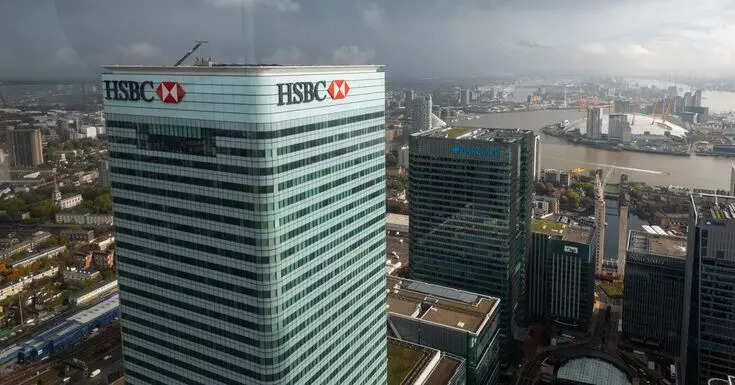
What HSBC Just Said About the Gulf Amid Iran War Might Surprise Investors
The Gulf has experienced geopolitical shocks before, from the Gulf War to tensions with Iran and regional governments have become adept at maintaining economic stability during crises.
Many economists argue that the region’s combination of strong fiscal buffers, political stability in key states, and ambitious economic reforms has created a more resilient economic environment than in previous decades.For investors and global banks alike, this resilience remains a major reason why the Gulf continues to attract capital even during uncertain times. The ongoing war involving Iran, the United States and Israel has undoubtedly introduced new uncertainties for the Middle East and global markets.
Energy prices have surged, shipping routes have been disrupted, and financial markets remain volatile.Yet HSBC’s public endorsement of the Gulf’s economic resilience highlights a broader reality that despite the geopolitical turbulence, the region remains one of the most strategically important and financially attractive parts of the global economy. For now, global banks appear to be taking a cautious but optimistic approach, watching the conflict closely while continuing to bet on the Gulf’s long-term economic future.






 English (US) ·