

 1 hour ago
3
1 hour ago
3
ARTICLE AD BOX
Last Updated:May 01, 2026, 13:00 IST
Mumbai-Pune Expressway Update: Asia's widest road tunnel opens today, cutting travel time by 20-25 minutes and bypassing the ghat section that frustrated commuters for decades.
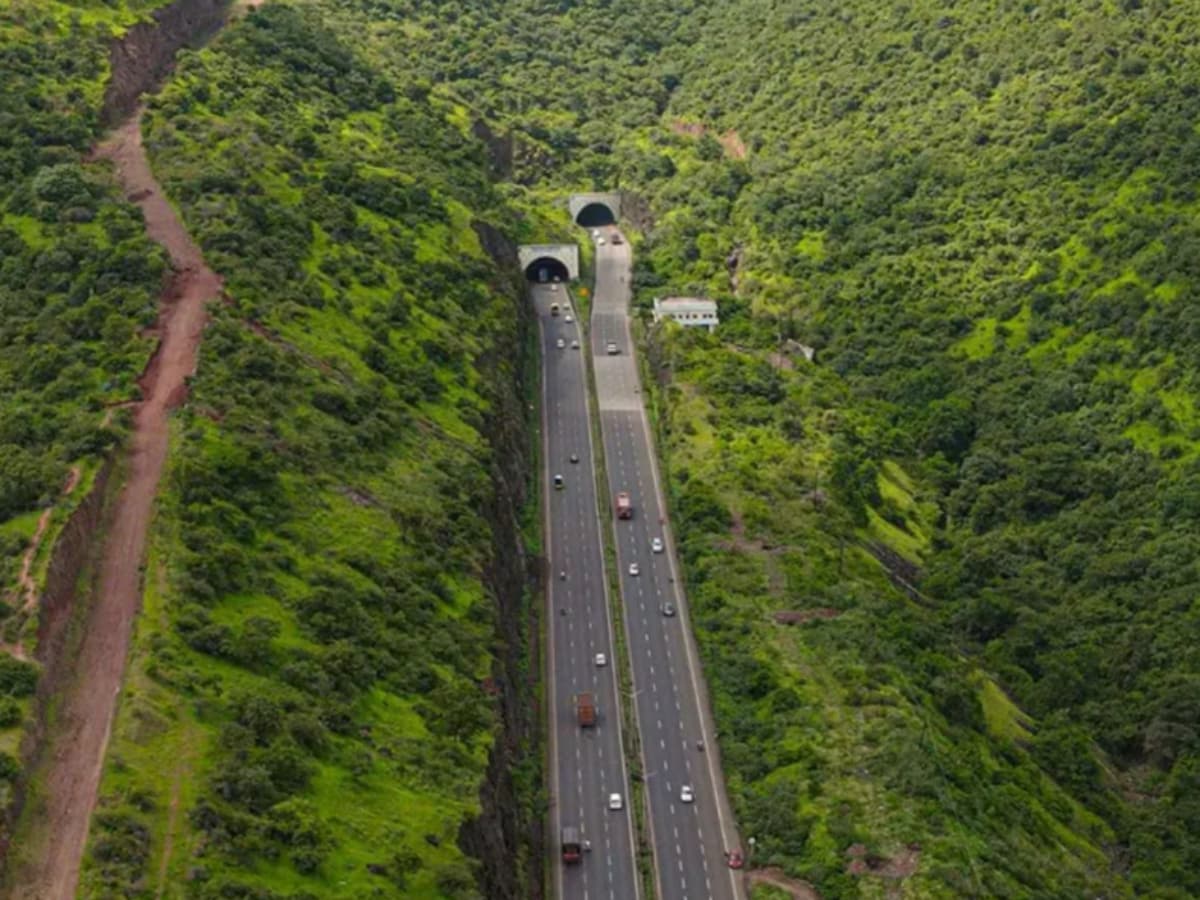
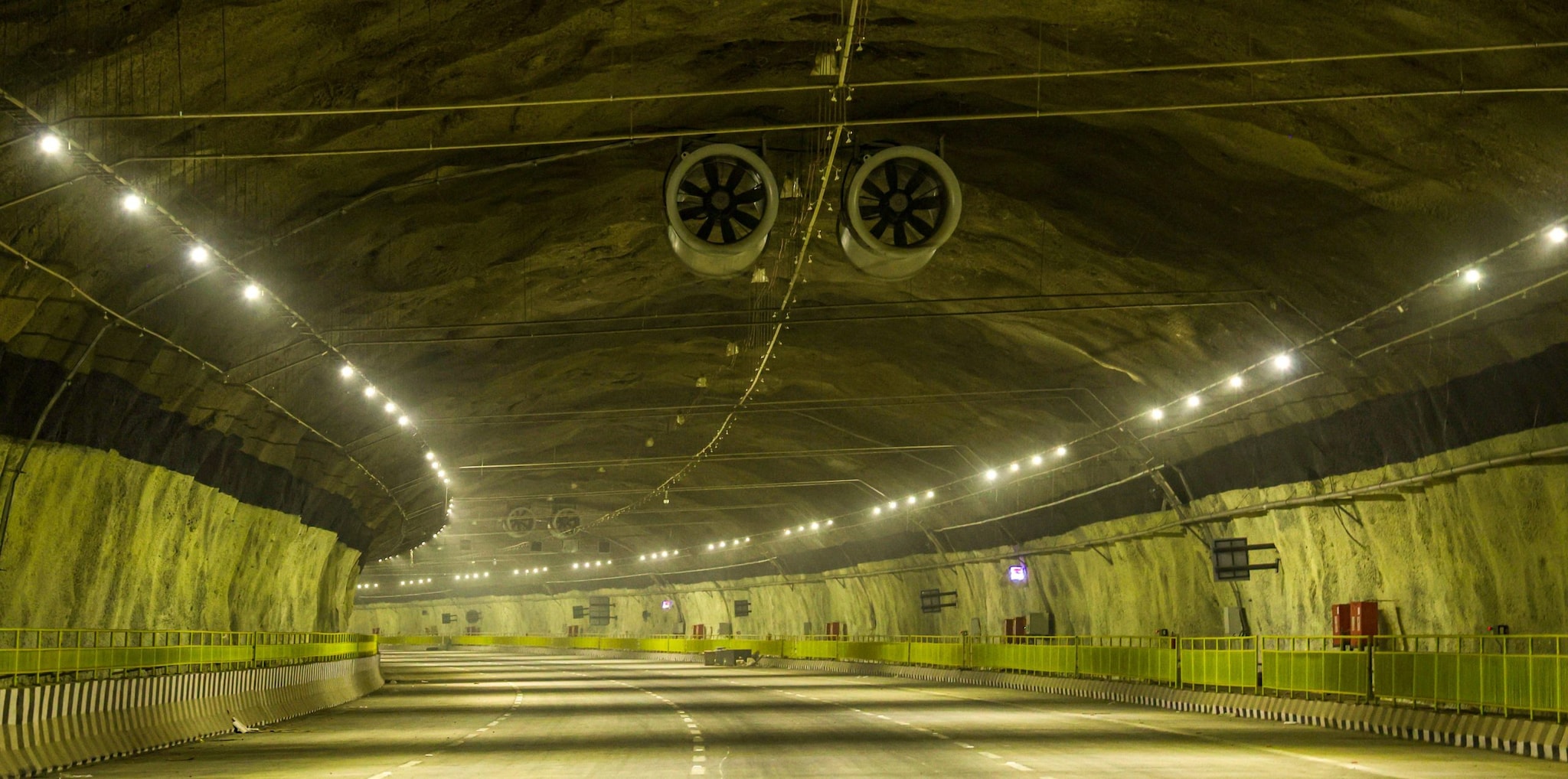
Asia's widest road tunnel at 23.75 metres and eight lanes wide — the Missing Link's twin tunnels are not just an engineering achievement, they are a statement that Maharashtra can build what few countries dare to attempt.
Asia's widest road tunnel at 23.75 metres and eight lanes wide — the Missing Link's twin tunnels are not just an engineering achievement, they are a statement that Maharashtra can build what few countries dare to attempt.
One hundred and seventy feet below the Lonavala Lake bed, construction crews worked in near-impossible conditions to ensure the tunnel above would not disturb the water table above it. The precision required was extraordinary even by global standards.
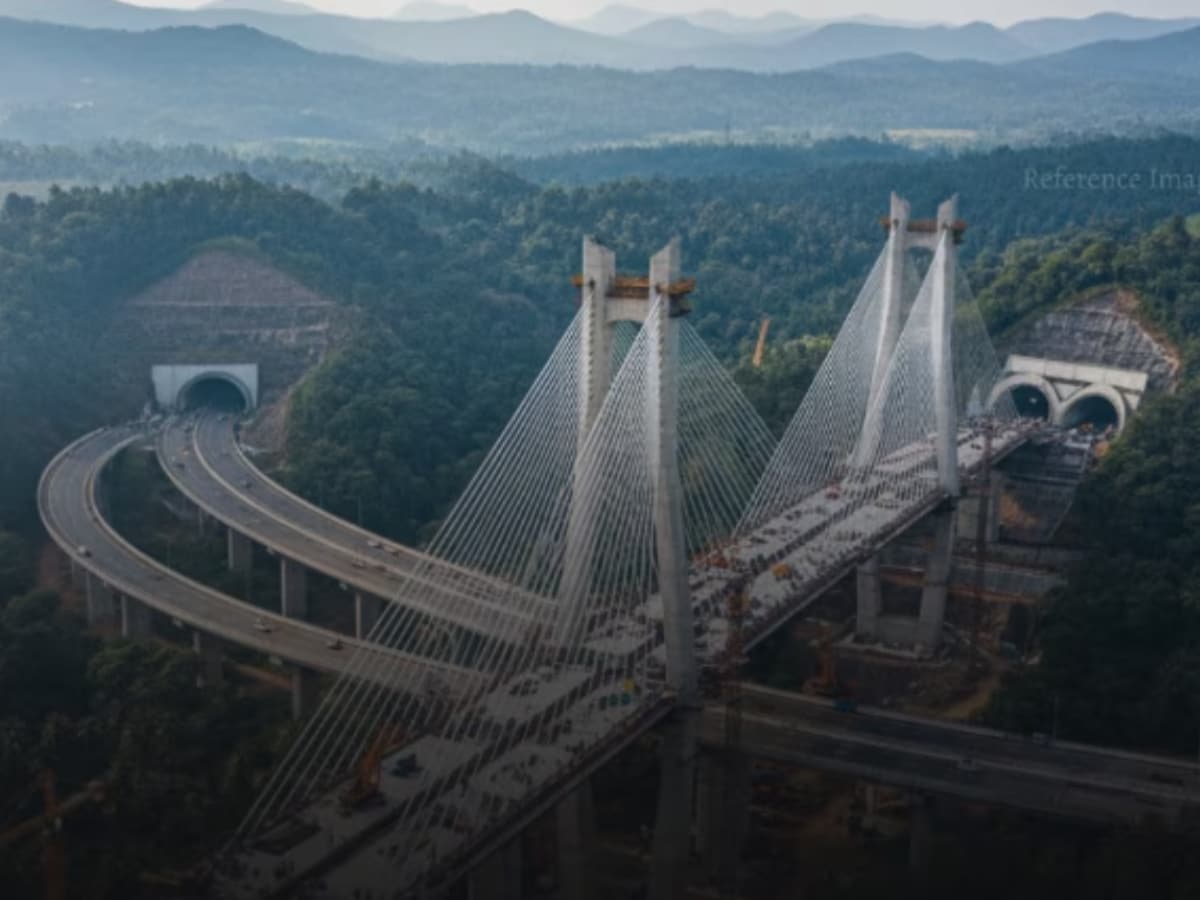
The Tiger Valley cable-stayed bridge soars 170 to 180 metres above the valley floor — roughly the height of a 55-storey building — and was designed to withstand the ferocious wind loads the Sahyadris throw at the Western Ghats every monsoon season.
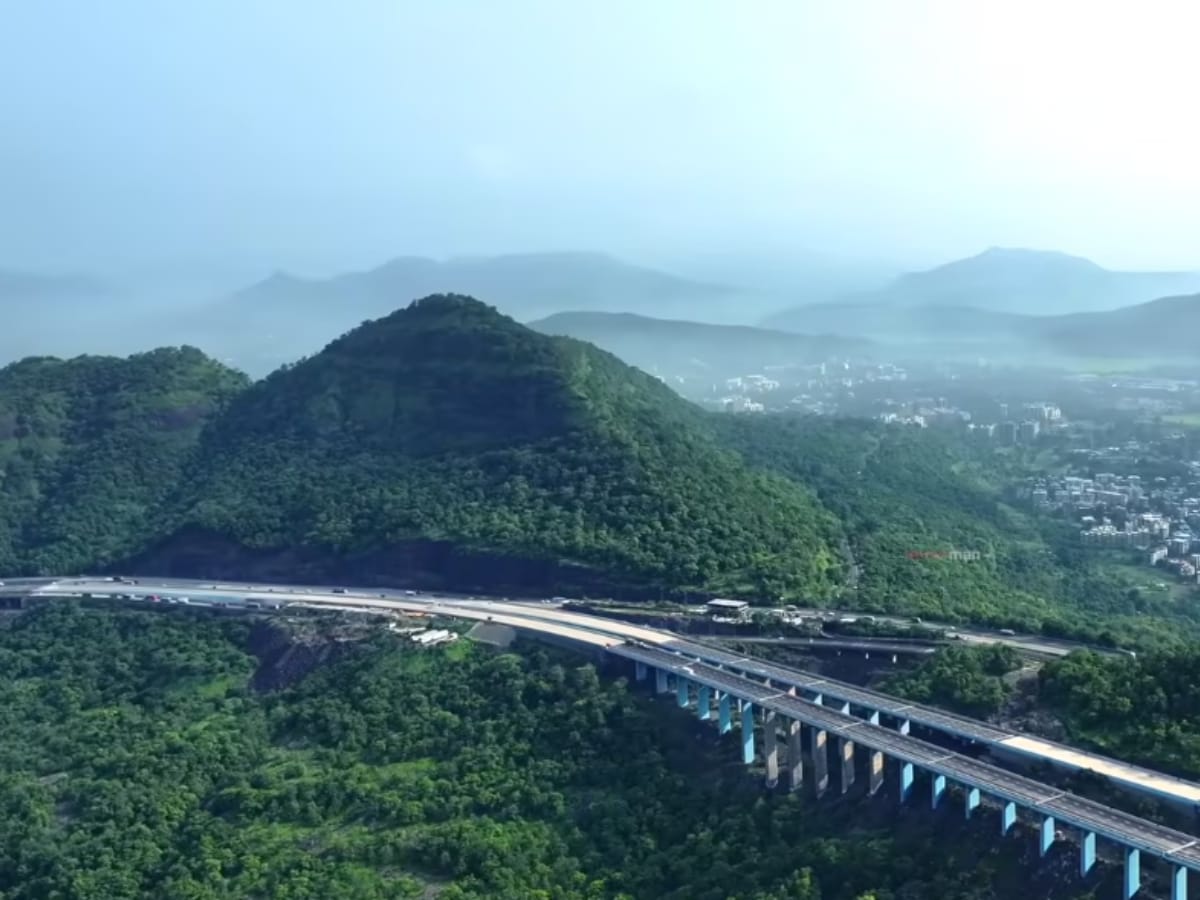
At 13.3 kilometres, the Missing Link corridor replaces one of India's most dreaded road stretches — not with a wider version of the same ghat nightmare, but with tunnels, viaducts and bridges that cut through the mountain rather than crawl over it.
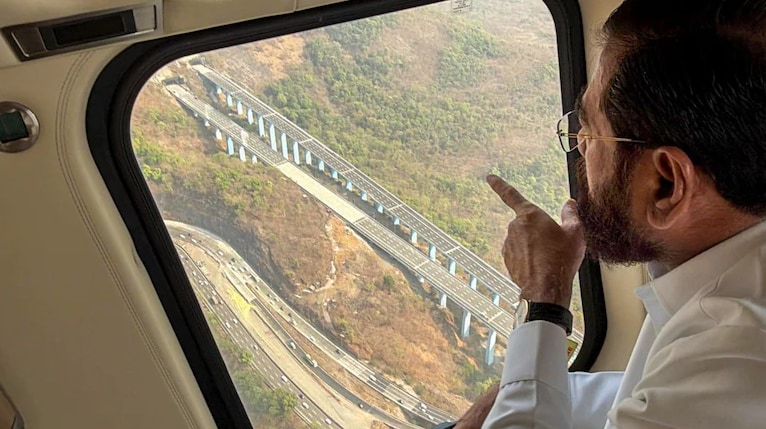
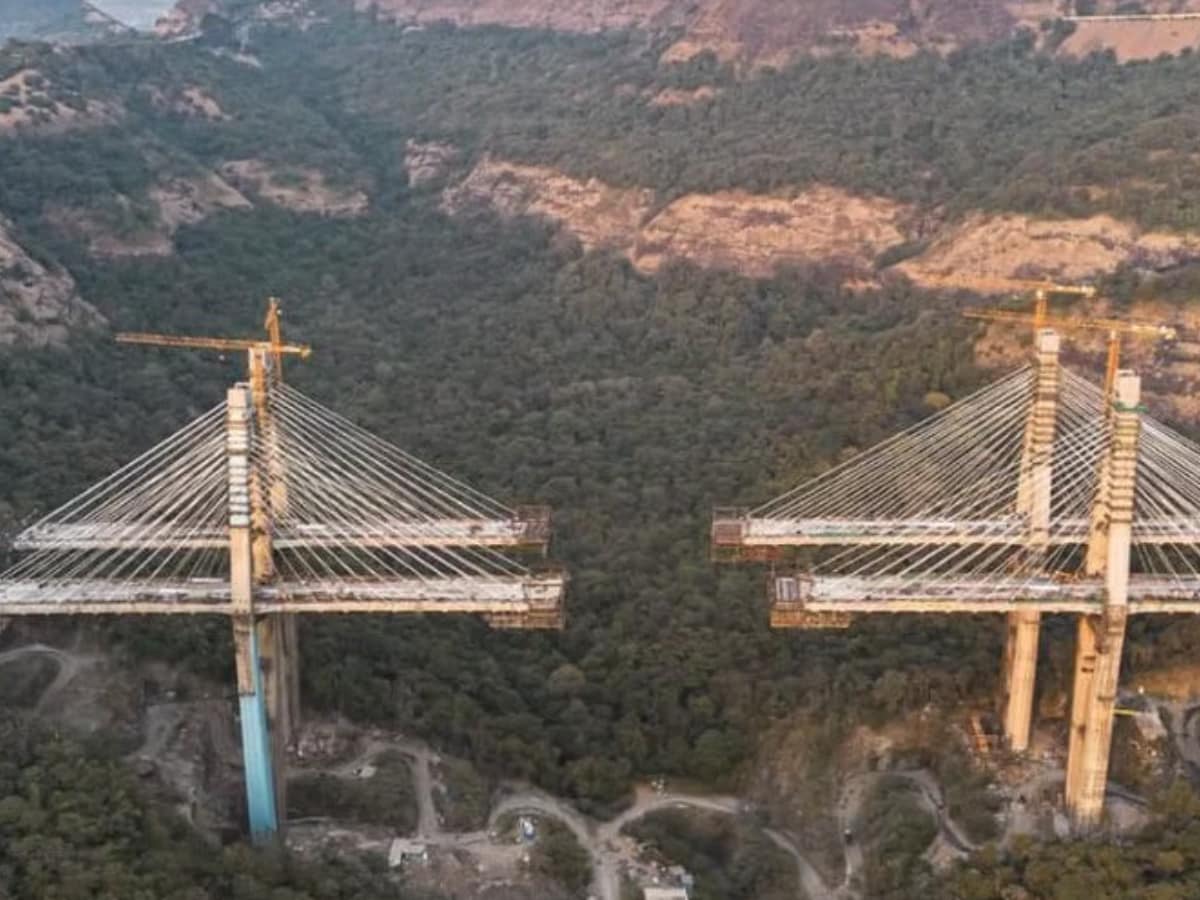
The Tiger Valley Bridge, spanning 640 to 650 metres, ranks among Asia's tallest road bridges. Wind-load testing for its design was conducted at specialised facilities abroad — a rare step for an Indian highway project that signals just how seriously engineers took the Sahyadri weather.
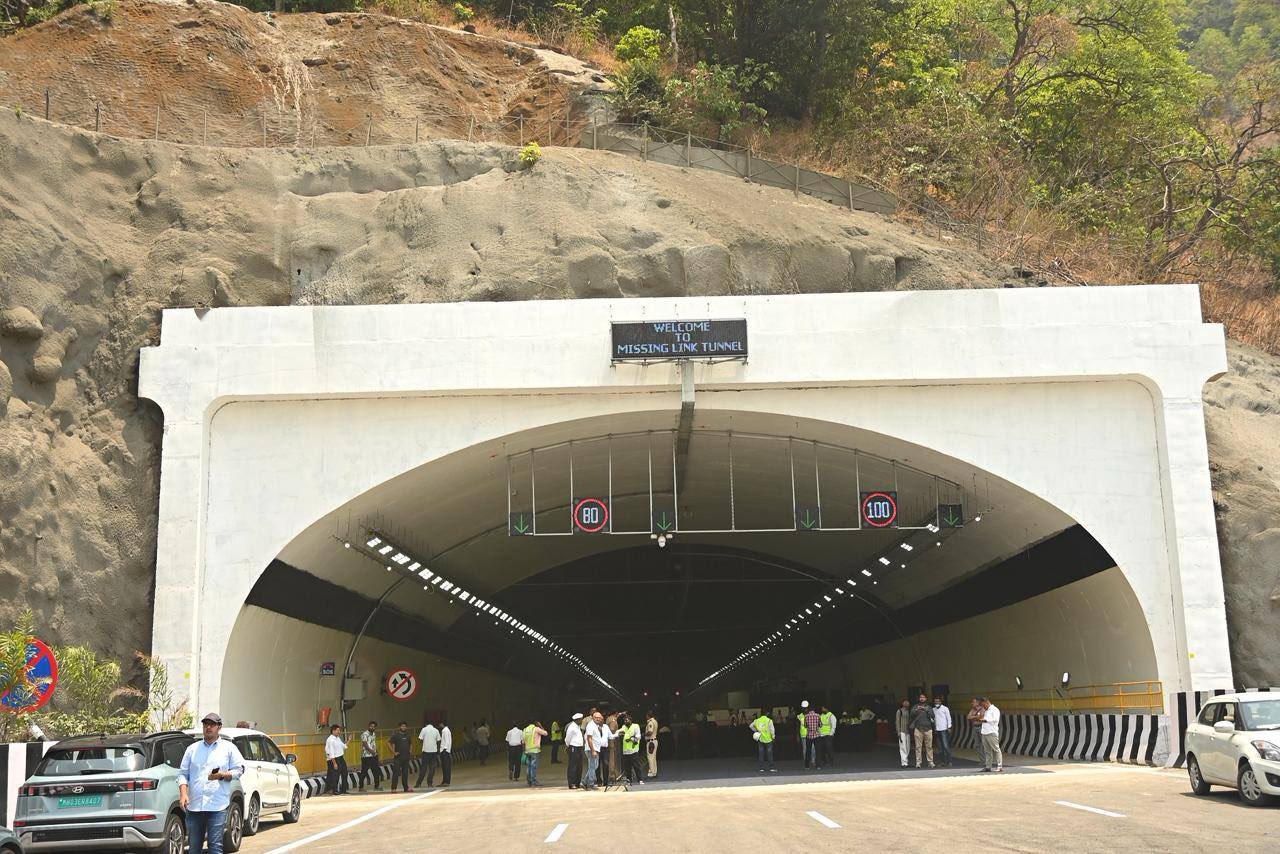
Eight lanes, emergency shoulders, full access control and tunnels built to handle high-speed traffic — the Missing Link is not a road widening project dressed up as something bigger. It is a fundamentally different kind of highway infrastructure for India. (X/@itspunenow)
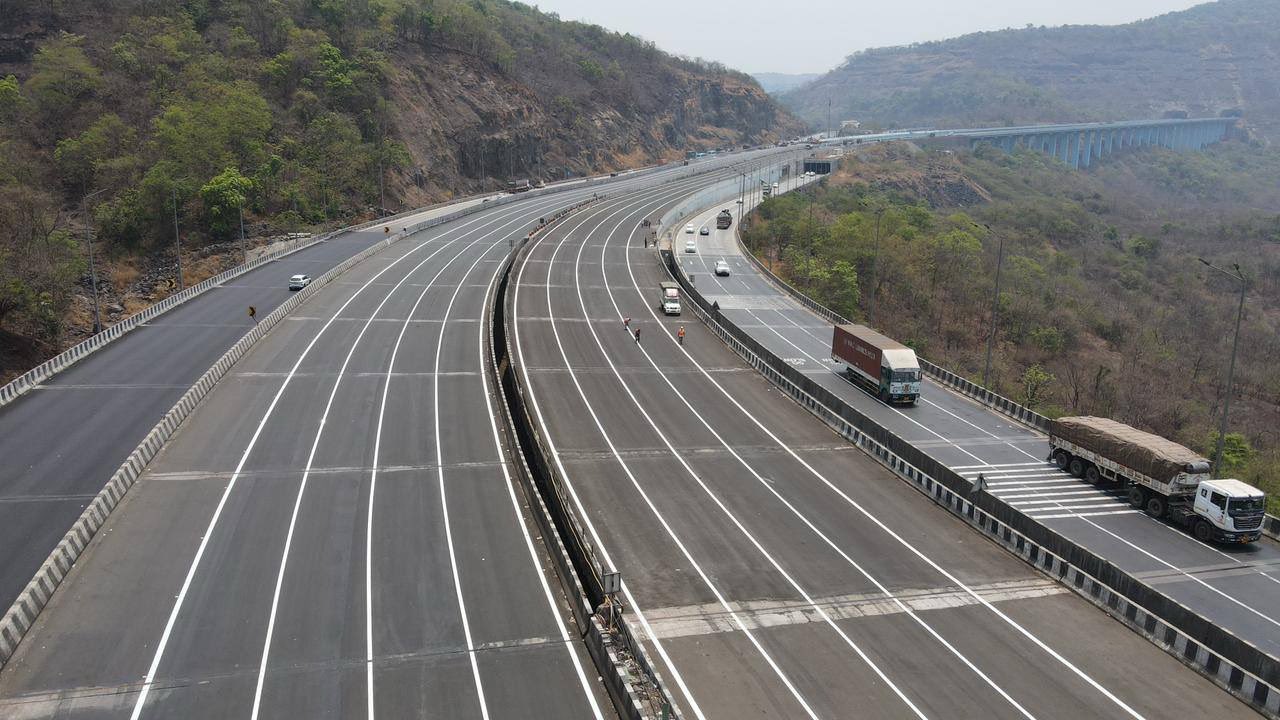
Years of tunnelling beneath a live lake, monsoon construction windows measured in weeks, and forest clearances that ran into legal thickets — the Missing Link took far longer than planned, but what emerged from the Western Ghats is a project that will outlast the controversy around its delays. (X/@itspunenow)
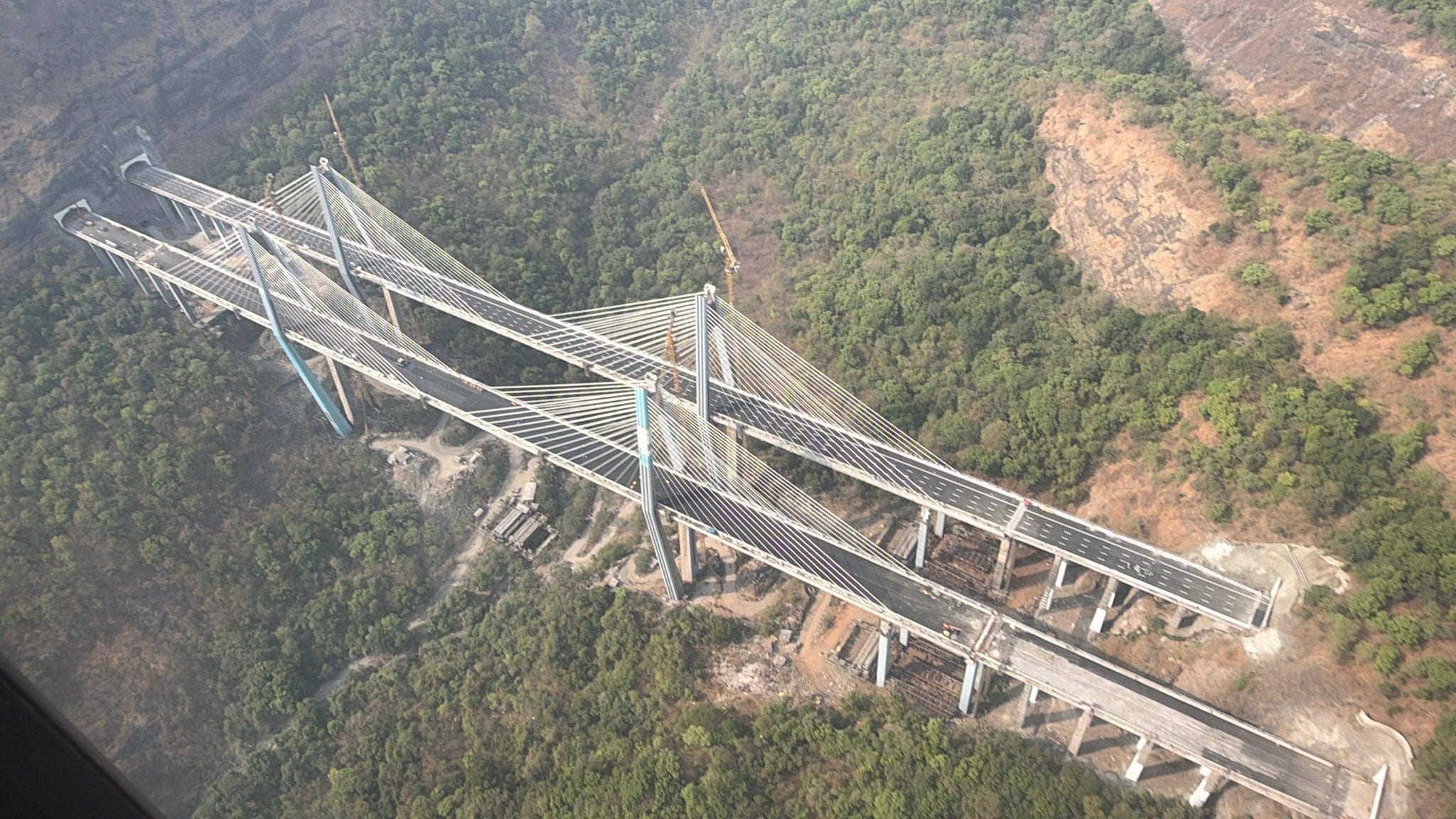
The Mumbai-Pune Expressway carries lakhs of vehicles every week — and for decades, every single one of them had to crawl through the ghat section, a stretch of sharp curves, steep gradients and monsoon fog that turned a three-hour drive into a five-hour ordeal on bad days. The Missing Link exists because that ordeal finally had an answer. (@itspunenow)
The ghat section has humbled everyone equally — politicians, executives, film stars and ordinary commuters have all sat in the same gridlock, staring at the same rain-soaked hillside, going nowhere. It is one of the few places in Maharashtra where a cabinet minister and a truck driver share the exact same frustration, bumper to bumper, for hours. (@LoksattaLive)
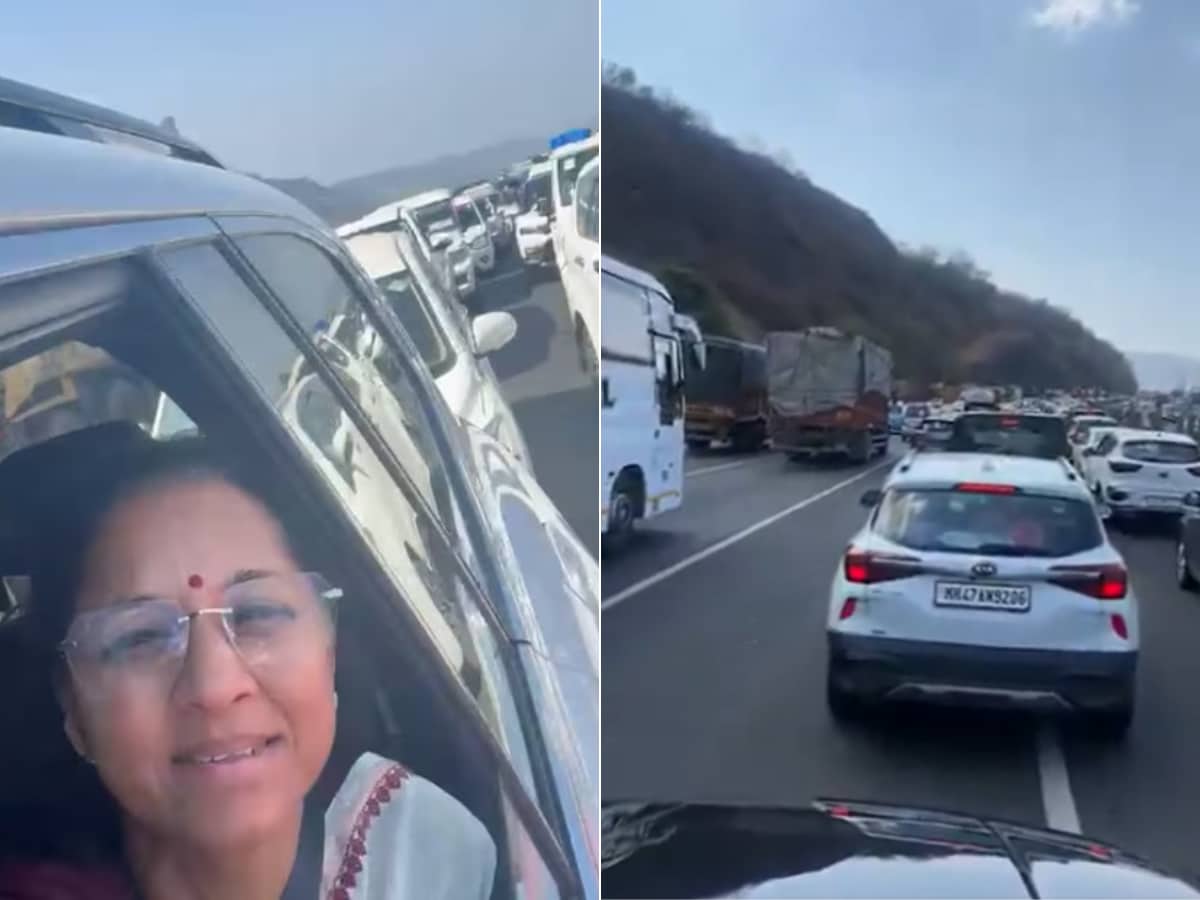
The Supriya Sule case brought the ghat's chaos into sharp national focus — the NCP leader was reportedly stuck in expressway traffic for hours, highlighting that no amount of political influence, police escort or urgency can move a jam on a road with nowhere to go. It became a symbol of everything the Missing Link was built to fix — and perhaps the most high-profile argument for why this project could not come soon enough.





 English (US) ·