

 1 week ago
11
1 week ago
11
ARTICLE AD BOX
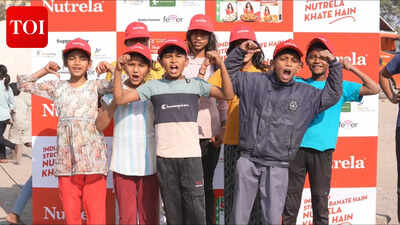
On National Protein Day, Nutrela served protein-rich meals to one lakh children across Delhi-NCR’s slum clusters, drawing attention to a silent protein deficit that hinders growth and development. The immediate relief is vital, yet the campaign also calls for sustained, structural action to tackle chronic malnutrition and secure healthier futures for India’s most vulnerable kids.
On February 27, observed as National Protein Day in India, a large-scale meal distribution drive reached 52 slum clusters across Delhi-NCR. Around one lakh children were served protein-rich meals as part of a campaign titled #NutrelaGivesBack, led by Nutrela, a brand under Patanjali Foods Limited.Protein deficiency remains a quiet, widespread concern in India, especially among children from low-income families. This effort throws light on a question that rarely gets prime-time attention: Are Indian children getting enough protein to grow, learn, and thrive?
Why protein still matters more than we admit
India has long battled undernutrition, but conversations often focus on calories rather than quality. Many children consume enough food to fill their stomachs, yet miss out on essential nutrients that help build muscle, strengthen immunity, and support brain development.
Protein plays a central role in all of this.Protein is not just about muscle. It repairs tissues, builds enzymes and hormones, and supports growth during childhood. A prolonged lack of protein can lead to reduced immunity, slower cognitive development, and fatigue. In growing children, this gap can shape long-term health.On National Protein Day, the campaign served approximately one lakh meals to children across 52 slum communities in Delhi-NCR.
The meals were prepared using plant-based protein sources, including soy-based ingredients, and were cooked with fortified oil containing vitamins A and D.Distribution was carried out in partnership with non-profit groups such as Robin Hood Army, Truly Help, and Helpin Humanity. These organisations handled last-mile delivery, ensuring meals reached children directly within their communities.The scale of the operation stands out. Coordinating meal preparation, transport, and on-ground distribution across multiple urban clusters in a single day requires planning and collaboration.
Yet the larger impact lies not in the numbers alone, but in what those numbers represent: a spotlight on a nutritional shortfall that often goes unnoticed.The initiative was led by Nutrela, a brand under Patanjali Foods Limited. In an official statement, CEO Sanjeev Asthana said, “Nutrela is more than just a protein brand — it is part of our larger vision of nation-building. Patanjali believes that a strong nation is built on the pillars of education and health.
With widespread protein deficiency in India, it is critical that the nutritional gap is bridged to drive long-term health outcomes.
”Such campaigns often sit at the intersection of corporate responsibility and public health messaging. It is important to view them with balance. On one hand, food distribution drives provide immediate relief and raise awareness. On the other, sustained nutrition requires structural solutions — access to affordable protein sources, maternal education, school meal reforms, and improved public distribution systems.A single-day drive cannot solve chronic malnutrition. But it can start conversations and draw attention to protein intake, especially in communities where daily meals are uncertain.Protein deficiency does not make headlines like infectious outbreaks do. It builds quietly, affects school performance, lowers immunity, and shapes adult health years later. Addressing it demands long-term collaboration between government bodies, food companies, civil society, and communities themselves. Nutrition is rarely dramatic. But it is decisive.



 English (US) ·