

 6 days ago
7
6 days ago
7
ARTICLE AD BOX
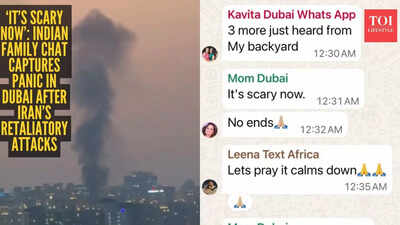
The Middle East experienced a sudden escalation on Saturday. Following coordinated strikes in Iran, Iranian forces launched retaliatory attacks targeting the United Arab Emirates. Residents in Dubai heard explosions as air defence systems intercepted drones and missiles. This event brought conflict closer to home for many, shifting perceptions of safety in the region.
The Middle East didn’t ease into Saturday. It jolted awake.News of a massive military strike inside Iran spread quickly after the United States and Israel carried out coordinated attacks. Soon after, US President Donald Trump made a dramatic claim - that Iran’s Supreme Leader Ali Khamenei had been killed during the operation.That single statement instantly pushed tensions to another level. Governments reacted cautiously. Markets grew nervous. And across the region, people waited to see how Iran would respond.They didn’t have to wait long.Within hours, reports began emerging of Iranian retaliatory strikes aimed at locations across the United Arab Emirates. Overnight, residents in Dubai and nearby areas heard explosions as air defence systems intercepted incoming drones and missiles.For many people living there, it felt unreal.Dubai isn’t a city used to war sounds. It’s known for safety, late-night cafés, busy airports and uninterrupted routines. So when interceptions lit up the sky and loud blasts echoed across neighbourhoods, confusion quickly turned into anxiety.Some reports suggested drones targeted areas near Dubai International Airport. Authorities later confirmed that debris from intercepted drones caused damage at the iconic Burj Al Arab, where shrapnel sparked a fire that emergency teams managed to control quickly.
Officials said no injuries were reported.Still, sleep was hard to come by.As sirens and interceptions continued, people turned to the most immediate source of information they had - family chats. Phones buzzed constantly. Messages flew between relatives checking if everyone was safe.
One snapshot of that tense night came from Hong Kong-based entrepreneur Prakash Dadlani, who shared a screenshot of his family WhatsApp group on X.
His relatives, including his mother believed to be in Dubai, were describing events as they unfolded around them.“3 more just heard from my backyard,” read one message from a contact saved as “Kavita Dubai WhatsApp.”Moments later came another message: “It’s scary now. No ends.”Posting the screenshot, Dadlani wrote that he never imagined seeing such conversations connected to Dubai - a city widely viewed as one of the safest in the world.“Dubai is one of the safest cities in the world. Never imagined my family chat would look like this one day,” he said.While social media filled with worry and speculation, UAE authorities moved quickly to reassure residents.The UAE Ministry of Defence announced that its air force and air defence systems had intercepted and destroyed a significant number of incoming threats since the attacks began - including 137 ballistic missiles and 209 drones aimed toward Emirati territory.
Officials described the response as evidence of strong preparedness and effective defence capability.Another incident was reported at Jebel Ali Port, where debris from interception operations caused a fire at one of the port’s berths. Civil Defence teams responded immediately and brought the situation under control, again with no reported injuries.Authorities stressed throughout the night that emergency services remained fully operational and that the situation was being closely monitored.But even with reassurances, something had shifted.For years, Dubai has symbolised stability in a region often defined by geopolitical tension. Residents are used to watching conflicts unfold on television screens, not hearing echoes of them outside their windows.And that’s why the psychological impact felt so strong.The conflict suddenly stopped feeling distant. It moved from headlines into living rooms, balconies and late-night family conversations filled with uncertainty.What began as a military confrontation between powerful nations quickly turned into an emotional reality for civilians across the Gulf - people checking the sky, refreshing news apps, and wondering what the next few hours might bring.Global leaders are now urging restraint, hoping the escalation doesn’t spiral further. Diplomatic channels are expected to work quietly behind the scenes. Yet for ordinary residents, the uncertainty remains.Because moments like these change how a region feels overnight.The explosions may have been intercepted. The fires may have been controlled. Daily life may resume soon.But for many who heard those sounds in the dark, the night served as a reminder that even places known for calm can suddenly find themselves at the centre of global tensions.And across the Middle East, people are now watching carefully - hoping this was a warning shot, not the start of something much bigger.




 English (US) ·