

 1 hour ago
4
1 hour ago
4
ARTICLE AD BOX
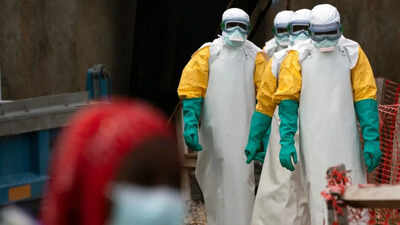
There’s a new Ebola outbreak in the Democratic Republic of Congo, and it’s got Africa worried, and the world paying attention. Health officials have already confirmed 65 deaths and hundreds of suspected cases in eastern Ituri province, with fears the virus could cross borders into nearby countries.
Ebola outbreak in Congo: What’s happening?
Per Reuters, this outbreak got an official stamp from the Africa CDC and is among the worst Ebola emergencies in years. Over 246 suspected cases have emerged, mostly around Mongwalu and Rwampara, the mining regions, and lab tests confirm real infections.What’s really got scientists uneasy is early evidence pointing to a rare Bundibugyo strain, not the typical Zaire strain that current vaccines target. Now, Congo, Uganda, and South Sudan are racing to ramp up border checks, isolation protocols, and emergency treatments.
WHO sent in teams and funds to help contain it.
What’s Ebola?
For most people, Ebola is like a nightmare disease, and for good reason. It causes Ebola virus disease (EVD), a severe illness that attacks multiple body systems. The virus damages your blood vessels, organs, and immune system. In bad cases, you get widespread inflammation, internal bleeding, organ failure, and shock. Some outbreaks have seen mortality as high as 90%, depending on the strain, healthcare, and speed of treatment.
Per PBS, Ebola first appeared in 1976 near the Ebola River, now in the DRC, and the country has had 17 outbreaks since then, more than anywhere else. Scientists say the virus jumps from animals to humans, probably through infected fruit bats, which carry it naturally. People also get Ebola from bodily fluids of sick wild animals, like monkeys or antelopes. Once the virus hits people, it spreads through direct contact through blood, vomit, saliva, sweat, urine, semen, or contaminated surfaces.However, it’s important to remember that it's not airborne, unlike COVID-19 or measles, so casual breathing won’t transmit it. But close contact, especially at home, hospitals, or funerals, makes it extremely dangerous. That’s why Ebola can explode in places with overcrowded clinics and little protective gear.Authorities say this outbreak is unfolding in remote Ituri, a region plagued by armed militias, mining, and constant movement.
That makes containment way harder: infected folks might travel before showing serious symptoms, and health teams have trouble reaching affected areas safely.Uganda already reported one Ebola death tied to a Congolese traveller who crossed over while infected.
What are the symptoms of Ebola?
Ebola symptoms usually hit between two and 21 days after exposure. At first, it looks like flu or malaria with sudden fever, extreme exhaustion, headaches, muscle pain, and sore throat.
As it gets worse, you see vomiting, diarrhoea, stomach pain, and rashes. Severe cases can include internal and external bleeding, sometimes from the gums, nose, or intestines. Rapid organ failure and septic shock follow if untreated.Per AP News, doctors say Ebola is so lethal because it wrecks the immune system and blood vessels fast. Many patients become severely dehydrated and unstable within days.However, the fear around the disease makes things worse.In past outbreaks, misinformation and mistrust of authorities led some people to hide symptoms or avoid hospitals. Funerals can be risky, since bodies remain highly infectious.
What’s next?
The West Africa epidemic (2014–2016) is proof of how quickly the virus can get out of control, when more than 11,000 people died in Guinea, Liberia, and Sierra Leone, the deadliest Ebola outbreak to date. Yet today, response teams are way more prepared: rapid isolation, better protective gear, contact tracing, and experimental treatments have helped boost survival rates.
The DRC has developed skilled teams specifically for outbreak response over the years.However, this outbreak presents challenges because it might involve a non-Zaire strain. The widely used Ervebo vaccine was mainly developed for the Zaire strain, so scientists are hustling to figure out if current options will work this time.
Should you panic?
Experts say the overall risk to the global public is low. As a rule, Ebola outbreaks don't become global pandemics: containment and local health measures usually stop broader spread.But in affected areas, you do need to be careful. Avoid direct contact with bodily fluids, wash hands often, seek medical help if symptoms appear after exposure, and don't handle dead animals or attend unsafe burials. Healthcare workers need full protective gear for suspected cases. As for the authorities, currently, they’re hyper-focused on containing the outbreak before it spills across borders.









 English (US) ·