

 7 hours ago
5
7 hours ago
5
ARTICLE AD BOX

MP Supriya Sule has introduced the Right to Disconnect Bill, 2025, aiming to grant Indian employees a legal right to switch off after work without fear of reprisal. This bill addresses the growing issue of constant digital work pressure, burnout, and blurred work-life boundaries, seeking to restore healthier professional environments.
Imagine finally logging out of work, shutting your laptop, and sitting down with dinner, only for your boss to call, your team to message, and emails to start piling up again. For many Indian employees, “after work hours” barely exists anymore.
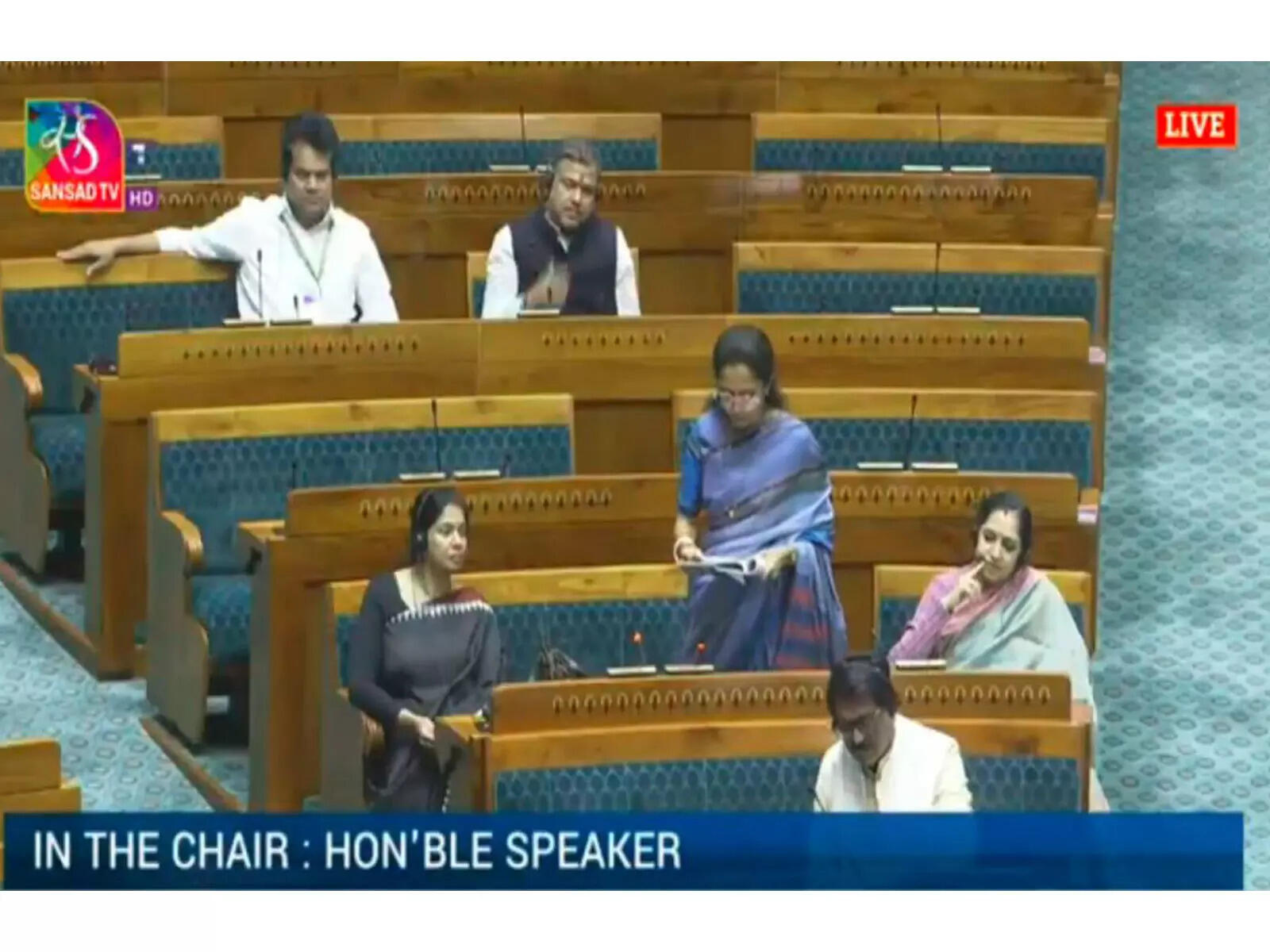
Supriya Sule moves Bill to ensure Right to disconnect after office hours
To tackle this growing problem of nonstop digital work pressure, MP Supriya Sule has introduced the Right to Disconnect Bill, 2025 in the Lok Sabha. The bill aims to give workers a legal right to switch off after work without fear of punishment.Here’s a simple breakdown of what’s inside and what it means for you.
What is the Right to Disconnect Bill?
The bill basically says that once your workday is over, your employer cannot force you to take calls, respond to emails, or deal with work messages.It applies not just to phone calls, but also:EmailsWhatsApp messagesTextsVideo callsAny other work communicationIf you choose not to respond outside of office hours or on weekends and holidays, your company cannot punish you for it.This bill recognises that constant availability, especially in the digital era, is causing burnout, stress, and an unhealthy overlap of personal and professional life.
Why was this Bill introduced?
Over the past few years, remote work and digital tools have blurred boundaries for Indian workers. Many employees report:Not being able to disconnect mentallyFeeling pressured to check messages late at night

Emotional exhaustionSleep issuesA constant need to respond immediately (“telepressure”)Being overloaded with informationThe bill highlights how technology meant to make work easier has instead created a culture where employees feel “always on,” even after hours.
India already has one of the longest official workweeks globally at 48 hours. Add overtime and digital availability, and work-life balance becomes nearly impossible.The new bill tries to protect employees’ well-being while still giving organisations room to handle genuine emergencies.
Key rights employees would get under this Bill
Here’s the bill in everyday language, without the legal clutter:1. No more mandatory work calls after office hoursIf your manager calls after work, you can choose not to pick up and you can’t be penalized for it.2. No punishment for ignoring emails or messagesNo warnings, no performance issues, no bad appraisals simply because you didn’t reply at night.3. Applies to all communicationCall, text, WhatsApp, Teams, Zoom - everything.4. A plan for real emergenciesCompanies can create rules for how to contact employees during actual emergencies, but only if these rules are mutually agreed upon.5. Overtime must be paidIf you do work extra hours voluntarily, you should be paid overtime at your usual rate.6. Penalties for employersOrganisations that violate the rule may have to pay a penalty (the bill suggests around 1% of total employee remuneration).
How will it work in real life?
If the bill becomes law, companies will need to:Clearly define official work hoursSet boundaries for communicationTrain managers to respect the disconnect ruleAgree on what counts as an emergencyCreate systems so employees don’t feel pressuredA special committee would help draft these rules for each workplace.This means the “always available” culture could finally begin to shift.
Why this matters for employees
For many Indian workers, evenings and weekends have slowly become extensions of office hours. Even holidays aren’t free from notifications.The bill aims to give employees:Better work-life balanceMore time for family, rest, and personal lifeReduced mental fatigue
Better sleepA healthier relationship with workIn short, it gives you the right to switch off without guilt.
Has this Bill been introduced before?
Yes, Supriya Sule proposed a similar bill in 2019. That earlier version did not become law, but with digital work increasing and burnout rising, the conversation has become even more urgent in 2025.
Why it matters now
India’s workplaces have changed dramatically since the pandemic. The expectation to be reachable at all times has become normal, especially with the rise of remote and hybrid working.The Right to Disconnect Bill acknowledges this shift and tries to restore healthy boundaries.Whether it passes or not, the proposal has opened up an important national conversation:Should work be allowed to follow us home 24/7?For millions of employees across India, this bill represents hope for a more humane, balanced work culture.







 English (US) ·