

 2 hours ago
5
2 hours ago
5
ARTICLE AD BOX
Last Updated:March 03, 2026, 13:40 IST
Long before Iran became an Islamic republic, it was a Western-oriented, secular country that encouraged education and economic development.
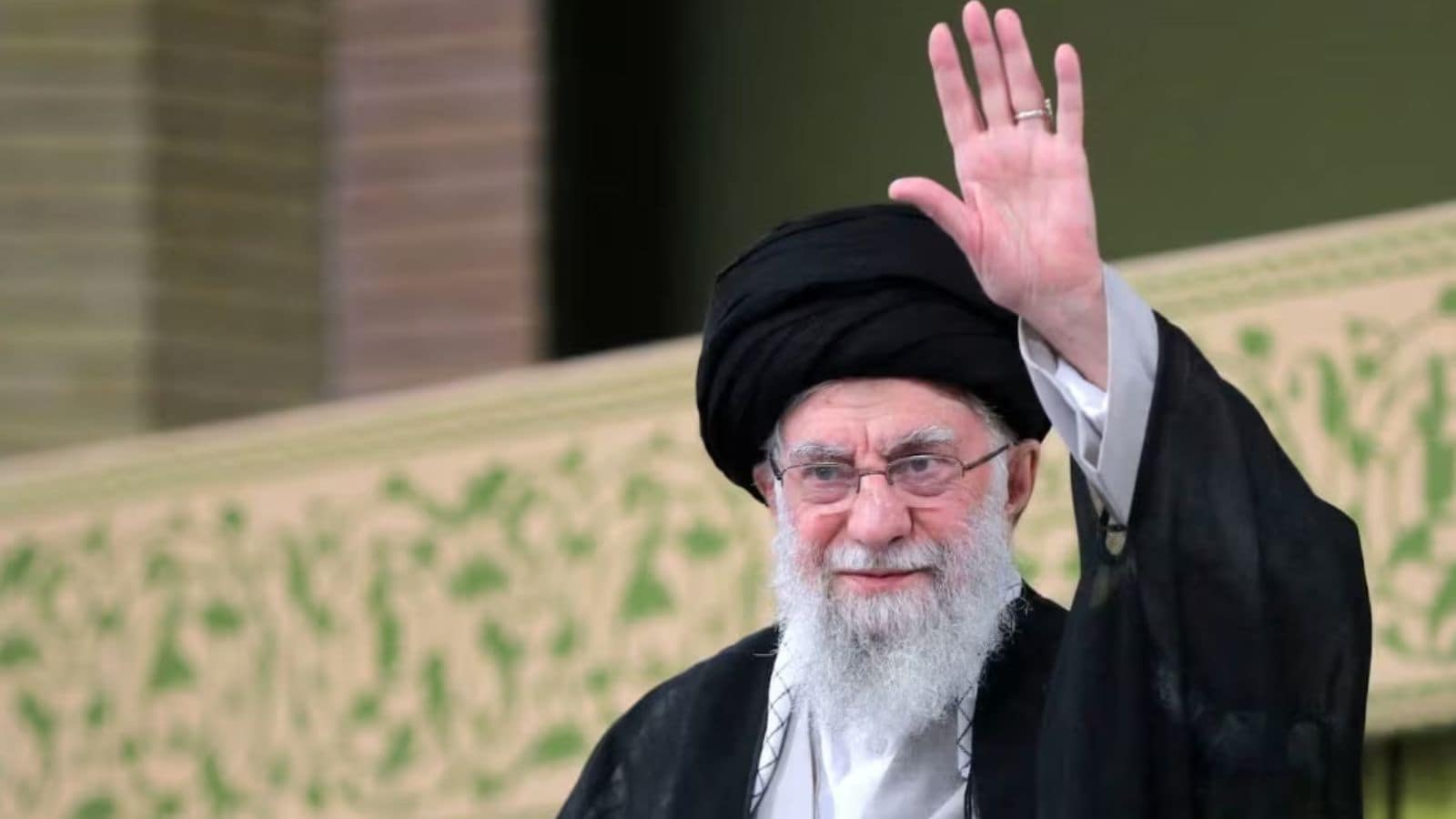
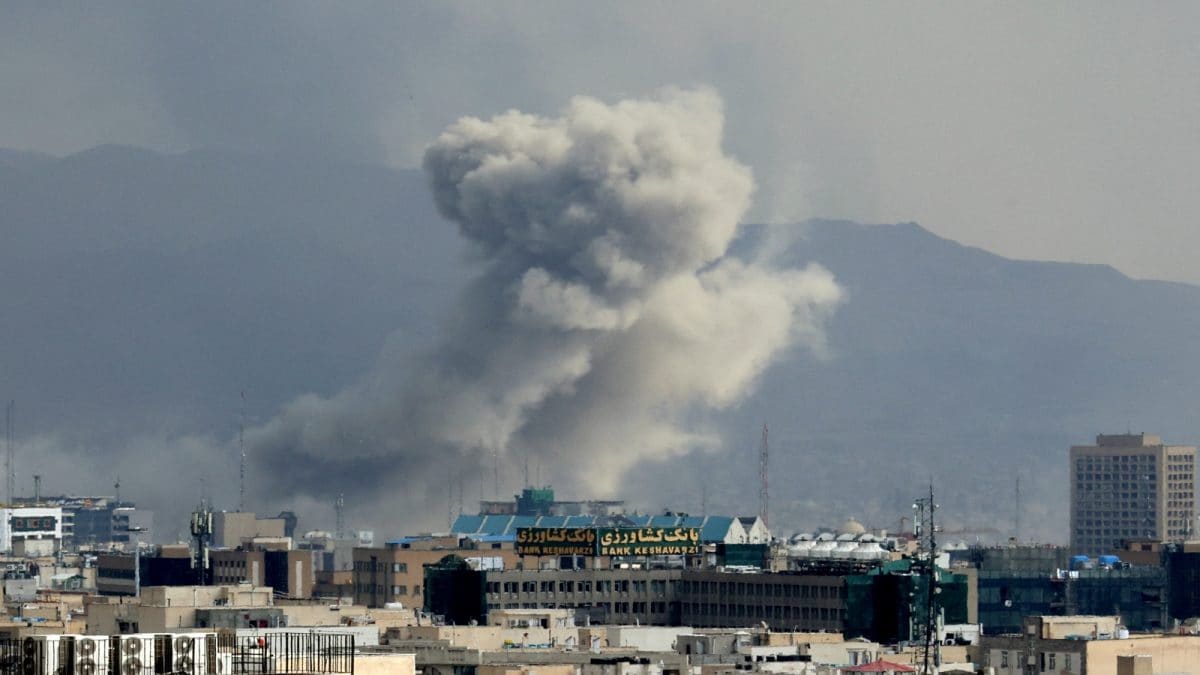
Iran has confirmed that Supreme Leader Ayatollah Ali Khamenei was killed in the military strikes coordinated by the United States and Israel. The media reported that he died in the early hours of Saturday, February 28. With his demise, a hugely consequential chapter in Iran’s modern history came to an end. He was a key religious figure during the upheavals that led to the 1979 Islamic Revolution, which transformed Iran into an Islamic republic. He had been in power since 1989.
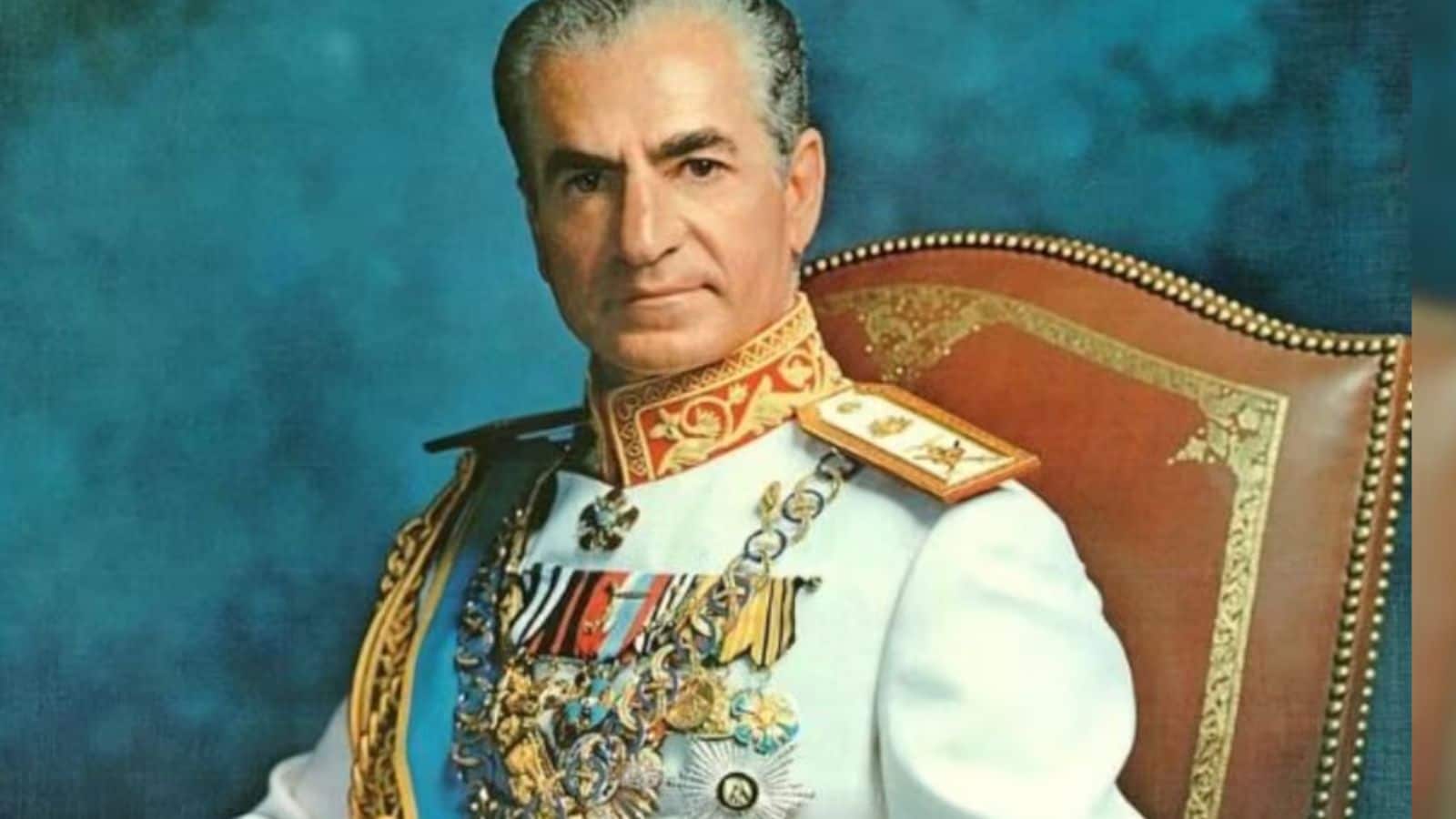
But long before Iran became an Islamic republic, it was a Western-oriented, secular country that encouraged education and economic development, all because of King Mohammad Reza Pahlavi, popularly known as the Shah. He took control of the country after his father stepped down during World War II. From 1941 to 1979, he ruled Iran and led the country through a series of changes.
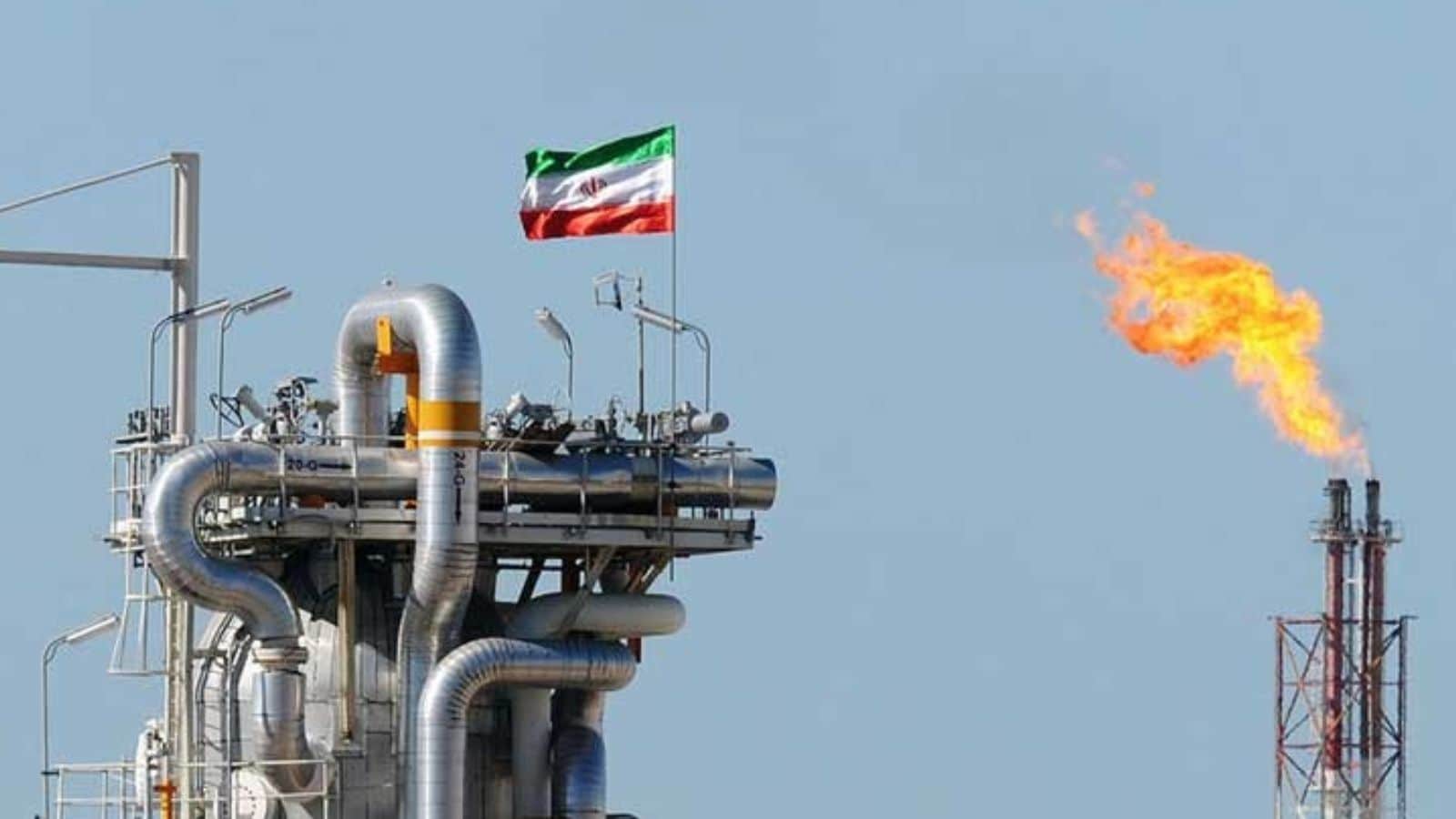
Due to Iran’s large oil reserves, proximity to India, and shared border with the Soviet Union, the country received strong backing from Britain and the United States. The Shah also became a key ally of the West in the Middle East during a tense and changing political era.
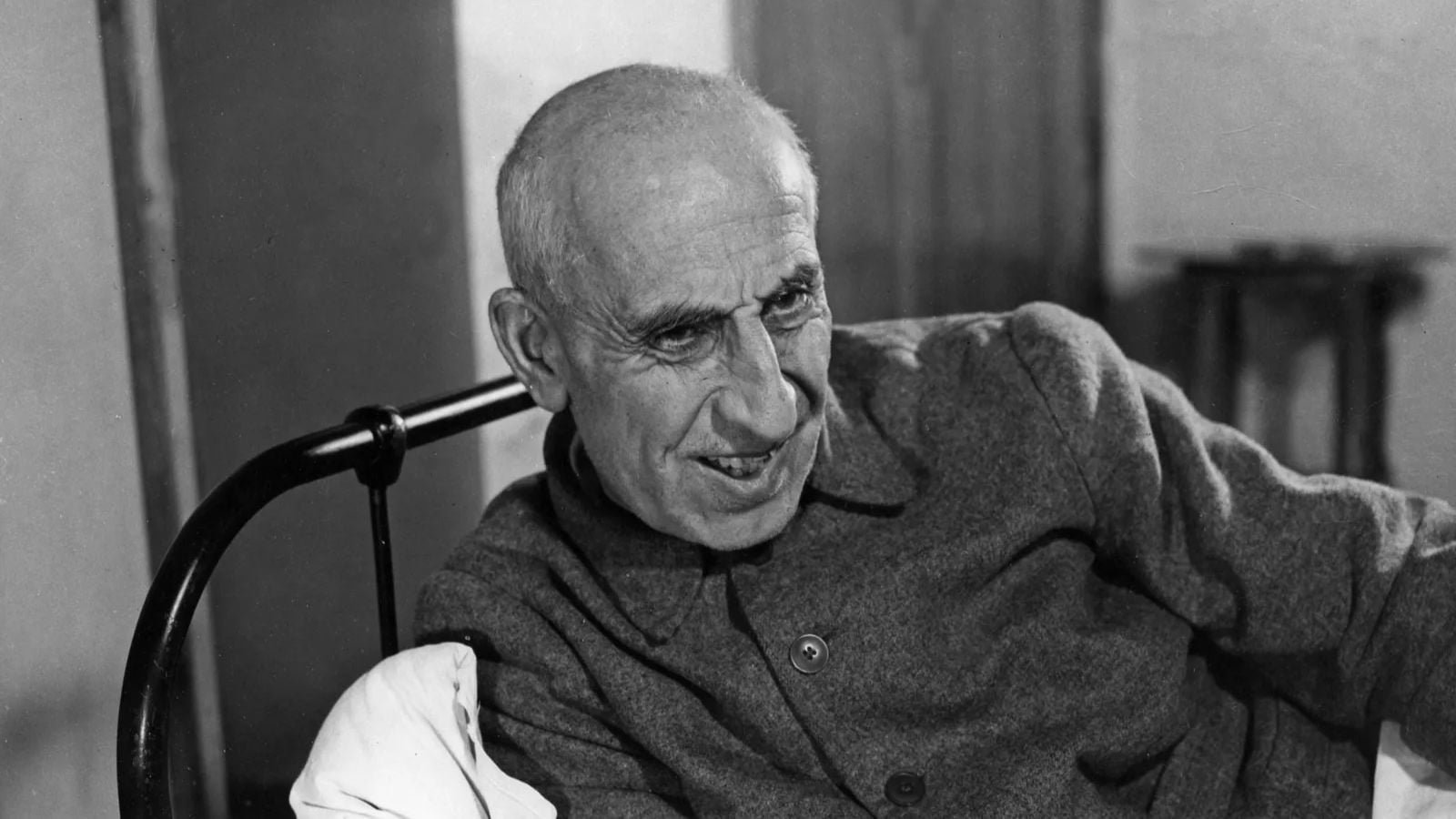
The Shah’s continuous push to make Iran a pro-Western country received backlash from the communists and religious members of the society. In 1953, the country faced major political unrest. Prime Minister Mohammad Mosaddegh tried to nationalise Iran’s oil industry, which angered Britain. After a failed first attempt, a second Western-backed coup removed him from power. The Shah, who had briefly fled the country, returned and strengthened his control.
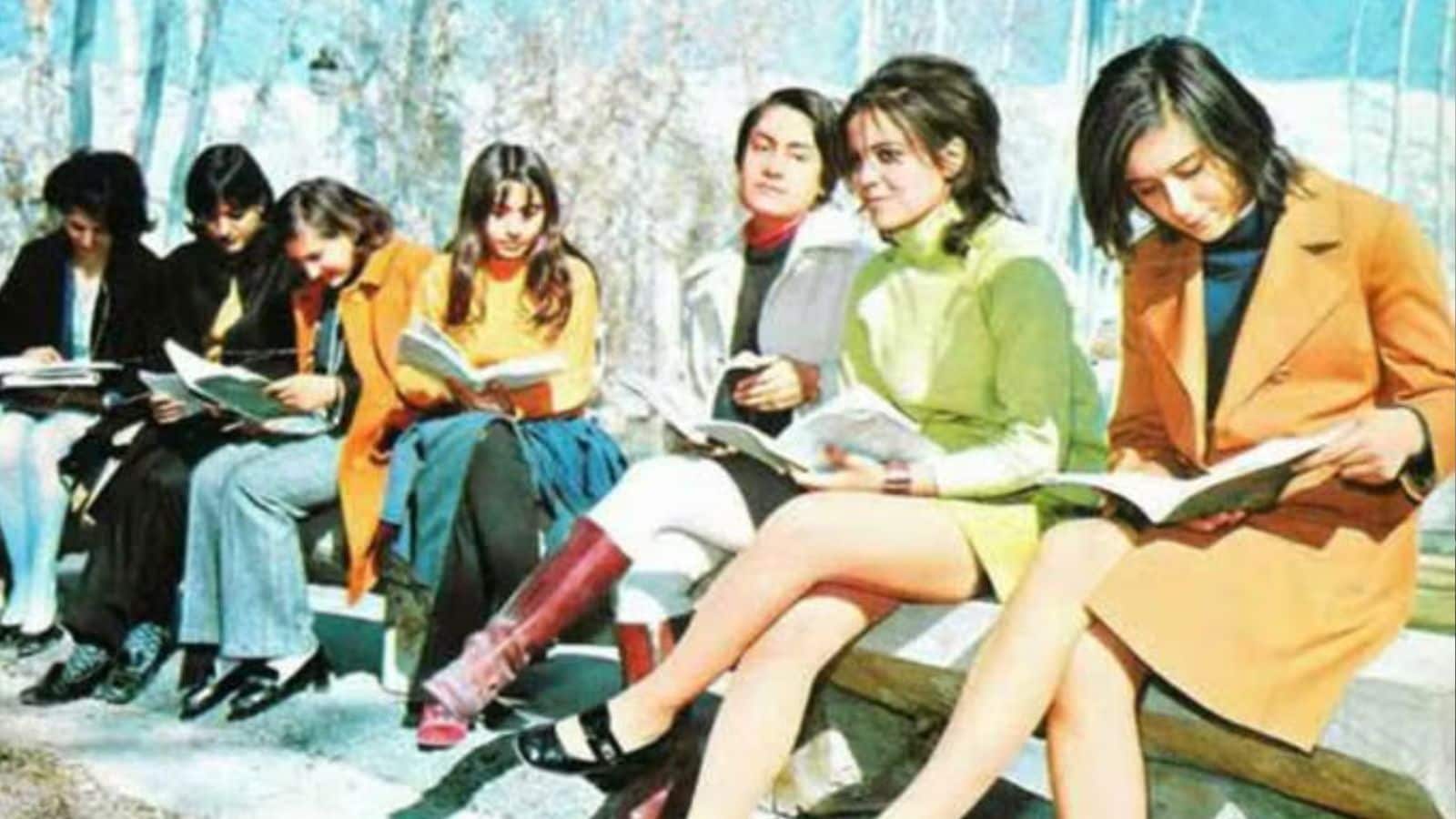
In the following years, the Shah pushed rapid modernisation and also introduced social reforms. Women were encouraged to attend school and work outside their homes. Veils were banned in public, and Western-style clothing became common in cities. Men and women mixed more freely, and the capital city adopted a lifestyle that was influenced by European and modern cultural trends.
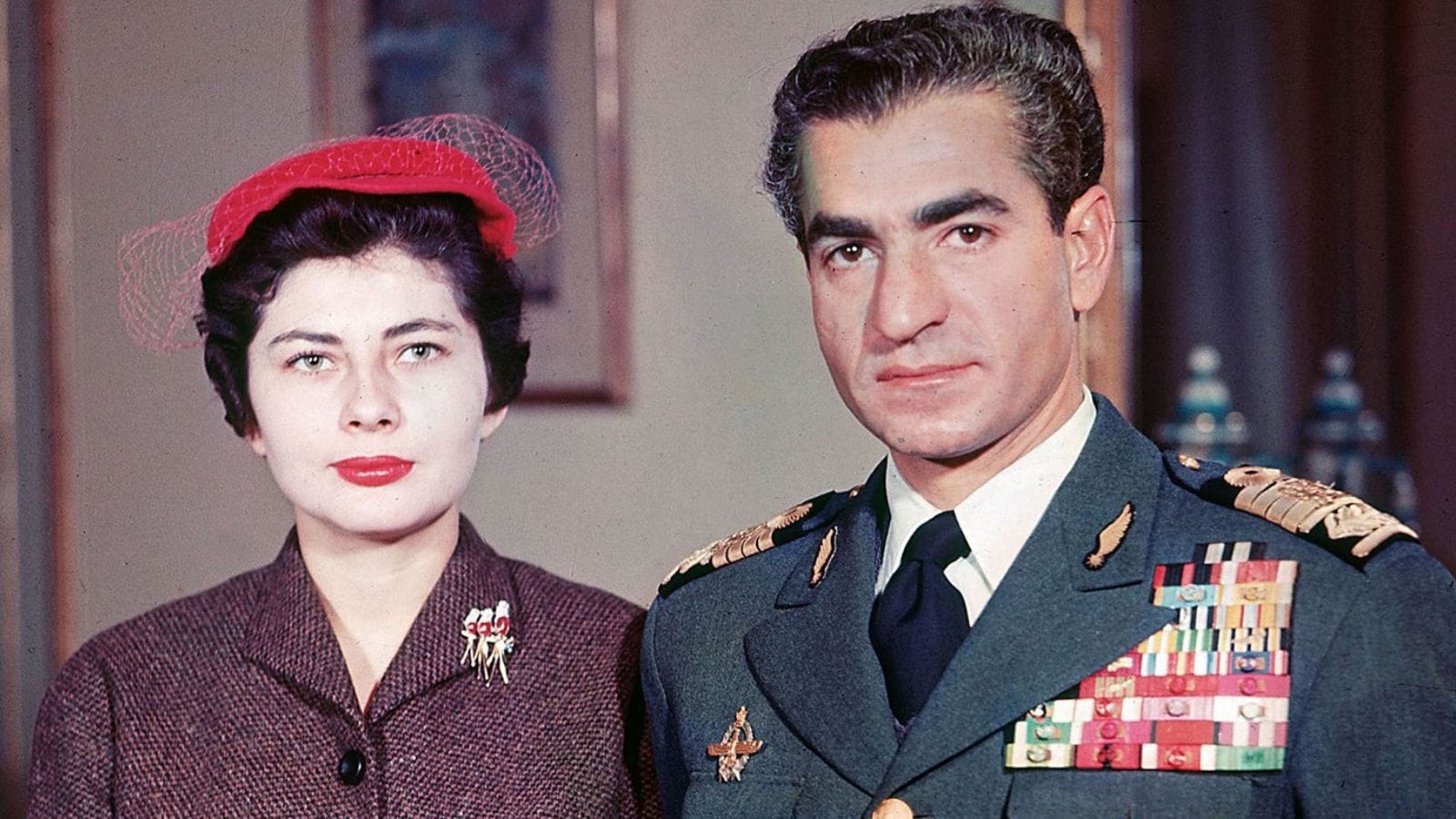
Leading the charge of modernisation in the country was the royal family. The Shah married Soraya in 1951. During their wedding ceremony, she wore a Dior gown featuring thousands of diamonds. The two got divorced in 1958 after Soraya failed to produce an heir. In 1959, the Shah married Farah Diba and had four children. They became the symbols of glamour and the Western lifestyle, with renowned celebrities from around the world visiting the country.
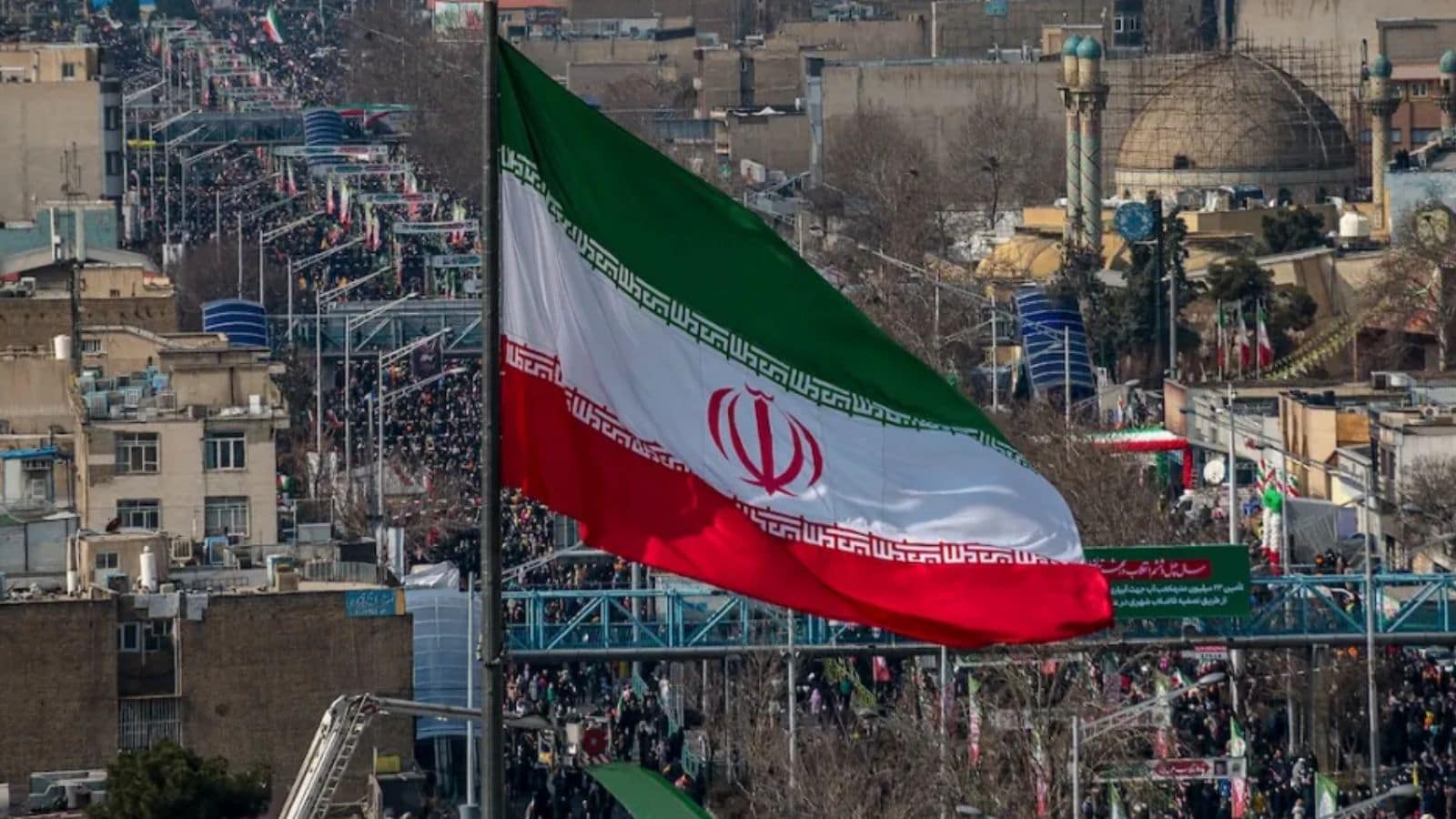
Such changes upset many religious and traditional communities. Some felt the reforms completely ignored Islamic values and weakened Iran’s cultural identity. Political opponents and religious leaders began criticising the Shah’s growing authoritarian rule.
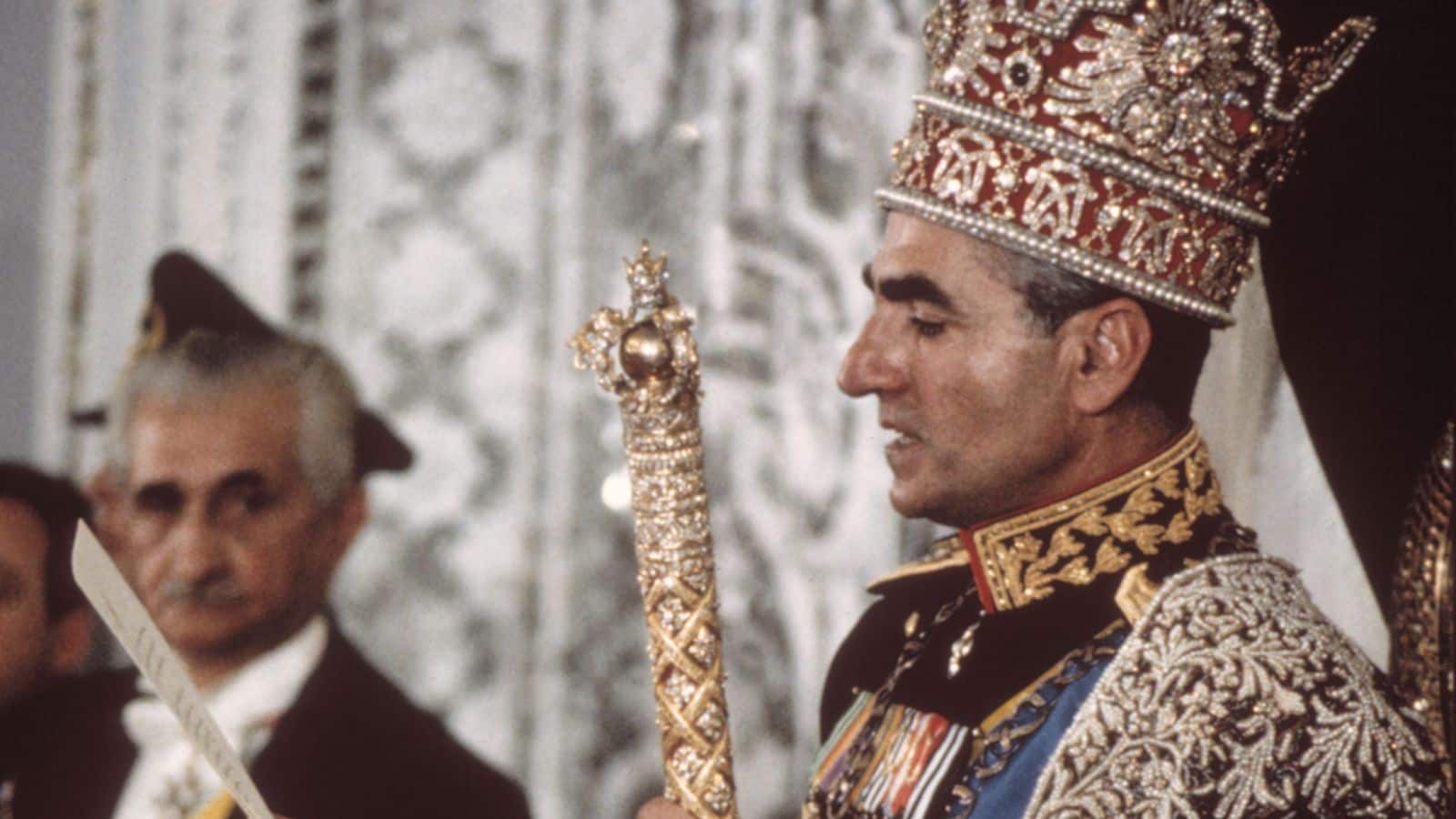
In 1967, the Shah crowned himself “Shahanshah”, meaning King of Kings, at a ceremony in Tehran. Government-funded celebrations were launched throughout the country to honour Iran’s Persian roots. By the mid-1970s, the Shah tightened his grip on power. He abolished the multiparty system and concentrated power in his own hands under the government-permitted Rastakhiz (Resurrection) party.
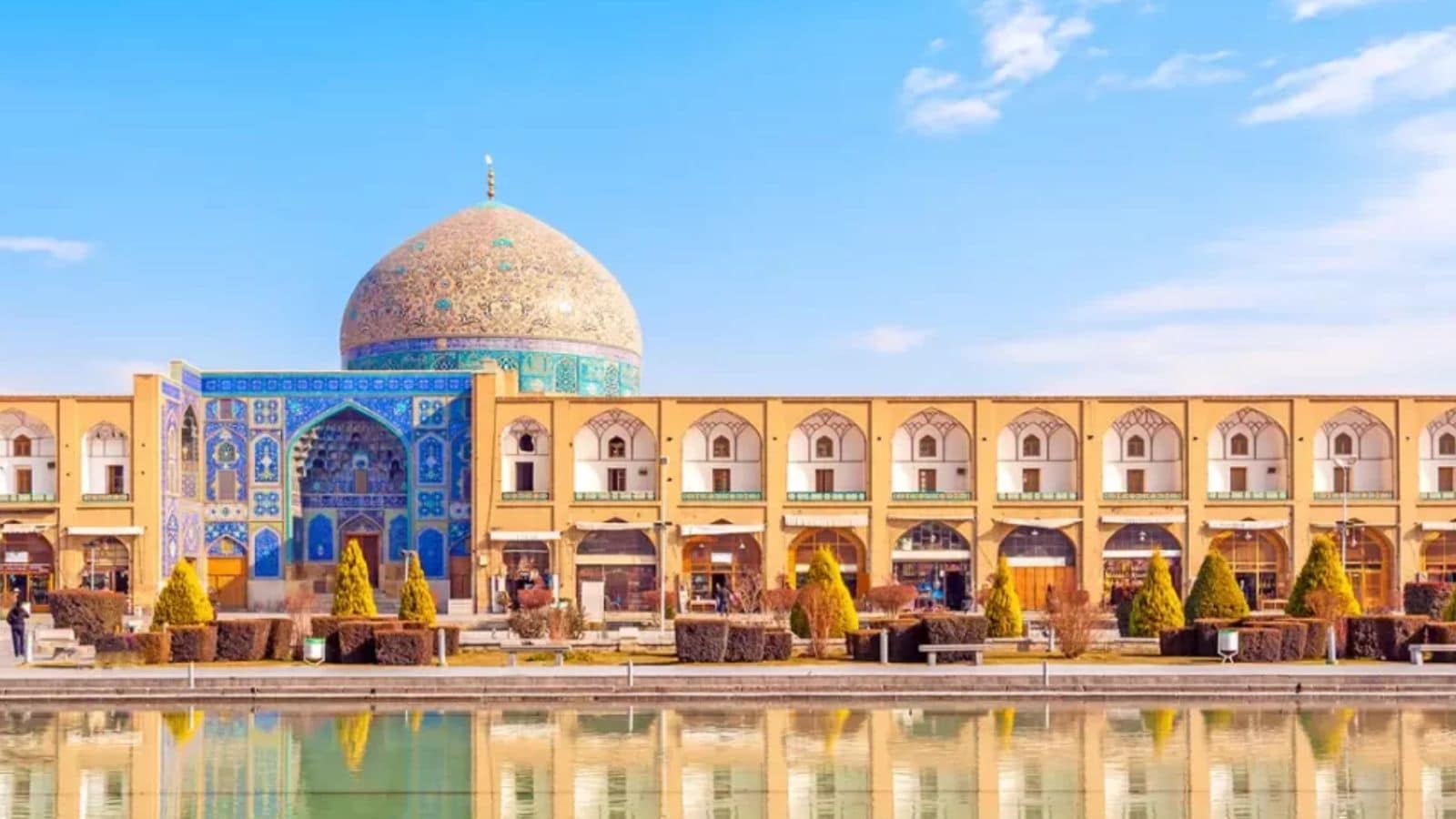
Iranians felt disconnected from the leadership despite growth and development across the country. Soon, people began protesting against corruption, brutality, the suppression of individual rights, and government extravagance. As a result of the protests, the Shah fled Iran. He left the country on January 16, 1979.
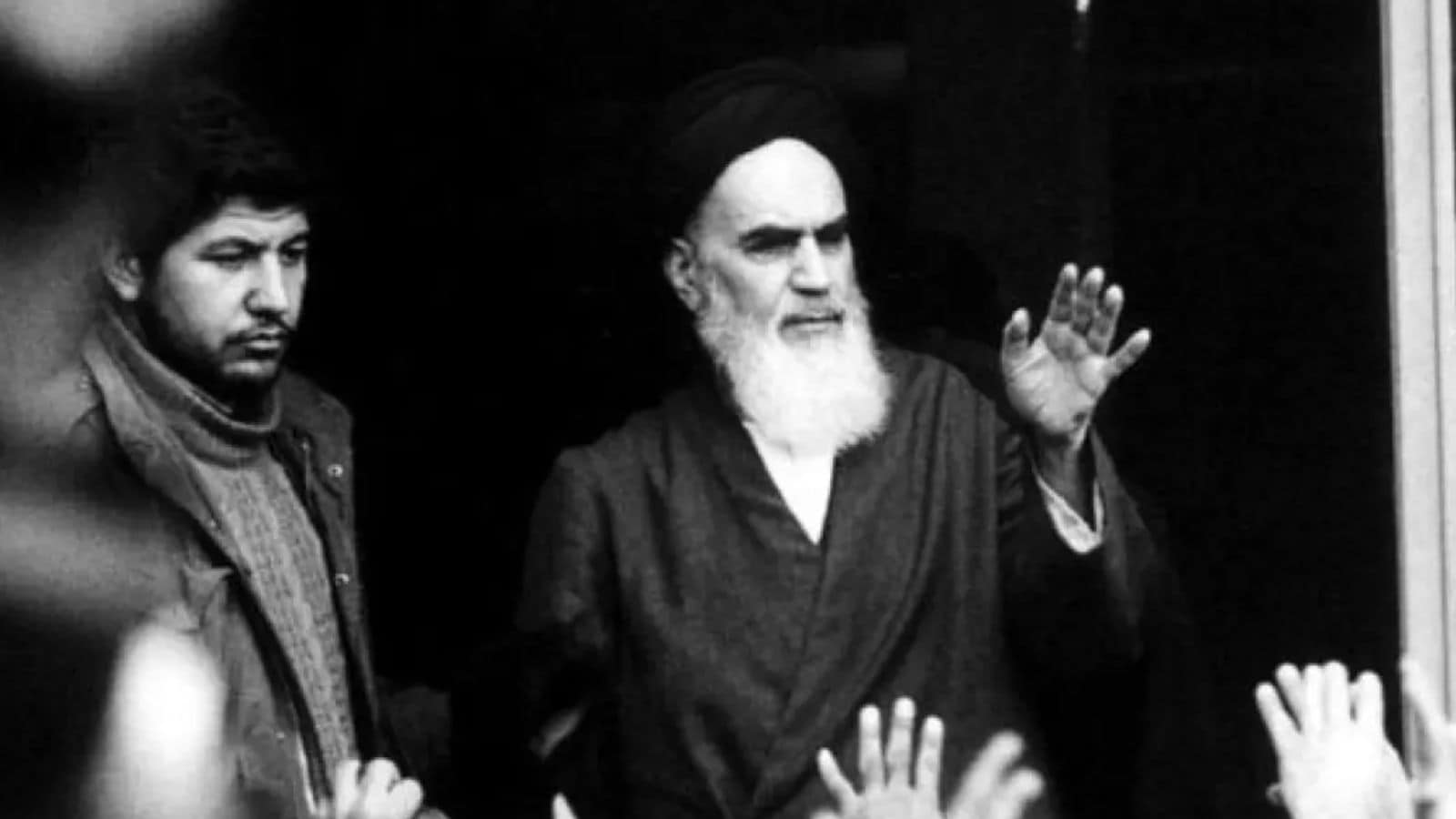
The Islamic Revolution, also called the Iranian Revolution, then took shape and gained strength under the leadership of Ruhollah Khomeini. He criticised the Shah and called for an Islamic government based on religious principles. The revolution thus culminated in the overthrow of the Pahlavi dynasty in 1979. The monarchy collapsed, and the Islamic Republic of Iran was established. Khomeini became the country’s first Supreme Leader and was then succeeded by Ayatollah Ali Khamenei.
News Photogallery world No-Veil Rules To Shah’s Wife in Dior: Pics Of Iran’s ‘Modernization’ Before Khomeini’s 1979 Islamic Overhaul





 English (US) ·